lördag 17 april 2021

Thailand banned the sale of alcoholic beverages in restaurants and closed schools for two weeks to stem the nation’s biggest outbreak of coronavirus, likely delaying plans to further reopen borders to foreign tourists. Bloomberg

Thailand Adds Curbs as New Wave Threatens Economy, Tourism

Thailand banned the sale of alcoholic beverages in restaurants and closed schools for two weeks to stem the nation's biggest outbreak of coronavirus, likely delaying plans to further reopen borders to foreign tourists.

The closure of bars, pubs, karaoke and massage parlors in areas including Bangkok, the epicenter of the latest outbreak, will be extended nationwide until the end of April. A Covid-19 task force headed by Prime Minister Prayuth Chan-Ocha on Friday also designated Bangkok and 17 other provinces as areas under maximum control because of the severity of the outbreak.

Prayuth ruled out harsher measures such as a nationwide lockdown and night curfews, citing the economic hit of such steps on low-income groups. The Southeast Asian nation had last week closed entertainment venues in Bangkok and 40 other provinces for at least two weeks to contain the nation's third wave of infections that emerged from bars in the capital city.

The latest Covid updatesMake sense of the headlines and the outbreak's global response with the Coronavirus Daily.

Under the fresh round of restrictions, restaurants in the red zones must close by 9 p.m. starting Sunday, and those in less-risky provinces by 11 p.m. The Prayuth-led panel also directed employees of government departments and agencies to work from home for the next two weeks and appealed to the private sector to do the same. The panel also banned gatherings of 50 or more people without prior approval.

Prayuth said the government was in talks with vaccine makers including Pfizer Inc. and Russia's Gamaleya Institute to secure additional supplies as it seeks to inoculate 60% of its population by the end of the year. Any fresh procurement will supplement the 73 million dozes already ordered from AstraZeneca Plc and Sinovac Biotech Ltd.

The latest control measures dampen the annual Songkran festivities, when millions of Thais travel across the country for family reunions and holidays, and weaken private consumption and domestic tourism. An extended period of restrictions may delay plans to lure vaccinated tourists and further weaken an economic recovery that the Thai central bank says is contingent on return of foreign visitors.
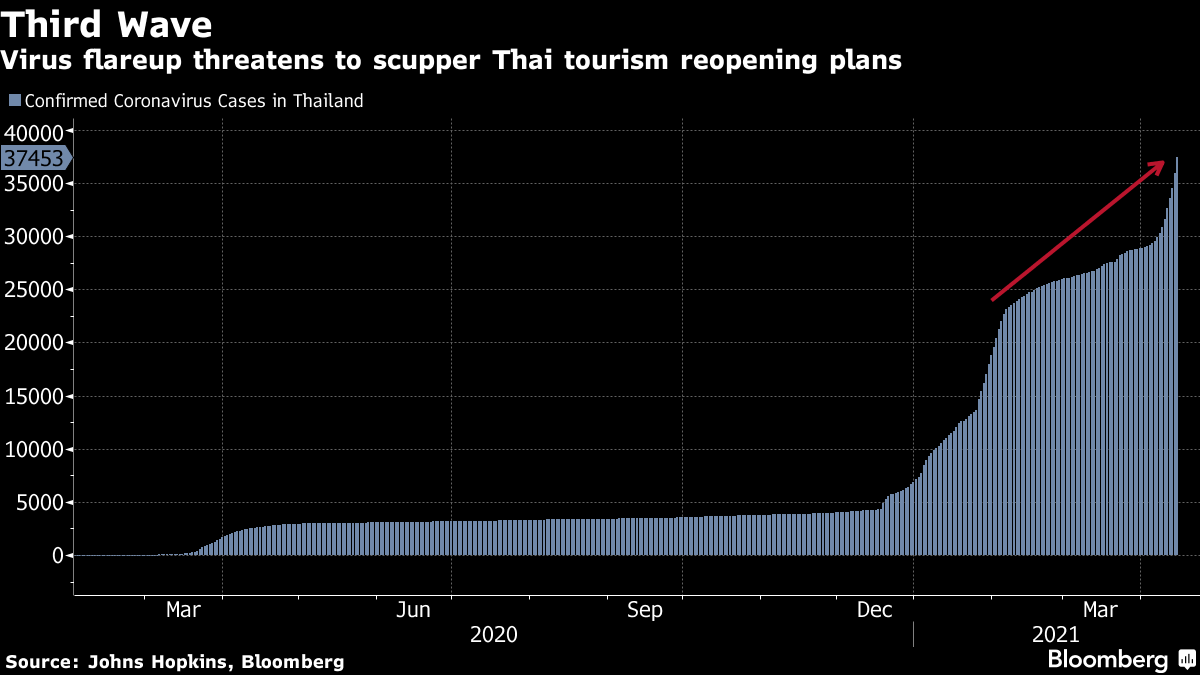
Virus flareup threatens to scupper Thai tourism reopening plans

The new measures will hurt retail and recreation activities which had returned to pre-pandemic levels in recent months and derail attempts to revive the all-important tourism industry, Moody's Analytics said in a report this week. The economy will contract 0.6% in the first quarter from the previous three months, it said, reversing an earlier forecast for 1.3% growth.

"We expect the Thai government to roll out additional stimulus to lessen the fallout from the pandemic," Eric Chiang, associate economist at Moody's Analytics, said in the report. "Thailand will face a slow economic recovery, and the government deficit will remain elevated at 4.8% in 2021 and 3.2% in 2022."

While the benchmark SET Index capped a second straight weekly loss even after gaining 0.5% on Friday, the baht strengthened 0.1% to 31.243 per U.S. dollar for its first weekly gain in nine, according to data compiled by Bloomberg.

Thailand reported 1,582 new Covid-19 cases on Friday, a single-day record, that took the cumulative tally of infections to 39,038. The new wave, which began early this month, has spread to more than 70 provinces and infected more than 10,000 people, some of them with a more contagious variant first found in the U.K. 

Recent Covid-19 outbreak from entertainment venues in Bangkok must be resolved within one month, says Thailand’s Public Health Minister - Pattaya News


Bangkok –

Public Health Minister Anutin Charnvirakul today, April 16th, said that the Ministry had laid out a framework to potentially control the current Covid-19 clusters from entertainment venues within a month, while 100 percent of healthcare workers will fully receive the Covid-19 vaccines by next week.

He stated that if the government has issued the closure of all entertainment venues while implementing the strictest health measures, the cycle of the outbreak should be ended in about one month.

However, if a new cluster was unexpectedly discovered during this time, the disease control would also be extended and require a longer period of time.

Furthermore, the Minister claimed that within the next week, the Covid-19 vaccines will completely be provided to healthcare workers nationwide to ensure confidence among Thai people and healthcare workers when performing their duties.

Regarding the lack of beds in private hospitals, Anutin revealed the government has already prepared hospital beds for emergency situations to meet the public needs. More field hospitals and hospitels (quarantine hotels) are currently in process of establishment with a sufficient number of medicines, protective equipment, and medical officials. The ministry will also give full support in order to help manage and reduce the number of infections in Thailand. 

Hur passar utlandssvenskarna in i Sveriges strategi gällande vaccinering av covid-19? Frågorna är många och nu har vi fått svar på några av dem från Sveriges Kommuner och Regioner (SKR). SVIV

 Så säger SKR om vaccinering av covid-19 för utlandssvenskar

Hur passar utlandssvenskarna in i Sveriges strategi gällande vaccinering av covid-19? Frågorna är många och nu har vi fått svar på några av dem från Sveriges Kommuner och Regioner (SKR).

Fråga 1: En utlandssvensk boendes utanför EU/EES, är hemma i Sverige och har inte fått vaccin i det land där hen är folkbokförd. Kan personen (utefter den turordning som Folkhälsomyndigheten rekommenderar) få vaccinera sig i Sverige – utan att vara folkbokförd i Sverige?

Svar från SKR: I dagsläget sker bara vaccinering av personer som omfattas av avgiftsfriheten. Svenska medborgare folkbokförda utomlands som vistas stadigvarande i Sverige omfattas av SKR:s rekommendation om avgiftsfrihet. Det går inte att vaccinera sig mot covid-19 i Sverige mot betalning. Central är följande passus på sid 2 i nedan länkade informations-PM:

Fråga 2: Om man är folkbokförd i ett land som erbjuder ett vaccin som inte är godkänt av EU, kan man som svensk medborgare resa till Sverige (utefter den turordning Folkhälsomyndigheten rekommenderar) och vaccinera sig i Sverige?

Svar från SKR: I enlighet med en överenskommelse mellan SKR och staten, rekommenderas regionerna att erbjuda alla som bor eller stadigvarande vistas i Sverige, oavsett medborgarskap, avgiftsfri vaccinering mot covid-19 i den prioritetsordning som Folkhälsomyndigheten rekommenderar. I dagsläget sker bara vaccinering av personer som omfattas av avgiftsfriheten. Det går inte att resa till Sverige och vaccinera sig mot covid-19 här mot betalning (se också svaret på fråga 1).

Fråga 3: En svensk som numera är bosatt i Frankrike har fått en första dos vaccin där. Är det möjligt för hen att få dos nummer två i Sverige och det av samma märke? I detta fall var det Astra Zeneca.

Svar från SKR: En svensk medborgare som är bosatt i Frankrike eller annat EU/EES-land och omfattas av EU:s förordning 883/2004, har rätt att vaccinera sig mot covid-19 avgiftsfritt i Sverige. Vaccinering sker dock i den prioritetsordning som Folkhälsomyndigheten rekommenderar. Vad gäller AstraZenecas vaccin, används detta nu i Sverige för att skydda personer som är 65 år eller äldre. En person som är 65 år eller äldre, omfattas av avgiftsfriheten och har fått en första dos av detta vaccin utomlands, rekommenderas därför att kontakta regionen.

Fråga 4: Hur ska utskrivna svenskar som av olika skäl befinner sig i Sverige just nu få ta del av vaccinationsprogrammet? Bland annat kan vissa sakna aktiva personnummer om de bott lång tid utomlands.

Svar från SKR: Regionerna har system för att kunna vaccinera personer utan personnummer.

Fråga 5: De svenskar som är utskrivna och bor utanför EU/EES – är det helt upp till dem att säkerställa att de får ta del av det landets vaccinationsprogram?

Svar från SKR: Ja, Sverige har inget ansvar för vaccinering utanför Sverige.

Fråga 6: Om man som utskriven svensk bor i ett land där; 
– vaccin inte är tillgängligt över huvud taget, eller;
– vaccinet enbart är tillgängligt för det landets invånare, eller;
– vaccinet som erbjuds inte är ett godkänt av EU, exempelvis Sputnik V eller det kinesiska vaccinet – har man då möjlighet att betala för sitt vaccin om man kan ta sig till Sverige?

Svar från SKR: I dagsläget sker i Sverige bara vaccinering av personer som omfattas av avgiftsfriheten. Det går inte att vaccinera sig mot covid-19 i Sverige mot betalning (se också svaret på fråga 1).

Fråga 7: Om man som utskriven svensk inte har något annat val än att vaccinera sig i ett annat land, och vaccinationen leder till svåra biverkningar några år framåt i tiden – kan då dessa svenskar räkna med ersättning/stöd från Sverige?

Svar från SKR: Eventuella biverkningar brukar som regel ge sig till känna i anslutning till eller kort efter vaccinationen. Sverige har inget ansvar för vaccinationer som utförs utanför Sverige. De möjligheter till ekonomisk ersättning som den svenska läkemedelsförsäkringen ger, gäller enbart eventuella skador som uppstått i samband med vaccinering i Sverige.

Fråga 8: Om man som utlandssvensk bosatt utanför EU, anländer till Sverige helt frisk men blir smittad här och behöver vård – räknas det då som akut vård och de får därmed kostnadsfri sjukvård som alla andra? Kan ju som bekant leda till både IVA-vård och behov av efterbehandling.

Svar från SKR: Utlandssvenskar bosatta i länder utanför EU/EES som blir akut sjuka under vistelse i Sverige ska ges öppen vård till samma avgift som här bosatta och sluten vård till den högsta slutenvårdsavgiften (för närvarande högst 100 kr per vårddag) för bosatta. En förutsättning för subventionerad akut vård till utlandssvenskar är att den söks i den region där vårdbehovet uppkom. 

Här kan du läsa tidigare inlägg i frågan: https://www.sviv.se/blog/2021/01/vaccination-for-utlandssvenskar/


The government admits it will be difficult to reach its economic growth target of 4% this year because of the latest surge of Covid-19 infections. Bangkok Post

 Government acknowledges 4% growth target is unlikely
Deputy Prime Minister Supattanapong Punmeechaow

The government admits it will be difficult to reach its economic growth target of 4% this year because of the latest surge of Covid-19 infections.

Deputy Prime Minister Supattanapong Punmeechaow said the fresh wave of infections has doomed the country's recovery, making it highly unlikely the economy will grow by 4% this year as projected by the government.

He said exports remain a bright spot and the government vows to maintain plans to roll out fresh measures to boost domestic consumption.

Mr Supattanapong said the government also aims to introduce measures to encourage cash-rich depositors to spend more to stimulate domestic consumption.

He said the government is still maintaining a plan to reopen Phuket.

In July, Phuket is expected to be the first province to waive the quarantine requirement for foreign visitors who have been vaccinated against Covid-19, as part of the government's plan to reopen the country.

"The government is working hard to control the spread of Covid-19 infections to create confidence among consumers and businesses, while implementing measures to stimulate the economy," said Mr Supattanapong.

"Thai economic growth may not reach 4% as hoped, but the government needs to keep on working. There is a little room to reach 4%, and the government will keep attempting to get close to the target."

He said the government also remains committed to continuing planned infrastructure development and stimulating government expenditure, which are likely the main contributors to the Thai economy this year.

A source from the Finance Ministry who requested anonymity said later this month the Fiscal Policy Office (FPO) is scheduled to reassess its economic growth forecast for 2021.

In January, the FPO slashed the country's economic growth forecast to 2.8%, down from a forecast of 4.5% made in October 2020.

The economy contracted by 6.5% in 2020.

The lower growth projection was attributed to an expected decrease in foreign tourist arrivals given the second wave of coronavirus outbreaks since last year.

The FPO forecasts full-year foreign tourist arrivals at 5 million this year, down from 8 million in its previous projection.

Private consumption is expected to recover to growth of 2.5% this year from a 0.9% contraction in 2020, with private investment rising by 3.4% this year against an 8.9% fall last year.

Merchandise exports are set to grow 6.2% this year from a 6.6% contraction in 2020.

"Thailand's economic growth this year depends largely on the arrival of foreign tourists and the government's nationwide inoculation plans reaching their targets by September this year," the source said.


The government has insisted it has at least 300 billion baht available in funds to fight a fresh Covid-19 outbreak. Bangkok Post

State promises B300bn 'enough' to fight outbreak
A healthcare worker takes a nasal swab to test for Covid-19.

The government has insisted it has at least 300 billion baht available in funds to fight a fresh Covid-19 outbreak.

Dechapiwat Na Songkhla, the Budget Bureau's director, said the 300 billion baht available to fend off a fresh round of infections stems from the fiscal 2021 budget, of which 40 billion was set aside as the central budget.

Of the 40 billion baht in the central budget, 20 billion has been allocated for vaccines, rewarding healthcare-related personnel and building field hospitals. The balance can be used to fight the fresh round of infections, he said.

"We still believe the budget we've reserved is enough to manage the new outbreak if it does not spread nationwide," said Mr Dechapiwat.

He said the government has spent only 4 billion baht on human resources and swab tests during the second wave.

According to Mr Dechapiwat, the government still has another chunk of the budget in the Annual Expenditure Budget Act for 2021, or the central budget in case of an emergency, which has been set at 99 billion baht for use in the event of a natural disaster.

Spending for an emergency situation is estimated at 50 billion baht if there are no serious natural disasters. The remaining 40 billion baht can be redirected as additional spending to fight a third wave, he said.

In addition, the government still has more than 200 billion baht left from the 1-trillion-baht loan decree aimed at rehabilitating and stimulating the economy after the pandemic, said Mr Dechapiwat.

"Once such budgets are combined in fiscal 2021, the government will have a total of 260 billion baht in fiscal 2021 to cope with Covid-19," he said.

Although the 260 billion baht is to be disbursed by September (the last month of fiscal 2021), the government is eligible to extend the spending period in case of necessity, said Mr Dechapiwat.

More importantly, in the fiscal 2022 expenditure budget scheduled to kick off in October this year, a central budget for emergencies is set at 89 billion baht, even though spending in such cases is estimated at 30-40 billion if there are no serious natural disasters, he said.

"In the event of a serious rise in infections and additional budget requirement, the government can review the budget through an ad hoc committee and propose to cut the annual investment budget for new projects worth 30-40 billion baht to tackle the impact of Covid-19 instead," said Mr Dechapiwat.

The ad hoc committee is scheduled to vet the 2022 budget appropriation bill between May and July.

Krisada Chinavicharana, permanent secretary for finance, said the ministry is evaluating the impact of the new round of infections before it comes up with any additional relief measures.

However, he said the key factor is how effectively the government can prevent the spread of the outbreak.

The government still has an estimated 250 billion baht left from the 1-trillion-baht loan decree that could be used to help the economy, said Mr Krisada.

The Tourism and Sports Ministry needs to reset the timeline for the Phuket sandbox because the province may not have enough vaccine doses following the new nationwide spread of the virus. Bangkok Post

Phuket sandbox timeline to be reset
Beach chairs lie empty on the resort island of Phuket in January. (Photo by Achadthaya Chuenniran)

The Tourism and Sports Ministry needs to reset the timeline for the Phuket sandbox because the province may not have enough vaccine doses following the new nationwide spread of the virus.

Tourism and Sports Minister Phiphat Ratchakitprakarn said next week the ministry plans to meet with all related agencies to discuss the reopening plan, previously set for July 1 this year, which needs a major revamp due to the spike in new daily infections.

The key determinant is insufficient vaccines for pilot destinations, said Mr Phiphat. Prior to the third wave, Phuket already secured more than 100,000 doses and is poised to get additional doses of around 930,000 for 70% of the population to achieve herd immunity by June.

But the spike in Covid-19 cases in many places has interrupted that plan, as a limited number of vaccines must also be distributed to other provinces, making it difficult to allocate a large lot to just one province.

"We are concerned about the reopening timeline. We still need to discuss the vaccine administration plan. If the herd immunity goal cannot be achieved, we may have to consider opening only certain areas in Phuket," he said.

However, to continue with the same plan, even with restricted zones, will not be easy as long as the country still has increasing new daily infections, said Mr Phiphat.

"Most importantly, we still have to hear from other countries that we already started travel bubble negotiations with about their confidence regarding the same timeline," he said.

The outlook for tourism receipts this year might need to be adjusted again as domestic tourism was affected by the outbreak, said Mr Phiphat.

He said the meeting next week should offer a clearer scenario, with the private sector shedding light on the setting after the Songkran holidays this week.

Hotels in the North reported cancellations of more than 70% as a virus epicentre was located in Chiang Mai.

Prior the pandemic, the province was a top destination to celebrate Thai New Year.

Mr Phiphat, also in quarantine after having close contact with Transport Minister Saksayam Chidchob, who was diagnosed with Covid-19, said he will be ready to take a third swab test next week when he completes his isolation period.

He plans to hold a meeting at the ministry as soon as the results are clear.

Mr Phiphat already received a first dose of AstraZeneca on March 16.


TIGHTENING UP - Bangkok Post


fredag 16 april 2021

PRD : New Nationwide Measures


Breaking News

breaking news banner V2.png


Thailand's Center for COVID-19 Situation Administration (CCSA) on Friday announced a series of new measures aimed at limiting the spread of the coronavirus.


The measures, many of which were already reported earlier, confirms that 18 provinces are now declared 'red zone' or highest control zones.


All other provinces are now 'orange zones' or high control zones.


According to CCSA spokesperson Dr Taweesilp Visanuyothin no province is in lockdown and no curfew has been ordered, despite erroneous reports in Thai media. 


However, provincial governors have been given the power to authorise curfews if the situation in their province worsens.


Some of the measures introduced for red zone  provinces include:


  • All bars, pubs, karaoke and entertainment venues closed
  • Restaurants must close by 9pm, no alcohol can be served
  • Restaurants can offer takeaway until 11pm
  • Shopping malls must close by 9pm
  • Convenience stores/supermarkets must close from 11pm to 4am
  • Schools and educational institutions closed
  • Events with more than 50 attendees not allowed
  • Amusement parks closed
  • Children's play areas in malls closed
  • Gyms and fitness centres must close by 9pm


Some of the measures introduced for orange zone provinces include:


  • Mostly the same as above
  • Restaurants must close by 11pm, no alcohol can be served
  • Shopping malls must close by 9pm
  • Convenience stores/supermarkets must close from 11pm to 4am
  • Schools and educational institutions closed
  • Events with more than 50 attendees not allowed
  • Amusement parks closed
  • Children's play areas in malls closed
  • Gyms and fitness centres must close by 9pm


Provinces declared 'red zones':


Bangkok, Chiang Mai, Chonburi, Samut Prakan, Prachuap Khiri Khan, Samut Sakhon, Pathum Thani, Nakhon Pathom, Phuket, Nakhon Ratchasima, Nonthaburi, Songkhla, Tak, Udon Thani, Suphanburi, Sa Kaeo, Rayong and Khon Kaen.


Provinces declared 'orange zones':


All other provinces


Travel is strongly discouraged but not prohibited. People are urged to work from home where  possible. 


The new measures come into effect on 00:01 on Sunday until the 30 April 2021.


This is a developing news story. This post will be updated without warning


logo.thumb.jpg.58700f12f9218149b3e2f82126b72e4d.jpg 

Hotels urged to become temporary 'hospitels' - The Nation


Marisa Sukosol Nunbhakdi

Marisa Sukosol Nunbhakdi

By THE NATION

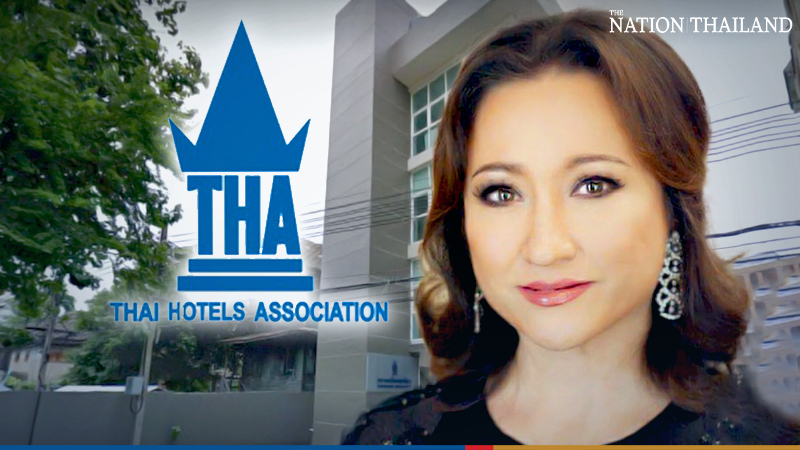
The Thai Hotels Association (THA) is inviting its members to become "hospitels" by turning their hotels into temporary hospitals to treat Covid-19 patients, association president Marisa Sukosol Nunbhakdi said on Thursday.

"The move aims to reduce crowdedness at hospitals and promote continuous care for Covid-19 patients after new cases increased rapidly since late March," she said.

The Ministry of Public Health has set the following guidelines for hotels that wish to join the programme:

• Must have more than 30 rooms

• Pass the ASQ (alternative state quarantine) evaluation

• Must have evidence of acknowledgement by surrounding communities

• Must have one nurse for 20 patients, one IC (infection control) nurse, one doctor, one pharmacist, one radiologist and one clinical psychologist

• Must have a digital thermometer and pulse oximeter for each patient, and a portable x-ray

• Can take care of patients who have been hospitalised for 5-7 days and display no progression of symptoms

• Patients must agree to stay at the hotel and can take care of themselves

"Hotels that pass the criteria will be visited by staff from public or private hospitals, such as Phyathai Hospital, Paolo Hospital, BDMS Hospital to provide necessary advice," Marisa added.

Dr Thares Karasnairaviwong, director-general of the Department of Health Services Support, added that currently 23 hotels are registered with the department to take care of Covid-19 patients, with combined capacity of 4,900 beds, while almost 2,000 patients are now being treated at these hotels. 


Former politician and night club heavyweight Chuwit Kamonwisit has once again rattled the government's cage about the sex industry. -Thai Visa


Thailand's sex trade: A million women in it and it's bigger than the drug trade, says Chuwit

10pm.jpgFormer politician and night club heavyweight Chuwit Kamonwisit has once again rattled the government's cage about the sex industry.

In a series of claims on his personal Facebook page he asked what the government planned to do about the trade. His comments come after he called out government ministers who allegedly helped to spread Covid at hi-so clubs in Bangkok.

Chuwit pulled no punches about his assessment of sex for sale in Thailand. They are in stark contrast to an up country police chief who claimed a couple of years ago there was no sex industry.

Earlier tourism minister Kobkarn Wattanavrangkul tried to start a campaign to end it, perhaps not realizing the extent of the task. She failed totally and was replaced by others who made no such attempts. 

Chuwit said that there were a million women in the sex trade and it was financially bigger than illegal drugs.

He said that ten or more years ago he had gone back to Thammasat University to do a master's degree and wrote a paper on the commercial sex business.

None of his professors argued with his claims in the paper, he said, because he knew what he was talking about far better than them.

Sex for sale in Thailand was everywhere he said. He listed:

Pubs, bars, beer bars, karaoke, Go-Go bars, lounges, soapy massage (ab ob nuat), traditional massage, fake spas, hotels, resorts, cafes, restaurants, barbers/salons acting as fronts for the business, girls on the end of the phone. These days there were "sideline girls" (those engaging in sex to pay for their studies or lifestyle in other areas) and pretties. 

He apologized if any of these were legitimately working outside the sex industry rather than just offering sex. 

He listed others that keep the nighttime entertainment business going and live from it such as waitresses and waiters, kitchen staff, salon workers, drivers, guides,cashiers, mamasans, taxi drivers, restaurants, shops, alcohol providers and the like.

Many of these were in the "grey zone" of the economy, not paying tax and not registered for social security. 

He said that poor education was no obstacle to entering the sex trade and that for a woman aged 18-25 this was their "golden years" with some in top end Bangkok clubs able to earn 100,000 baht a month. 

After 26 things started to go downhill for many women, he said.

He further claimed that there were 100,000 underage prostitutes in Thailand (under 18) who lied about their age. 

When prostitutes were over 30 they went to sell themselves in Pattaya and Phuket or other places where there was a big sex industry. 

Some went abroad to work in casinos or Thai massage in Asia, Europe or the US. 

In Thailand the sex industry continues to grow and grow and these days there are beer promotion women, pretties, "Ent" girls, Pheuan Kin Khao (friends to eat with) and "girlfriends for rent" swellling the prostitute ranks. 

He asked, are the government to have a clear policy on youth entering the trade or are they just going to support it?

Chuwit said it was a multi 100 billion baht industry that eclipsed even the trade in illegal drugs. 

It continues to prosper and enlarge, he claimed, and welcomed young women "with open arms".

That include women from Myanmar, Laos, Cambodia, Karen people and Chinese. 

It's all there in my paper at the uni he said, if you care to read it. 

His remarks were reported by Thai media Naew Na.

logo.thumb.jpg.58700f12f9218149b3e2f82126b72e4d.jpg

PHUKET: Cherng Talay remains the only subdistrict on the island that has yet to record a confirmed infection of COVID-19 during the current outbreak - Phuket News

Last Tambon Standing: Cherng Talay yet to record COVID-19 infection in current Phuket outbreak

, according to the latest map of infection locations released by the Phuket Provincial Public Health Office (PPHO) today.

COVID-19Coronavirushealth
By The Phuket News

Friday 16 April 2021, 10:24AM


The PPHO map showing the tally of infections in subdistricts across Phuket. Image: PPHO

The PPHO map showing the tally of infections in subdistricts across Phuket. Image: PPHO

Although the infections map was released this morning (Apr 16), it is marked as accurate as of yesterday (Apr 15) and marks only 112 cases of infection across the island.

Phuket Governor Narong Woonciew has already confirmed that the number of confirmed infections on the island has risen to 142.

According to the report, Cherng Talay is the only subdistrict on the island that remains free from any COVID-19 infections.

The map shows the number of infections in each subdistrict in Phuket as follows:

Patong - 13 cases

Kathu -  12

Kamala - 11

Wichit -  13

Chalong - 6

Karon - 3

Rawai - 11

Talad Yai Phuket Town - 11

Talad Neua Phuket Town - 2

Rassada - 9

Kow Kaew - 6

Srisoonthorn - 2

Pa Khlok - 2

Thepkrasattri - 5

Sakhu - 3

Mai Khao - 3

Cherng Talay - 0


103 cases of Covid-19 added in Chonburi today says Public Health Department - Pattaya News


Chonburi, Thailand-

The Chonburi Department of Public Health announced this morning that the province, which includes popular tourist resort Pattaya City, had 103 new and confirmed cases of Covid-19 today.

This is roughly the same level of cases found for the past five days, notes The Pattaya News, as thousands of people are tested locally daily. The tests are a combination of proactive testing of employees of entertainment venues in the area as well as contact tracing from previous patients.

The district level of cases were: Mueang Chonburi 8, Si Racha 12, Banglamung (Pattaya area) 47, Sattahip 3, Pan Thong 2, Bor Thong 2, 29 from other provinces brought here for treatment. 

Eight people in total have recovered and gone home from 910 current cases. 902 people remain under medical observation. In Thailand, Covid-19 positive people must stay in a hospital, field hospital, or quarantine center and cannot self isolate or stay at home even if they are asymptomatic or have mild symptoms. Banglamung Hospital stated earlier this week they were mostly full and moving new patients who were not serious to field hospitals in the area, where dozens of people stay in the same barracks style hospital. Pattaya City Hospital, however, stated they have rooms available for those who need medical care.

The details released on the cases were as follows:

1.1 Bone Pattaya 2 cases
1.2 Cetus club pattaya 1 case
1.3 Friend Zone, Rayong 1 person
1.4 Infinity Si Racha 1 person
1.5 New Version Pub 1 person
1.6 Replay Bang Saen 1 person
1.7 The Box 69 Club Pattaya 1 person
1.8 The Garden168 3 people
1.9 Other entertainment venues in Pattaya, 14 cases
1.10 Other entertainment venues in Mueang Chon Buri 1 case
1.11 Entertainment places in Bangkok, 1 case

  1. The close contact persons and family members of Covid-19 cases 19 people
  2. 1 medical personnel
  3. In the process of investigation, 56 cases

In the last few day, a total of 91 close contacts were searched, and 682 more proactive searches, which are all awaiting results. 

Meanwhile, the Center for Covid-19 Situation Administration or CCSA is set to meet this afternoon to possibly decide on further restrictions for several provinces, including Chonburi.

According to the Public Health Department the vast majority of cases in Chonburi are 18-29 year olds and are over 90 percent asymptomatic, with the remainder of cases nearly entirely mild. This is due to the majority of those infected being young and healthy, according to medical staff, and the current clusters primarily based in and around entertainment venues like bars and clubs.

Residents of Chonburi are being asked to work from home, avoid crowded areas, wear a mask when going outside, and follow other Covid-19 precautions.

Covid UPDATE: 1,582 new infections announced, more restrictions on the way | Thaiger


Covid UPDATE: 1,582 new infections announced, more restrictions on the way

Today the CCSA announced 1,582 new Covid infections across Thailand in the past 24 hours. The small increase on yesterdays total will provide the CCSA with the information they need for this afternoon's scheduled meeting, chaired by the Thai PM. It is expected that they will announce new restrictions but are unlikely to go for total lockdowns of provinces or 'at risk' districts. The Thaiger will bring this information to you ASAP after it is announced.

Here is the list of the current 18 red zone provinces which could have their restrictions raised at this afternoon's meeting of the CCSA. Read more HERE.

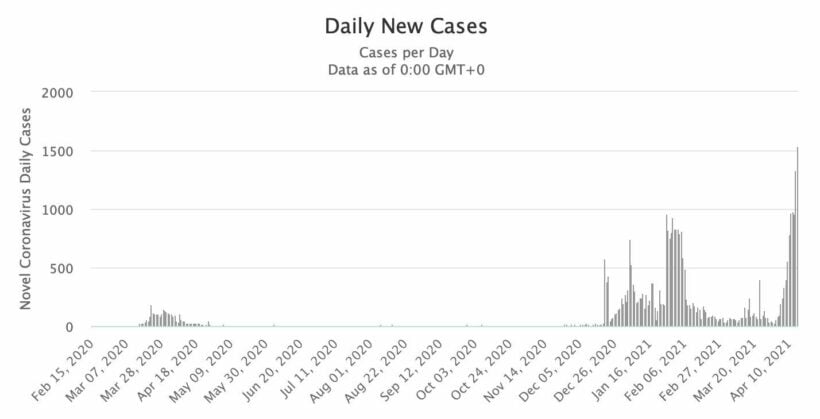
Since April 1 there has been a steady growth of new infections, described as the third wave in Thai media – much higher than the number of daily infections in the first and second waves.

During Songkran the case numbers have been…

April 13 – 965

April 14 – 1,335

April 15 – 1,543

April 16 – 1,582

67 people are currently reported to be in a "serious condition" relating to their Covid status.

Thailand's trajectory of daily new cases greatly exceeds the last surge that featured clusters around Samut Sakhon's coastal fish markets and Rayong gambling dens which started on December 20 last year.

Covid UPDATE: 1,582 new infections announced, more restrictions on the way | News by ThaigerAround the world there is a new surge since substantial drops at the start of this year, in both daily infections and deaths. The number of deaths will exceed 3 million, worldwide, today, since the start of the pandemic.
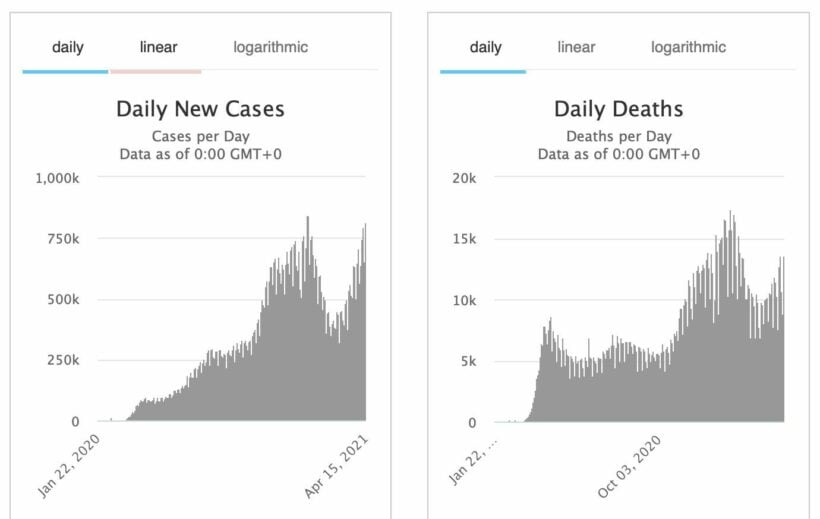
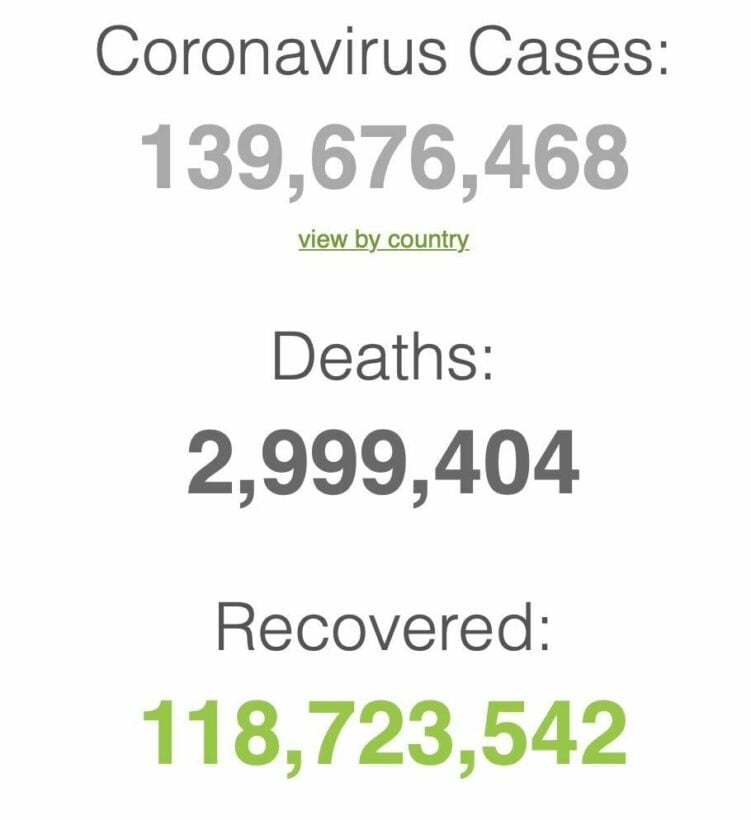
Covid UPDATE: 1,582 new infections announced, more restrictions on the way | News by Thaiger

Covid UPDATE: 1,582 new infections announced, more restrictions on the way | News by Thaiger

SOURCE: Worldometers.info


Nation will use AstraZeneca, despite blood-clot fears -Bangkok Post

Nation will use AstraZeneca, despite blood-clot fears
Prime Minister Prayut Chan-o-cha shows a vial of AstraZeneca vaccine before being inoculation against Covid-19 at Government House in Bangkok on March 16. (Government House photo)

The AstraZeneca vaccine will be the mainstay for the state's Covid-19 vaccination programme, Public Health Minister Anutin Charnvirakul says.

"There are many factors for each country whether to use or not use the vaccine," Mr Anutin said. "But we have expertise to closely monitor the vaccine information.

"We base decisions on scientific knowledge, not news. If something happens, we will let the public know. Please do not worry about it."

Thailand has relied on using 71 million doses of the AstraZeneca vaccine and two million doses of CoronaVac developed by China-based Sinovac Biotech to inoculate about 35 million people or 50% of the population. The ministry will start the Covid-19 jab rollout this June and aims to have 50% of the population immunised by the end of this year.

However, the authority is struggling to deal with trust and fear following unfavourable news about the risk of blood clots. Denmark this week became the first country to stop using AstraZeneca's Covid-19 vaccine altogether, as European officials investigate dozens of reports of very rare blood clots combined with low platelet counts that have arisen in the bloc, as well as Britain.

The WHO along with Britain and the European Medicines Agency continues to recommend AstraZeneca's shot on the grounds that its benefits outweigh any risks.

Meanwhile, in England, the vaccine is the main staple for the country's inoculation effort to create herd immunity. Mr Anutin said the UK could see Covid cases drop substantially. Some believe the country has already created herd immunity.

The ministry, he said, set a goal to inoculate all medical staff within one month using part of one million doses of Sinovac Biotech, which is expected to arrive in Thailand next week. The vaccine will mostly be given to medical staff and essential front-line workers and volunteers nationwide.

As of now, Thai authorities have administered 581,308 doses from both brands to about 290,000 people. Two people -- one a senior monk with chronic heart disease and a 41-year-old man also with coronary problems -- died after getting shots. The ministry ruled out any link to the vaccines.

Tares Krassanairawiwong, director-general of the Department of Health Service Support, said on Thursday over 3,700 out of 6,525 beds reserved to accommodate Covid-19 patients have been occupied.

Suitable and vacant hotels are being contacted to serve as hospitals that will accommodate patients with mild and improving symptoms. So far, 23 hotels with a capacity of 4,900 beds have joined and 2,000 beds have been occupied.

FRIDAY UPDATE: There will be the usual press briefing by the Ministry of Public Health at 11:30am this morning. Then at 1:30pm, the prime minister will chair a CCSA meeting to discuss bringing in more restrictions. This will be followed at 4:00pm by a briefing in Thai and English. Richard Barrow


  FRIDAY UPDATE: There will be the usual press briefing by the Ministry of Public Health at 11:30am this morning. Then at 1:30pm, the prime minister will chair a CCSA meeting to discuss bringing in more restrictions. This will be followed at 4:00pm by a briefing in Thai and English. 


Fem gange om ugen til Bangkok via Warszawa. LOT Polish Airlines lancerer endnu en ny langdistancerute, og denne gang til Bangkok. Ruten, der åbner i efteråret 2026, får fem ugentlige afgange fra Warszawa. check-in.dk

FLER MÖJLIGHETER ATT TA SIG TILL BANGKOK ✈️👍✈️👍 Fem gange om ugen til Bangkok via Warszawa LOT Polish Airlines lancerer endnu en ny langd...