söndag 27 oktober 2024

Bangkok Post - All eyes on traffic plan. The Transport Ministry's proposal to introduce congestion charges on motorists using busy roads in Bangkok has reignited intense debate. This initiative aims to tackle traffic woes by encouraging drivers to leave their cars at home and use public transport.

All eyes on traffic plan
Vehicles wait at a traffic light at the Asok intersection in Bangkok on Oct 19. (Photo: Nutthawat Wichieanbut)
Vehicles wait at a traffic light at the Asok intersection in Bangkok on Oct 19. (Photo: Nutthawat Wichieanbut) 

The Transport Ministry's proposal to introduce congestion charges on motorists using busy roads in Bangkok has reignited intense debate.

This initiative aims to tackle traffic woes by encouraging drivers to leave their cars at home and use public transport. The fees will help fund a 20-baht flat-rate fare for the city's electric trains, making them more affordable and accessible. The ministry plans to spend six to 12 months studying the proposal's feasibility.

The Bangkok Post spoke to the Office of Transport and Traffic Policy and Planning (OTP), experts in urban planning and consumer rights, police, and road users to explore whether the measure can ease traffic snarl-ups as hoped, and whether the capital's mass transit system is sufficiently developed to support the shift.

Data for study

The OTP's director-general, Panya Chupanich, said a pre-feasibility study was conducted from 2019 to 2022 in collaboration with the German development agency GIZ.

With support from the UK Pact (Partnering for Accelerated Climate Transitions), a consultant is being selected to continue the study. The consultant will be named in December, and a full study is expected to be completed within two years.

Mr Panya said the study is designated for inner city areas covering 107 square kilometres, including parts of Klong Toey, Phaya Thai, Dusit, Din Daeng and Sathon.

The study will evaluate if imposing a fee, estimated at 45-50 baht, can reduce the number of private vehicles and identify the most likely to benefit. Cameras will be installed in designated zones to record licence plate numbers.

He also provided the daily traffic volumes of private cars at six major intersections: 83,368 at the Sathon-Narathiwat intersection, 68,473 at Pratunam, 62,453 at Pathumwan, 62,453 at Silom-Narathiwat, 60,112 at Phetchaburi-Thong Lor; and 56,235 at Ratchaprasong.

Mr Panya said congestion fees have been imposed in several cities worldwide, including London, where they were initially criticised before becoming widely accepted. Milan has introduced measures to control the number of cars and combat air pollution.

"We'll first target the areas accessed by the electric train system so they have alternatives. The revenue will also support feeder services, such as buses and song thaews, not just electric trains," he said.

Mr Panya said those living in the designated areas may receive discounts or not have to pay the congestion fees.

Learning from success

Assoc Prof Panit Pujinda, head of the Department of Urban and Regional Planning of Chulalongkorn University, said the measure is in place in major cities worldwide, where modest fees are charged, and the objectives are clear: easing traffic congestion and tackling pollution.

New York City has studied this approach and is preparing to implement it. The aim is to collect revenue to improve the city's century-old subway system.

Singapore, meanwhile, intends to tackle traffic gridlock by setting clear traffic flow targets. Data is collected for assessment every six months, and if traffic flow stays within the target range, the current fee rate will be maintained.

He said the Transport Ministry's objective differs from that of other countries because it aims to use congestion charging mainly to subsidise mass transit fares, not to reduce traffic congestion or air pollution, which are secondary benefits.

However, he pointed out this approach might not be practical because Thai commuters face the "first-mile and last-mile issue". As a result, the time and money people spend are not solely on the electric train system.

"They use motorcycle taxis or taxis to get from home to access public transport. The government should spend the congestion fees on developing the feeder system and make it cheaper," he said.

Assoc Prof Panit said congestion fees are often used as a last resort in many countries, implemented after other measures have been tried and failed, such as collecting windfall taxes or raising money from commercial development around train stations.

He suggested the government take it step by step, first promoting commercial development around train stations and collecting windfall taxes from those who benefit from this development.

If this generates insufficient funds to subsidise the 20-baht flat rate fares, the congestion charges should then be considered and allocated toward improving the feeder systems as well, he said.

Importance of feeders

Saree Aongsomwang, secretary-general of the Thailand Consumer Council (TCC), said the government should first improve bus services so they can better serve as the primary feeder for the electric train system.

Public bus services are insufficient, she said, adding funds worth 34 billion baht earmarked for the second phase of the expressway should be allocated to support bus services.

She said bus routes should be redesigned to connect with the electric train systems, and passenger vans and song thaews can also be used to support the feeder network.

Ms Saree also stressed the need to develop an urban plan alongside a comprehensive public transport system.

"Bangkok should spend the revenue from vehicle registration taxes to fund free bus services. More than 50% of people might leave their cars at home and use the rail system if this materialises," she said.

Regarding the government's plan to buy back electric train systems, she said the government should examine financial and maintenance records to assess costs and ensure transparency in the buyback process.

"Otherwise, the public may perceive the government is using their tax money to help those operators who are running at a loss," she said.

Ms Saree said the government must show how its actions contribute to addressing the climate change issues that have wreaked havoc in various regions. This will raise awareness and encourage people to reduce their car use.

She said that last year, around 10 million people fell ill due to PM 2.5 ultrafine dust pollution, costing the government approximately 7 billion baht for healthcare. "This cycle will repeat itself yearly [unless meaningful actions are taken]," she said.

'Motorists willing to pay'

Pol Col Jirakrit Charonpat, deputy commander of the Traffic Division, said congestion fees will likely not deter people from using cars if they remain the most convenient option for commuting.

Mass transit systems are often overcrowded during rush hours, and the weather plays a key role in people's decision to use public transport, especially when it involves walking in hot and humid conditions, he said.

Pol Col Jirakrit said it remains unclear how the fees will be collected and what impact they will have on residents and motorists who regularly travel through those areas.

What works in other countries may not work here due to various factors. However, he said traffic police are ready to help implement the government policy, and if public transport services are improved, more people will choose public transport over driving.

Voices of motorists

Chor Sua-klin, a 45-year-old taxi driver, said the measure is unlikely to make a difference because there will always be those willing to pay if they believe it is worth it.

He disagreed with the measure because it would affect his job. He believes passengers would use taxi services less frequently if required to pay a congestion fee.

A more effective approach might be to limit the age of vehicles allowed in inner-city areas. Older cars contribute to traffic jams when they break down, and this method would also reduce the number of cars entering the city.

Worawit Prungpaopan, a 42-year-old office worker, agreed there are those willing to pay for convenience.

"It isn't convenient to walk on the footpaths in this weather or to use public transport, which still does not cover all areas," he said.

However, he said he was sceptical about whether the congestion fees would improve public transport services.

Ploypapas Siwatjirakit, a 45-year-old business owner, said the introduction of congestion fees will increase business costs, which will inevitably hit consumers if these costs rise.

Ms Ploypapas said the city's public transport systems need improvement, whether in terms of routes, efficiency of services or safety. Even the electric train systems can't accommodate passengers during rush hours.

"The public needs to prepare if this measure is to be implemented. If we follow the example from developed countries, we must also consider the cost of living and the educational backgrounds of our people," she said.

Panya: Feasibility studies ongoing

Panit: Charges common in big cities around the world

Saree: Public transport must be improved first

Jirakrit: Congestion charge unlikely to deter drivers


lördag 26 oktober 2024

Thai Airways winter flight schedule from October 27th.


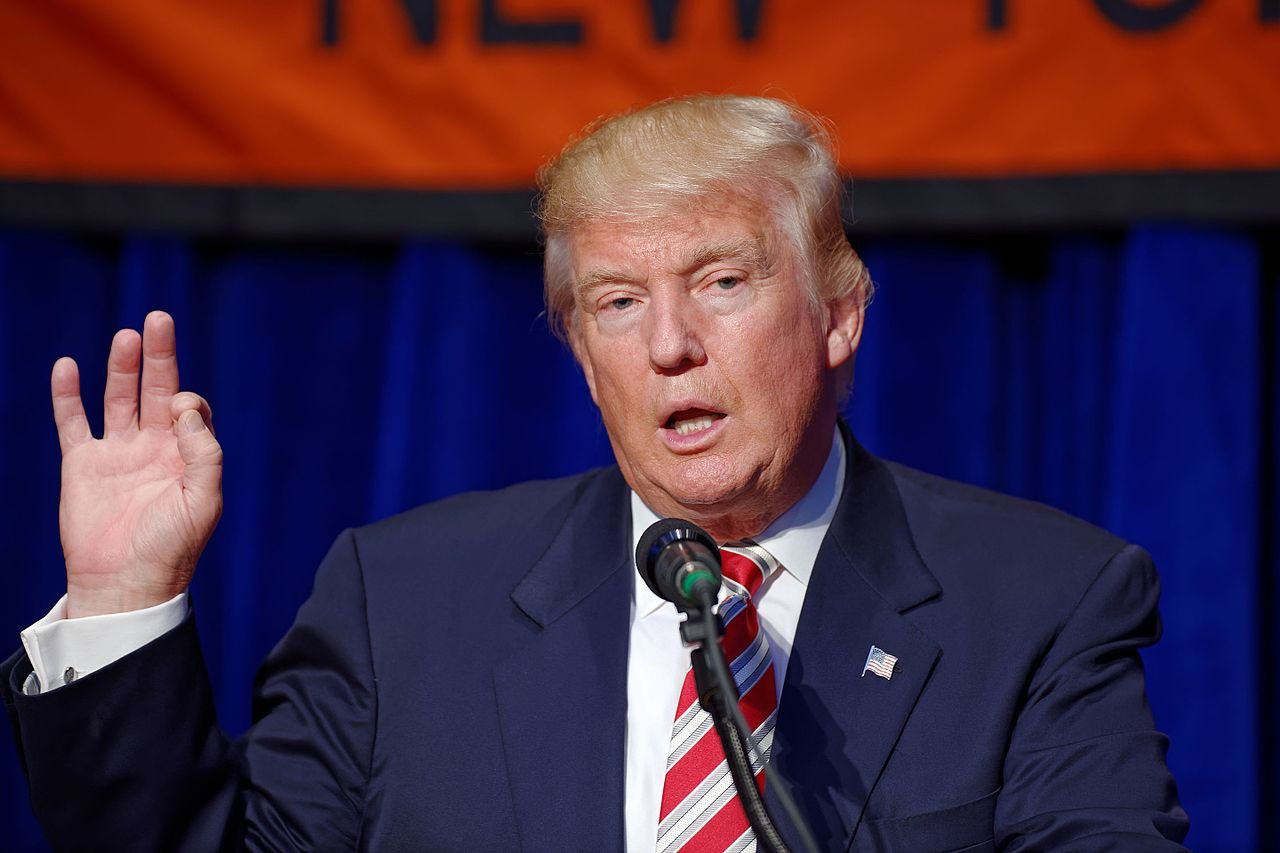
Analysts Predict Baht Decline if Trump Wins US Presidency. Thailand's baht is expected to depreciate further amid continuing capital outflows leading up to the US presidential election next month. Kasikorn Research Centre (K-Research) forecasts that if Republican candidate Donald Trump secures victory, the baht could potentially trade below 34.50 against the dollar. ASEAN NOW


File photo courtesy: Wikipedia


Thailand's baht is expected to depreciate further amid continuing capital outflows leading up to the US presidential election next month. Kasikorn Research Centre (K-Research) forecasts that if Republican candidate Donald Trump secures victory, the baht could potentially trade below 34.50 against the dollar.


The baht recently fell to 33.84 against the dollar, marking its lowest level in over six weeks. This comes as other regional currencies also weakened, impacted by stronger US dollar performance.


Kanjana Chockpisansin, K-Research's head of research for banking and financial sectors, explained that outflows from Thailand's stock and bond markets are occurring, bolstered by the dollar's strength due to rising US bond yields. The US Federal Reserve has indicated a gradual interest rate cut, further supporting the dollar.


On Wednesday, US 10-year Treasury yields peaked at 4.26%, the highest since late July, fueled by concerns over bond market pressures linked to a contentious November election.


"If Mr. Trump wins, the potential increase in government spending or borrowing could complicate US inflation reduction efforts, impacting the Fed's rate cut path," noted Kanjana. Such dynamics bolster the dollar, affecting Asian currencies like the yuan.


Despite these factors, K-Research continues to foresee a 0.25% reduction in US rates at each remaining Fed meeting this year, in line with Kasikorn Bank's stance.


Meanwhile, Thailand's Monetary Policy Committee (MPC) is likely to hold domestic policy rates at its December meeting following a recent 25-basis-point reduction. "The MPC decisions are more likely to reflect Thailand's own economic conditions rather than mirroring Fed actions," Kanjana added.


Kavee Chukitkasem from Pi Securities observed ongoing fund withdrawals from the Stock Exchange of Thailand (SET) amid election uncertainties and institutional investors viewing the SET's current price-to-earnings ratio as expensive, reported Bangkok Post.


"Election uncertainties are steering investors away from riskier assets toward safer holdings like the dollar and gold. Nonetheless, historically, stocks tend to recover post-election, regardless of the outcome," Kavee concluded.


-- 2024-10-26


Thailand raises retirement age to 65 for all sectors. Thailand’s Labour Ministry is set to extend the retirement age for both private and government sectors to 65 years, aligning it with countries like Singapore and Switzerland, announced Phiphat Ratchakitprakarn. | Thaiger

Thailand raises retirement age to 65 for all sectors

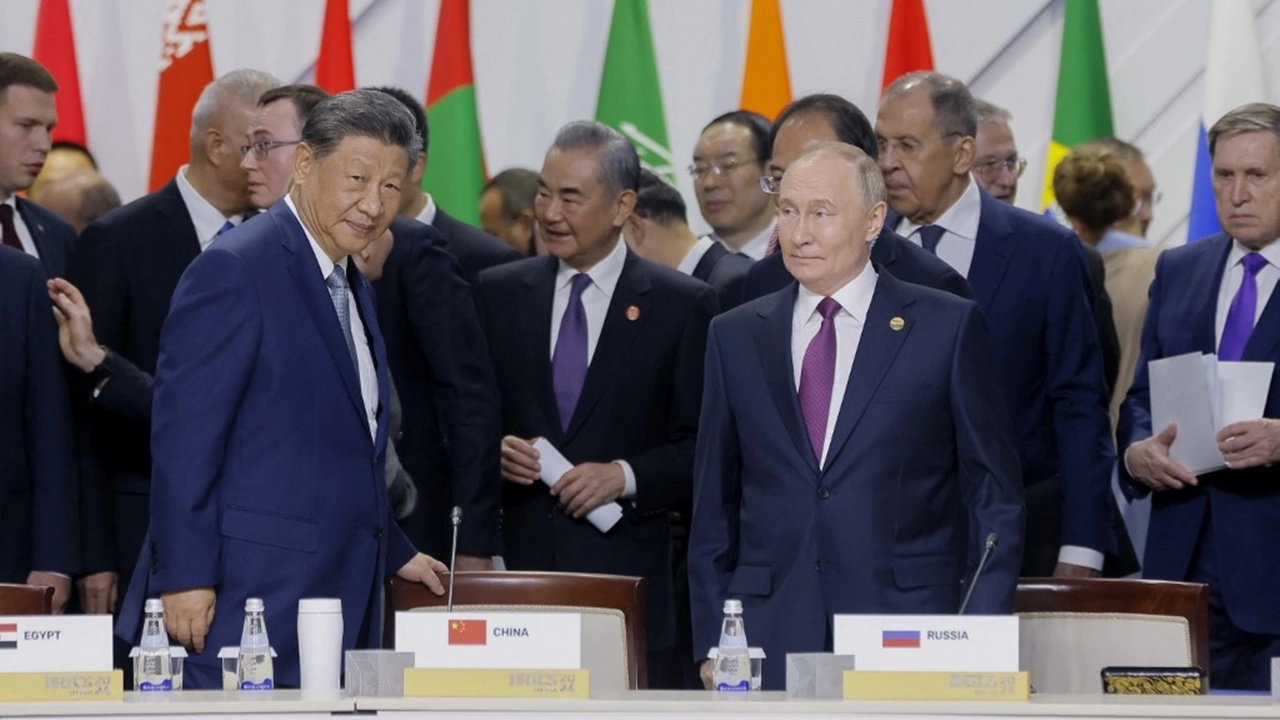
Thailand and ASEAN Peers Become BRICS Partners, Aiming for Trade Growth. On October 24th, 2024, international news reports confirmed that 13 countries, including four ASEAN members—Malaysia, Indonesia, Vietnam, and Thailand—have joined BRICS as official partner nations, but not yet full members.- The Pattaya News

Thailand and ASEAN Peers Become BRICS Partners, Aiming for Trade Growth

National —

On October 24th, 2024, international news reports confirmed that 13 countries, including four ASEAN members—Malaysia, Indonesia, Vietnam, and Thailand—have joined BRICS as official partner nations, but not yet full members. 

The official BRICS social media account on 'X' announced the partnerships on Thursday, listing Malaysia, Indonesia, Vietnam, and Thailand alongside Algeria, Belarus, Bolivia, Cuba, Kazakhstan, Nigeria, Turkey, Uganda, and Uzbekistan. 

BRICS leaders view these additions as a step towards enhancing global South cooperation and trade, especially with a collective population exceeding 3.2 billion and a combined economic value of $28.5 trillion, accounting for 28% of the global economy. Established to counterbalance Western economic influence, the BRICS bloc has now extended its partnerships to include new emerging economies with rapid growth.

Political risk analyst Halmi Azri pointed out that ASEAN's partnership with BRICS offers broader trade opportunities and strengthens relations with China amid rising global instability, including the Ukraine and Middle Eastern conflicts.

Halmi noted that the ASEAN partners could become influential advocates for regional issues within BRICS, proposing collaborative developments and joint solutions across Asia.

Furthermore, Dr. Oh Ei Sun, a research fellow in Singapore, added that while ASEAN's ties with BRICS may increase China's influence in the region, ASEAN cohesion is expected to remain unaffected. 

The step of becoming partners is seen by many analysts as a move forward towards eventual full membership to BRICS.


torsdag 24 oktober 2024

Bangkok Post - Tourism tax to start with air travel. Collection of the 300-baht travel tax may start with air passengers in the first phase, with the system needing at least six months before starting, according to the Tourism and Sports Ministry. The insurance premium for tourists is capped at no more than 60 baht per person, out of 300 baht collected. The duration of protection is 30 days.

Tourism tax to start with air travel
Arriving passengers queue for immigration counters at Suvarnabhumi airport. Somchai Poomlard
Arriving passengers queue for immigration counters at Suvarnabhumi airport. Somchai Poomlard 

Collection of the 300-baht travel tax may start with air passengers in the first phase, with the system needing at least six months before starting, according to the Tourism and Sports Ministry.

The ministry is revising details of the programme and will submit it for cabinet approval in January, said Tourism and Sports Minister Sorawong Thienthong.

Even though this project was approved by the previous government led by Prayut Chan-o-cha in February 2023, it now requires a consensus from the new cabinet as the administration has changed since the general election.

Mr Sorawong said it is possible collection will start with air passengers, though the tax scheme will need six months after cabinet approval to prepare the system before getting started.

Once the system settles, the second phase covering overland travel will follow, he said.

According to the ministry, air travellers account for 70% of foreign arrivals to Thailand.

The transaction system has been prepared and is powered by Krungthai Bank.

Tourists can pay via a website or an app that is being developed for the next phase, said Mr Sorawong.

Payment would be similar to South Korea's K-ETA registration system, which requires foreign travellers to register and make an online payment before entering the country.

Once the government approves this project, the ministry will start a procurement process to recruit software developers and insurance companies to offer insurance policies for foreign tourists, he said.

The insurance premium for tourists is capped at no more than 60 baht per person, out of 300 baht collected.

The duration of protection is 30 days, as 87% of tourists have an average length of stay of no more than a month, with compensation remaining the same as previous Thai tourist policies, at 1 million baht in the event of death from an accident, and 500,000 baht in case of injury.

Mr Sorawong said the ministry might propose adjustment of the fee collection to 300 baht for all ports of entry to prevent accusations of discrimination, as the previous government set the land and sea arrival rate at only 150 baht.

According to the ministry's study, people who frequently cross borders for trade purposes will not be affected as they can use a border pass to be exempt from the 

onsdag 23 oktober 2024

Thai baht in weakening trend, moving 33.40–33.53 per US dollar; next resistance zone at 33.65. The depreciation is primarily driven by the strengthening of the US dollar, fueled by market players adjusting their expectations about the Federal Reserve’s interest rate cuts. According to the CME FedWatch Tool, the market now sees only a 38% chance of a rate cut in December, lowering expectations for a cut in November as well. - Pattaya Mail

Thai baht in weakening trend, moving 33.40–33.53 per US dollar; next resistance zone at 33.65

The baht has been gradually depreciating since last night, moving within a range of 33.40–33.53. This follows the baht's significant weakening the day before, breaking through a resistance level of 33.45 per USD.

BANGKOK, Thailand – A market strategist at Krungthai GLOBAL MARKETS, Poon Panichpibool, revealed on October 22 that the Thai baht opened this morning at 33.52 per USD, weakening from the previous day's close of 33.44. The baht has been gradually depreciating since last night, moving within a range of 33.40–33.53. This follows the baht's significant weakening the day before, breaking through a resistance level of 33.45 per USD.

The depreciation is primarily driven by the strengthening of the US dollar, fueled by market players adjusting their expectations about the Federal Reserve's interest rate cuts. According to the CME FedWatch Tool, the market now sees only a 38% chance of a rate cut in December, lowering expectations for a cut in November as well.

Moreover, the US dollar has gained support as investors position themselves in anticipation of uncertainty surrounding the US presidential election, where recent assessments suggest that Donald Trump has a chance of winning. Additionally, the yen has weakened against the dollar, surpassing the 150-yen mark, driven by the widening gap between 10-year US and Japanese bond yields.

Beyond the strong US dollar, the baht faces additional pressure from commodity transactions, particularly in gold and crude oil, as prices for these assets fell last night. However, the baht's depreciation was slowed near the 33.50 resistance level by some dollar selling from exporters and market players holding short THB positions, anticipating further baht weakness.

Looking ahead, there are few major economic reports today, so the market will focus on central bank policy signals, particularly from the Federal Reserve, Bank of England (BOE), and European Central Bank (ECB). Any changes in market sentiment regarding interest rates from these central banks could impact the dollar and major currencies like the pound (GBP) and euro (EUR).

Investors are also watching for corporate earnings reports, monitoring geopolitical tensions in the Middle East, and following the US presidential election developments.

In terms of the baht's outlook, while it is likely to continue weakening, the drop may be limited as some market participants could sell dollars if the baht moves beyond the 33.50 resistance level. A rebound in gold prices due to election uncertainties or Middle East tensions could also slow the baht's depreciation. However, the combination of a stronger dollar, rising US 10-year bond yields, and cautious global financial markets could lead foreign investors to continue selling Thai assets, adding further pressure on the baht.

If the baht breaks through the 33.50 level, it could test the next resistance zone at 33.65 per USD. On the support side, the baht may find a floor around 33.30-33.40, with significant support at 33.00 per USD, although a baht rebound is unlikely in the near term.


Genomgång: Kraftig prisskillnad inom Arlandas utbud Avvikelserna i hur mycket det kostar att handla vatten, läsk, kaffe och alkohol på Arlanda är markanta – på en del drycker så stor som 110 procent.

Handlar INTE om Thailand men därmed inte mindre intressant……..

Genomgång: Kraftig prisskillnad inom Arlandas utbud

Avvikelserna i hur mycket det kostar att handla vatten, läsk, kaffe och alkohol på Arlanda är markanta – på en del drycker så stor som 110 procent.

Premium

2024-10-22 16:20

Det är jämförelsesajten Zmarta som står för granskningen av prislistorna på Arlanda. De har gått igenom vad butiker, kaféer, restauranger och snabbköp tar för vatten, läsk, öl, vin, mousserande, bryggkaffe samt latte – före och efter säkerhetskontrollen.

Först och främst är prispåslaget vad gäller vatten och läsk på Arlandas snabbköp närmare 25 procent, jämfört med samma butikskedjor i Stockholms innerstad. Jämfört med dryckespriserna i vanliga livsmedelsbutiker i centrala Stockholm är påslaget cirka 150 procent.

Efter säkerhetskontrollen ligger snittpriset på en 50-centilitersflaska mineralvatten på 34 kronor på snabbköpen och 38 kronor på restaurangerna. 

Dyrast är restaurang Uncorked där en flaska kostar 43 kronor. Billigast är Tax Free-shoppen som säljer samma flaska för 25 kronor. De är båda hur som helst dyrare än i en livsmedelsaffär inne i Stockholm, där ligger priset på cirka 13 kronor.

Prisskillnaden på jämförbara alkoholhaltiga drycker inom Arlanda kan vara så stor som 110 procent. Mest plånboksvänligt är det före säkerhetskontrollen. På Itameh Sushi serveras flygplatsens billigaste glas vin för 75 kronor. 

Arlandas billigaste mousserande och stor stark går att handla intill, på Pong och Mezefabriken. Här kostar ett glas cava 85 kronor och en fatöl 76 kronor. 

Dyrast före säkerhetskontrollen är Sky Horizon. Här kostar en stor stark 129 kronor och ett glas vin 139 kronor. Ett glas mousserande är dyrast på Ritazza, 135 kronor för en liten flaska (20 cl).

På andra sidan säkerhetskontrollen är snittpriserna något högre. Hawaii Poké är billigast i tre kategorier: ett glas vitt eller mousserande kostar 99 kr och en stor stark 98 kronor. Jureskogs har lägst priser för ett glas rött vin, 107 kronor. 

Det dyraste vinet står WayCup, Uncorced samt Upstairs & Bar för. På samtliga tre kostar ett glas rött vin 139 kronor. WayCup säljer också det dyraste glaset mousserande: 179 kronor för en liten flaska (20 cl).

En kopp bryggkaffe är billigast på McDonalds, 20 kronor. Dyrast är det på Ritazza och Sky Horizon, 45 kronor. Alla tre ligger före säkerhetskontrollen. McDonalds har också billigast kaffe latte för 27 kronor. Gateau är dyrast, 63 kronor. 


Thailand’s poorest hail US$14 billion cash handout scheme - ‘we can breathe’. Despite early success, Thailand’s growth has stagnated – as flashy developments siphon resources away from innovation and productivity | South China Morning Post

Asian Angle | Why Thailand failed to escape the middle-income trap

Despite early success, Thailand's growth has stagnated – as flashy developments siphon resources away from innovation and productivity

Despite being one of the first populous Southeast Asian countries to achieve middle-income status in the early 1990s, Thailand has struggled to escape the middle-income trap. Its gross domestic product per capita last year was about US$7,000 – just over half of China and neighbouring Malaysia.

The Asian financial crisis in 1997-98, which originated in Thailand, savaged the country's economy, destabilised its banks and financial system, and set back its development prospects. It took Thailand nearly a decade to regain its pre-crisis level of GDP per capita. Since then, growth has averaged just over 4 per cent annually – too low for a middle income economy.

Last month, the World Bank released its World Development Report 2024 titled "The Middle-Income Trap". The report highlights the central challenge for economies like Thailand's: while high investments and technology diffusion can elevate a country from low- to middle-income status, advancing to high-income status – with a GDP per capita of at least US$14,000 – requires developing domestic innovation capacity.

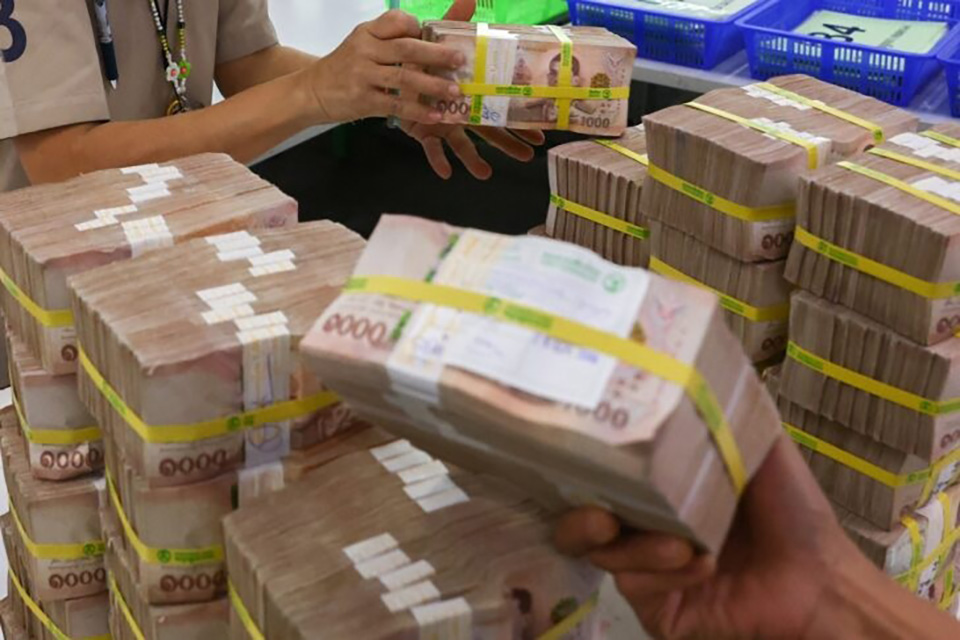
Thailand's poorest hail US$14 billion cash handout scheme - 'we can breathe'

Critics say the move to give Thailand's poorest a US$300 cash subsidy papers over structural issues that are holding back the economy

Cooking oil, rice and fertiliser were the first purchases made by 74-year-old Sopak Ruangsang with her 10,000 baht (US$300) cash subsidy, one of the 14.5 million poorest people in Thailand to benefit from an initial round of the kingdom's biggest ever direct handout.

Sopak next paid down debts and helped neighbours in her close-knit community in Isaan region who did not qualify for the cash handout this time around.

"After that, I helped pay for my grandchildren's school fees and that's pretty much all of it gone," she told This Week in Asia.


tisdag 22 oktober 2024

Visa-free travel across South East Asia has detail devils to resolve. Thailand’s initiative to secure a “6 countries, 1 destination” visa policy with her neighbors has received the thumbs-up as desirable. Of course, the devil hides in the detail which has not yet been agreed. For example, Vietnam has notoriously complex immigration rules, whilst Cambodia charges a tourist fee of US$30 for foreigners outside the ASEAN network. Laos has a fee structure for entry at its border posts, but has apparently now agreed with Thailand to abolish charges in the interests of an expected surge in tourism and cross-country trade. - Pattaya Mail

Visa-free travel across South East Asia has detail devils to resolve

International tourists are snapped in a picturesque region of Vietnam.

Thailand's initiative to secure a "6 countries, 1 destination" visa policy with her neighbors has received the thumbs-up as desirable. If implemented, cross-border travel would promote tourism and economic collaboration between Thailand, Cambodia, Laos, Malaysia, Vietnam and Brunei. Following the "Schengen principle", a single visa would permit subsequent entry to other cartel member states.

Of course, the devil hides in the detail which has not yet been agreed. For example, Vietnam has notoriously complex immigration rules, whilst Cambodia charges a tourist fee of US$30 for foreigners outside the ASEAN network. Laos has a fee structure for entry at its border posts, but has apparently now agreed with Thailand to abolish charges in the interests of an expected surge in tourism and cross-country trade.

Hoang The Han, director general of Dai Vet International Tourism, said that Vietnam had the most to gain from the "6 countries, 1 destination" policy as the nationals of only 25 countries were currently allowed no-hassle entry. Thailand, by contrast, allows visa-exempt and free entry for 93 countries including all those with large contingents of leisure-seeking tourists. Currently, 70 million visit the region annually, with Thailand and Malaysia taking more than half of the US$90 billion estimated revenue.

Professor Thitinan Pongsudhirak, based at Chulalongkorn University, said that several security concerns still had to be resolved as member states had very diverse immigration-related policies. For example, Thailand will next year introduce a prior, automated entry requirement for all visa-free travel. But the authorization is specific to Thailand. What happens under the proposed policy if a tourist first enters Cambodia but then crosses to Thailand?

The Thai foreign ministry believes that all related concerns can be sorted, but that the initial "6 countries 1 destination" policy will likely be a bi-lateral agreement with Vietnam or Cambodia. A quick resolution across the region is unlikely. Thus, agreement will need to be reached on the data base identification of criminal elements who would be quick to exploit ambiguities in specific countries. Best to make haste slowly.


Fresh Push to Send Thaksin Back to Jail Intensifies. The Thai political landscape is witnessing yet another ripple as a fresh move by former Democrat MP Charnchai Issarasenarak seeks to have ex-Prime Minister Thaksin Shinawatra returned to jail. ASEAN NOW


BUCz3kW7pmsIQUeyCdlqpr5Z8f6iZlDE0ZBPMytxk1kERE3M7AeWDpUxZ.jpg


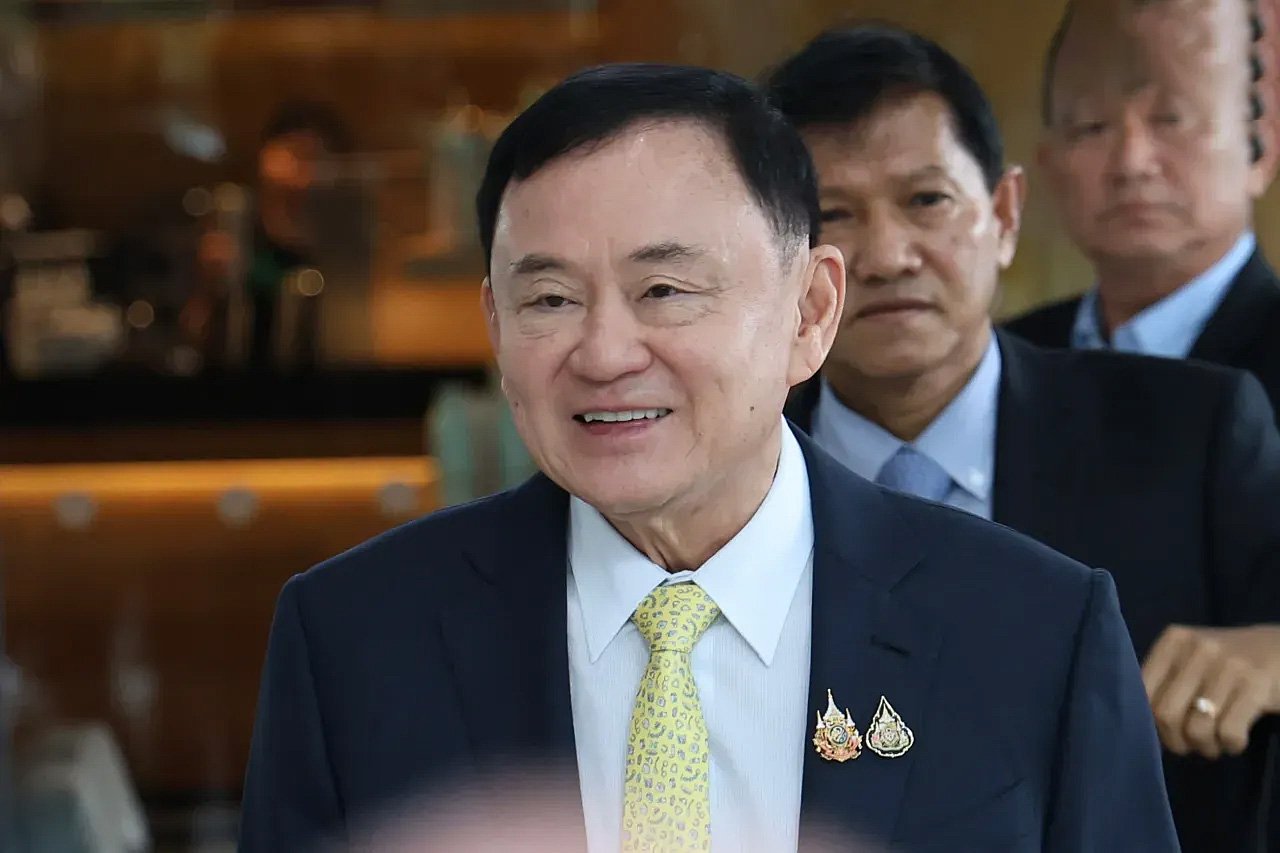
The Thai political landscape is witnessing yet another ripple as a fresh move by former Democrat MP Charnchai Issarasenarak seeks to have ex-Prime Minister Thaksin Shinawatra returned to jail.


Thaksin, a prominent figure in Thailand's political scenario and father of current Prime Minister Paetongtarn Shinawatra, has come under scrutiny once more for allegedly circumventing his jail term.


Having been granted a royal pardon last year upon his return from a self-imposed 17-year exile, Thaksin's initial eight-year sentence for power abuse was reduced to a single year.


However, it is claimed that Thaksin has not served this year-long sentence in full, avoiding physical incarceration altogether. Instead, he spent six months in a private ward at the Police Hospital before his release on parole earlier in the year, sparking accusations of legal manipulation.


Charnchai is appealing to Thailand's Supreme Court to rule retroactively, asserting that Thaksin had utilised his influence to evade jail, a move that is "categorically against the law."


The crux of the matter lies in whether the Corrections Department legally transferred Thaksin to the hospital. Normally, such a transfer would necessitate prior approval from the Criminal Court, something that allegedly did not occur in this case, regardless of Thaksin's reported "critical illness."


Should the Supreme Court rule in favour of Charnchai's petition, Thaksin could face returning to prison to complete his sentence. Further, Corrections Department Director-General Sahakarn Petchnarin could also face misconduct charges if found complicit.


This development adds another layer to the saga surrounding the Shinawatra family and their ongoing influence in Thai politics. The outcome of this legal challenge will undoubtedly impact the country's political narrative in the coming months, reported Thai Newsroom.


Picture courtesy: Thai Rath


news-logo-btm.jpg

-- 2024-10-22

Newin Rejects Thaksin's Casino Plan for Thailand. In a significant political development, Newin Chidchob, a key political figure in Thailand, has openly dismissed Thaksin Shinawatra's proposal to legalise casinos. This decision came out during a private discussion between these two influential persons earlier this month. ASEAN NOW


Picture courtesy: Sanook


In a significant political development, Newin Chidchob, a key political figure in Thailand, has openly dismissed Thaksin Shinawatra's proposal to legalise casinos. This decision came out during a private discussion between these two influential persons earlier this month.


Thaksin, father of current Prime Minister Paetongtarn Shinawatra, has been trying to gain support for his casino initiative as part of larger entertainment complexes in popular tourist destinations such as Bangkok, Phuket, and Pattaya, where gambling is currently illegal. These proposed casinos would be part of grand entertainment centres aiming to attract tourism and boost the economy.


Despite Thaksin's efforts, Newin maintained a clear stance against the casino plan, expressing concerns over potential social and economic issues, such as debt and addiction among the public. Newin's stance is pivotal since his Bhumjaithai Party holds considerable influence within Thailand's ruling coalition, which includes Thaksin's Pheu Thai Party.


However, it is understood that Newin is not entirely against the notion of building entertainment complexes. He may support such projects on the condition that they exclude gambling activities. This stipulation underscores a key difference in vision between the two political figures.


Thaksin has been under scrutiny for potentially overstepping legal and political boundaries by allegedly wielding undue influence over his daughter's government and coalition partners. In light of this, investigations are already underway by several bodies, notably the Election Commission and Constitutional Court, to examine these allegations further, reported Thai Newsroom an Reuters.


In conclusion, while Thaksin continues to push forward ambitious projects, including the joint Thai-Cambodian initiative in the Gulf of Thailand, his casino plan faces a formidable challenge with Newin's rejection. New developments in this political story could significantly impact Thailand's legal and economic landscape in the near future.


-- 2024-10-21

lördag 19 oktober 2024

Foreign tourists caught disposing trash in Pattaya Sea ignoring warning, sparks online outrage. PATTAYA, Thailand – Social media erupted in criticism after TikTok user @yotin224 posted a video showing a group of foreign tourists, reportedly from India, carelessly throwing bottles into the sea at Pattaya Beach on October 18. Despite being warned in English, the tourists continued their littering behavior, prompting the poster to film the incident as evidence and threaten to contact the police. The tourists eventually left the beach but not before mocking the situation without showing any remorse. - Pattaya Mail

 Foreign tourists caught disposing trash in Pattaya Sea ignoring warning, sparks online outrage
Social media users are outraged after a video surfaced of foreign tourists, allegedly from India, throwing bottles into Pattaya Beach despite warnings.

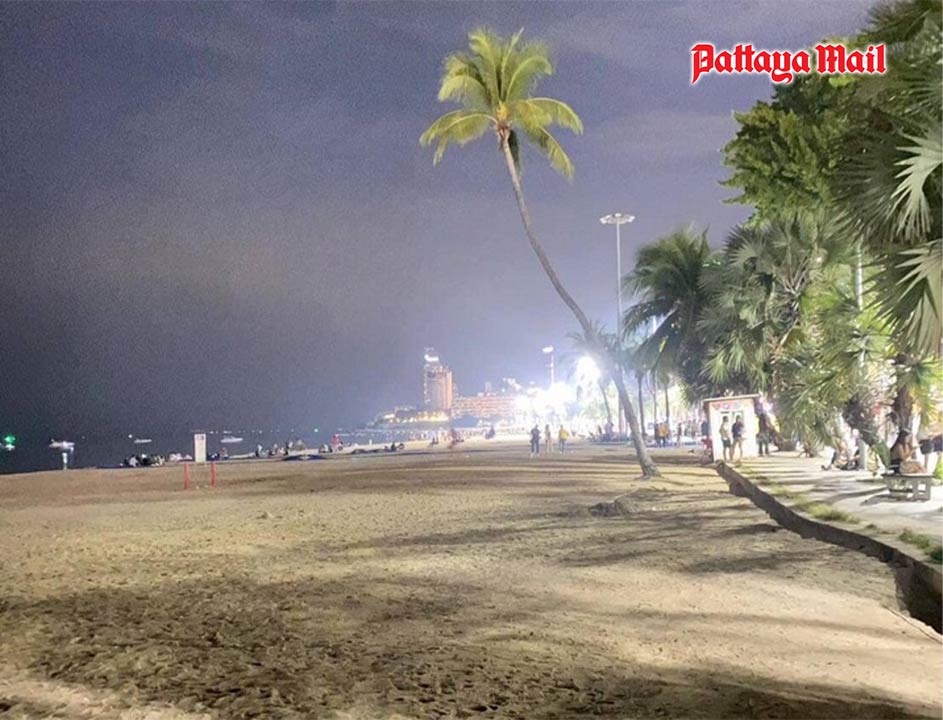
PATTAYA, Thailand – Social media erupted in criticism after TikTok user @yotin224 posted a video showing a group of foreign tourists, reportedly from India, carelessly throwing bottles into the sea at Pattaya Beach on October 18. Despite being warned in English, the tourists continued their littering behavior, prompting the poster to film the incident as evidence and threaten to contact the police. The tourists eventually left the beach but not before mocking the situation without showing any remorse.

The video, which has garnered over 1.4 million views, sparked outrage among viewers, many of whom expressed their dissatisfaction and called for the tourists to face legal action. Yothin Innoy or Juy, the individual who recorded the clip, stated that he had approached the tourists to pick up the bottles and urged them not to litter, but they ignored his pleas.

TikTok user Yothin Innoy or Juy filmed the incident, capturing the tourists' disregard for cleanliness and threatening to report them to the authorities.
Pattaya police are investigating the incident, reviewing CCTV footage to identify the littering tourists and potentially take legal action against them.

Pattaya police have reached out to Yothin for further details and are reviewing CCTV footage to identify the tourists. If they have not yet returned to their home country, legal action will be taken as a precedent. Yothin also urged both Thai and foreign tourists to help keep the beaches clean to ensure they remain beautiful and enjoyable for everyone.