tisdag 4 februari 2025

The twin threats to Thailand’s tourism industry. Particularly troubling is the situation in Thailand, which relies heavily on tourism, especially amidst challenges in its manufacturing sector due to competition from cheap Chinese products. The Tourism Authority of Thailand (TAT), the state agency under the Ministry of Tourism and Sports, has set an ambitious target of 40 million arrivals this year, aiming to return to pre-COVID-19 levels. However, recent events and ongoing issues may act as hurdles towards achieving this goal. PBS World

The twin threats to Thailand's tourism industry

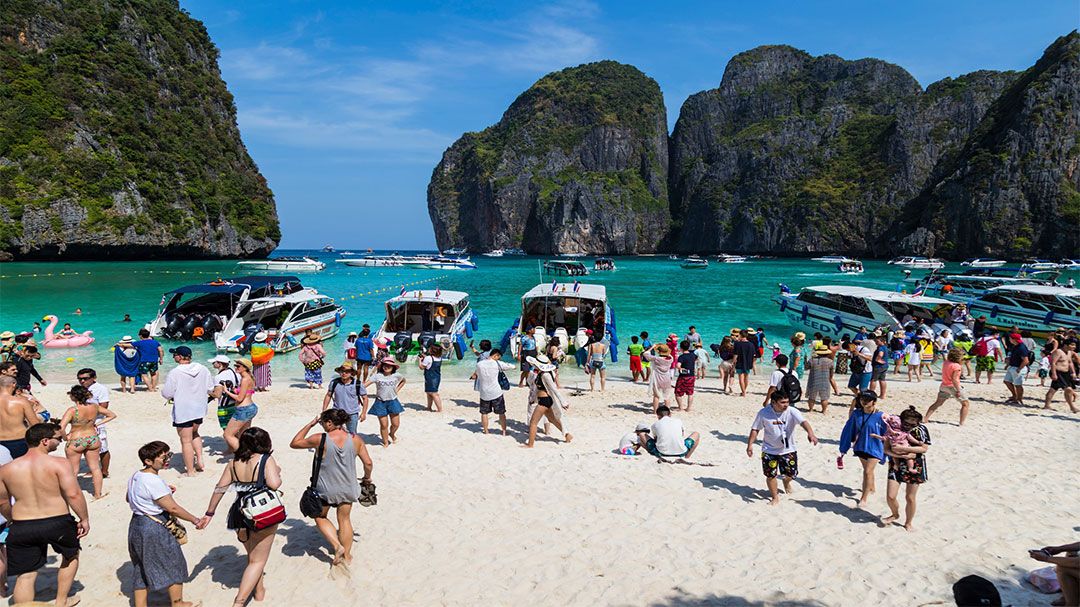
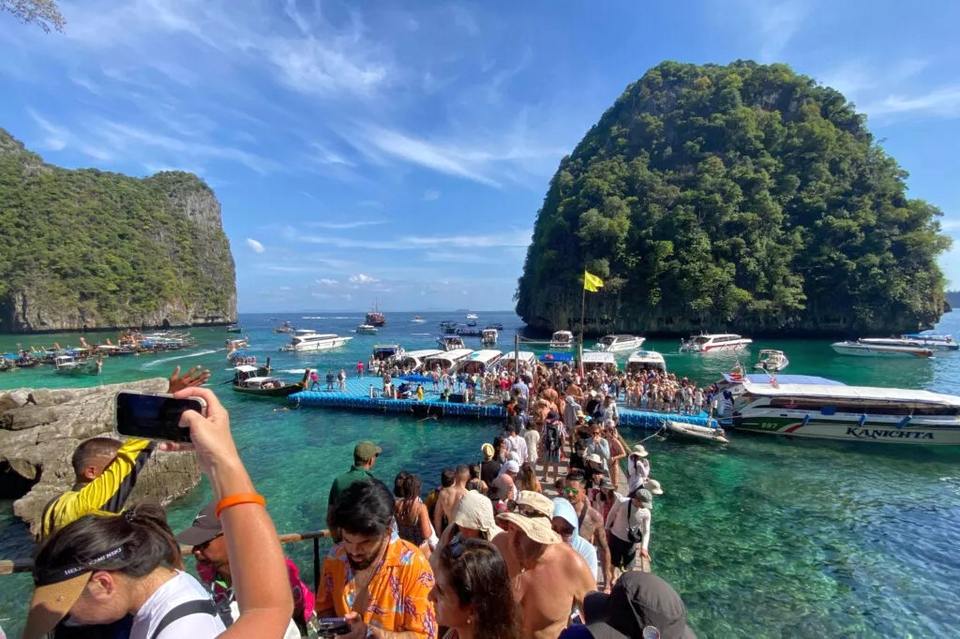
The tourism industry is once again under scrutiny as safety concerns and air pollution threaten to undermine post-pandemic recovery and growth.

Particularly troubling is the situation in Thailand, which relies heavily on tourism, especially amidst challenges in its manufacturing sector due to competition from cheap Chinese products. 

The Tourism Authority of Thailand (TAT), the state agency under the Ministry of Tourism and Sports, has set an ambitious target of 40 million arrivals this year, aiming to return to pre-COVID-19 levels.

However, recent events and ongoing issues may act as hurdles towards achieving this goal.

Safety concerns a major deterrent

The perception of safety is paramount for any tourist destination. Of late, Chinese tourists have been gripped by fears after a Chinese actor was abducted by a criminal call center in Myanmar.

Wang Xing was lured by a promise of a job opportunity and traveled to Thailand, but he ended up in a scam call center in Myanmar.

This incident has sparked widespread concern among potential Chinese tourists regarding their safety while traveling. 

Sisdivachr Cheewarattanaporn, the president of the Association of Thai Travel Agents (ATTA), has expressed worries about the fallout of these safety perceptions on tourism.

He notes that some group tours, particularly during peak travel periods like Chinese New Year, have started canceling their bookings due to these concerns.

Sisdivachr has called on the Thai government to take decisive action against scam call centers operating in neighboring countries, particularly in Myanmar near the Thai border.

He advocates treating these criminals as terrorists. Many others are suggesting cutting off electricity supplies to the scam centers.

Such measures are essential to restore confidence among Chinese tourists and reassure them that Thailand remains a safe destination.

The threat in the air

In addition to safety concerns, air pollution poses a major threat to the tourism industry.

Thailand has been grappling with high levels of PM2.5 toxic dust, which affects public health and the environment.

The primary sources of this pollution are agricultural burning and emissions from manufacturing processes. Farmers burning sugar cane and manufacturers releasing dirty air contribute to the increase in PM2.5 particles, creating a hazardous environment for both residents and tourists.

Air pollution from neighboring countries and weather conditions are also blamed for the increase in air pollution at this time of the year.

The government has repeatedly said that it seeks cooperation from nearby countries, but critics blame lack of serious cooperation across the border. 

Sisdivachr has called for stringent government action against both farmers and manufacturers responsible for air pollution.

He emphasizes the need for a comprehensive approach to tackle this issue that, unless dealt with, could deter tourists from visiting Thailand.

Clean air is a crucial factor for many travelers, and a failure to address pollution could lead to a decline in visitor numbers.

The economic imperative

Tourism is a vital component of Thailand's economy, particularly as the manufacturing sector faces challenges.

The TAT aims to attract 40 million visitors this year, with a particular focus on increasing Chinese tourists to 11 million — the same number as in 2019.

The overall revenue target from both domestic and foreign tourists is set at 3.5 trillion baht.

Last year, 35.5 million tourists visited Thailand, generating about 1.66 trillion baht, but the country missed the target of 2 trillion baht. Domestic tourism contributed significantly, with 197.53 million trips, generating 952 billion baht.

A total of 6.7 million Chinese nationals visited Thailand last year, according to TAT statistics. The numbers were far short of the 11 million in 2019, partly due to slower economic growth in China. 

To achieve these ambitious targets, the TAT is expanding its efforts to attract more tourists from China and India.

It has initiated campaigns such as "Amazing Thailand Grand Tourism & Sports Year 2025" to promote the country as a premier destination.

However, the success of these campaigns hinges on addressing the underlying issues of safety and air pollution.

Government response and criticism

The Thai government has faced criticism for its perceived lack of decisive actions in addressing both scam call centers and air pollution.

Critics argue that the government's wavering stance has exacerbated these issues, calling for more stringent measures to ensure the safety and well-being of tourists.

The proposal to cut electricity supply to scam centers in Myanmar is among the suggestions put forth to combat these criminal activities effectively.

Addressing air pollution requires a multifaceted approach, including enforcing regulations against agricultural burning and industrial emissions.

Public health and environmental sustainability must be prioritized to create a safe and attractive environment for tourists. 

The tourism industry in Thailand faces significant challenges in the form of safety concerns and air pollution. "One mitigating factor is that free independent travelers among Chinese nationals, who are familiar with Thailand, are still coming and they could avoid areas with air pollution and take safety precautions for themselves," said Sisdivachr.

Achieving the target of 40 million visitors this year will depend heavily on the government's ability to address these issues effectively.

"Restoring confidence among Chinese tourists and ensuring clean air are crucial steps towards making the tourism sector sustainable in the long run," Sisdivachr stressed. 

The Thai government is under pressure from the Chinese government to address the issue of scam call-center networks.

The Cabinet recently approved a change to an emergency decree on measures to solve technology crimes.

The amendment, expected to take effect in February, will punish financial institutions, telecom operators and social media platforms if their negligence results in facilitating criminal activities of the scam call centers.

lördag 1 februari 2025

Phuket may soon transform into a cryptocurrency haven as Thailand explores new ways to boost its tourism economy. Former Prime Minister Thaksin Shinawatra has proposed the island as the ideal location for a 'crypto sandbox', allowing visitors to freely utilise digital currencies like Bitcoin during their stay. ASEAN NOW


Reference picture courtesy: FreePik


Phuket may soon transform into a cryptocurrency haven as Thailand explores new ways to boost its tourism economy. Former Prime Minister Thaksin Shinawatra has proposed the island as the ideal location for a 'crypto sandbox', allowing visitors to freely utilise digital currencies like Bitcoin during their stay.


While other nations are still engaging in preliminary talks about embracing cryptocurrency, Thailand is poised to take decisive action. Thaksin believes the country is better prepared than its Southeast Asian peers to harness the financial potential of digital assets.


This is especially relevant following the cryptocurrency-friendly policies announced by the US under President Trump, which have been drawing global attention towards digital currencies.


A cryptocurrency sandbox is an experimental initiative permitting cryptocurrencies to function as viable alternatives to traditional money. This could streamline transactions for large purchases, such as real estate, which are commonplace among tourists in locations like Phuket.


By reducing the need to handle physical cash, this initiative potentially harnesses the substantial funds tourists bring but previously spent outside formal channels.


The head of Gulf Binance, Nirun Fuwattananukul, argues that a crypto-friendly environment in Phuket could elevate Thailand as a magnet for tourists, digital nomads, and innovative startups. This move aligns with Thailand's strategy to position itself as a forward-thinking nation.


However, there are hurdles to this ambition. Currently, the Bank of Thailand doesn't permit cryptocurrencies like Bitcoin as valid payment methods, even as the nation's Securities and Exchange Commission oversees crypto exchanges. Developing a regulatory framework to manage these transactions safely is crucial for success.


Implementing a crypto sandbox in Phuket will require new laws and financial regulations. Udomsak Rakwongwan from FWX notes merchants' reluctance to accept digital currencies due to accounting difficulties and price instability. Meanwhile, authorities will need to balance innovation with risk management to maintain Thailand's economic stability.


Encouragingly, the idea dovetails with Thailand's efforts to embrace cutting-edge payment technologies. The central bank has already initiated projects such as using stablecoins linked to the baht for payments, underscoring the nation's commitment to digital financial solutions.


With this proposed sandbox, Thailand aims to tweak traditional economic models and pave the way for groundbreaking digital transactions.


By embracing and regulating these financial innovations, the country could potentially emerge as a leader in digital asset management in the region. Should these initiatives in Phuket prove successful, they could serve as blueprints for further projects across the nation, reported Bangkok Post.


-- 2025-02-01

Thailands Foreign Arrivals Surge 26.27 Percent in 2024, Generating 1.67 Trillion Baht. On January 31st, 2025, Mr. Poonpong Nainapakorn, the director of the Commerce Ministry’s Trade Policy and Strategy Office (TPSO) reported that Thailand welcomed 35.54 million foreign tourists in 2024, marking a 26.27% increase from the previous year and generating 1.67 trillion baht in revenue, a 34% rise.- The Pattaya News

Thailands Foreign Arrivals Surge 26.27 Percent in 2024, Generating 1.67 Trillion Baht

On January 31st, 2025, Mr. Poonpong Nainapakorn, the director of the Commerce Ministry's Trade Policy and Strategy Office (TPSO) reported that Thailand welcomed 35.54 million foreign tourists in 2024, marking a 26.27% increase from the previous year and generating 1.67 trillion baht in revenue, a 34% rise.

National —

Poonpong highlighted tourism as a key economic driver, supporting businesses from hospitality to transport. However, challenges such as economic downturns in source countries, public health risks, and infrastructure readiness remain critical factors affecting growth.
The top five tourist markets were China (6.73 million), Malaysia (4.95 million), India (2.13 million), South Korea (1.87 million), and Russia (1.75 million). While Chinese arrivals are recovering, they remain at only 60.45% of pre-pandemic levels.

Factors boosting tourism included increased international demand, visa exemptions, simplified entry procedures, reduced TM6 requirements, and expanded flight routes. However, most arrivals came from short-haul markets, where average spending and length of stay remain relatively low. 
Officials suggest targeting high-spending segments such as wellness and event tourism to drive further economic gains.
Tourism's contribution to Thailand's GDP in Q3 2024 was 650.95 billion baht, accounting for 14.16% of the economy. The Commerce Ministry pledged continued support for tourism businesses and soft power initiatives to attract more visitors and sustain long-term growth.


fredag 31 januari 2025

Pattaya City enforces 24-hour alcohol ban before Election Day, drawing criticism from foreign tourists - Pattaya Mail

 😂😂😂


Pattaya City enforces 24-hour alcohol ban before Election Day, drawing criticism from foreign tourists
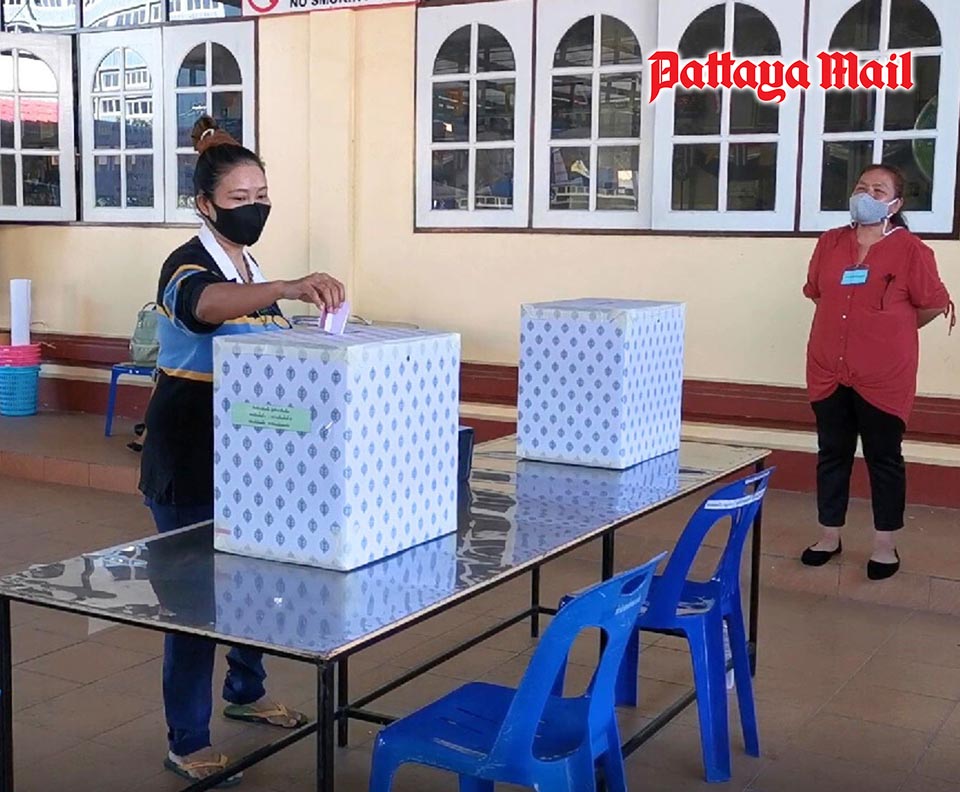
Pattaya's 24-hour alcohol ban before Election Day: ensuring a peaceful and fair vote, but frustrating some foreign tourists. (File Photo)

PATTAYA, Thailand – Pattaya City Police have announced a strict 24-hour alcohol ban in the run-up to Election Day for the Provincial Administrative Organization Members and Chief across Thailand including Chonburi province. The regulation, which will prohibit the sale, distribution, and serving of alcoholic beverages, is designed to maintain peace, order, and fairness during the election period.

The alcohol ban will be in effect from 6:00 PM on Friday, January 31until 6:00 PM on Saturday, February 1. Violators of the ban will face legal consequences, including fines and potential imprisonment.

The rationale behind this regulation is to ensure a calm and orderly environment, allowing voters to focus on making informed and responsible decisions during the elections. Local authorities hope that by temporarily limiting alcohol availability, they can minimize potential disruptions and promote civic engagement.

However, the announcement has sparked dissatisfaction among foreign tourists in Pattaya, who argue that the alcohol ban is unfair and inconvenient for those who have no stake in the election. Many foreign visitors, who are not eligible to vote, feel that the ban infringes on their rights and affects their travel experience.

Some tourists have expressed frustration, noting that they are not involved in the electoral process yet are subject to restrictions that impact their leisure time. This has led to calls for a reconsideration of such measures for international visitors who are not participating in the election.

As Election Day approaches, authorities in Pattaya continue to emphasize the importance of maintaining a peaceful atmosphere, while also addressing the concerns of tourists who feel caught up in the restrictions.

The alcohol ban will be in effect from 6:00 PM on Friday, January 31until 6:00 PM on Saturday, February 1.


Foreign Tourist Sparks Outrage by Urinating in Phuket Airport. “Quality tourist. No shame, no care. Urinating in Phuket Airport. Officials warned him, but he didn’t listen!”. ASEAN NOW

Min kommentar: VILKET SVIN !!!!😡😡😡


Picture courtesy of Khaosod.


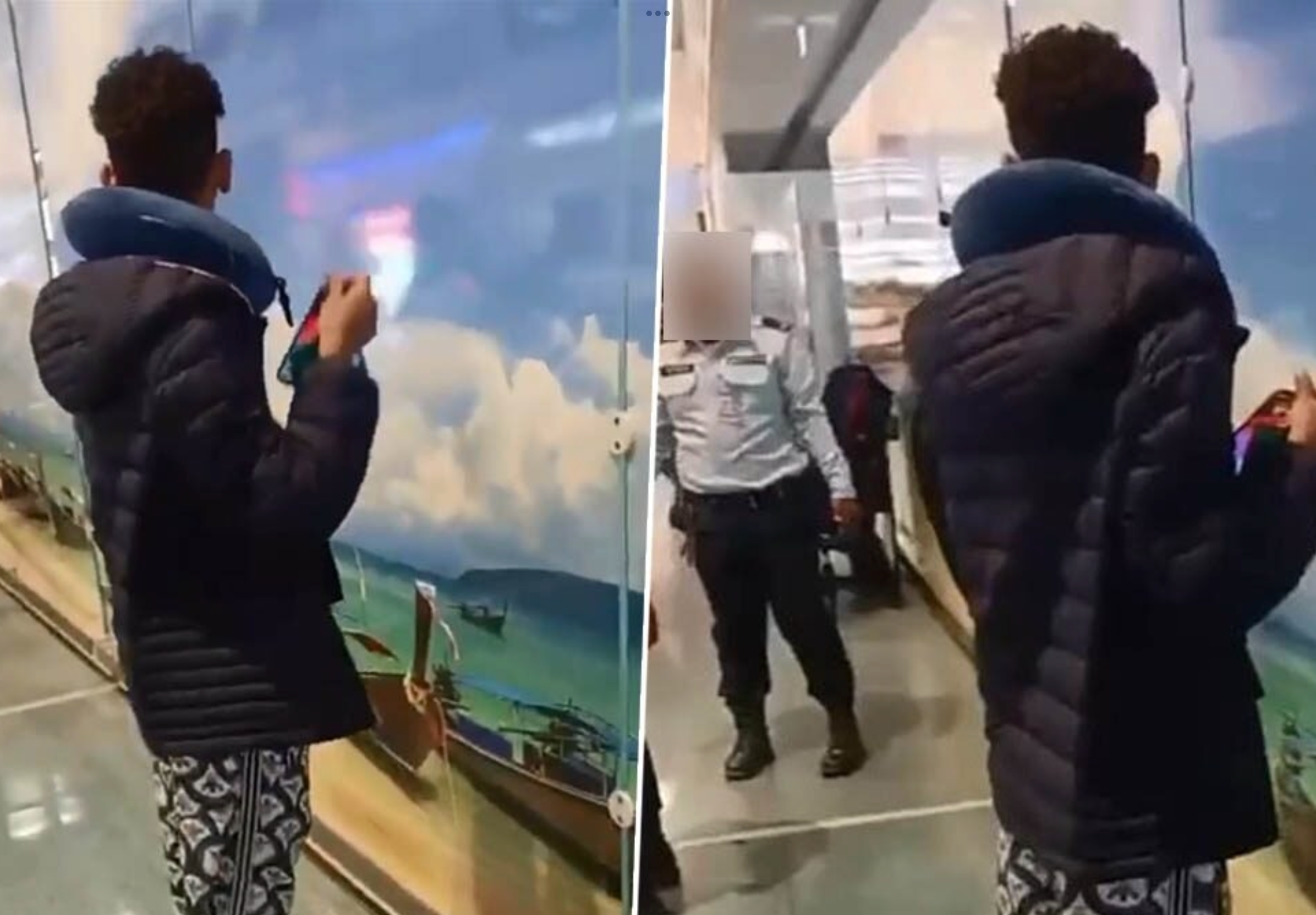
A foreign tourist has sparked outrage after being caught on video urinating in the middle of Phuket International Airport, seemingly unfazed by the presence of other passengers and airport staff.


The 13-second clip, which was shared widely on social media by the Facebook page "Hod Jung Phuket," shows the tourist relieving himself openly inside the airport terminal in Mai Khao, Thalang district, despite being warned by officials. The post was captioned: "Quality tourist. No shame, no care. Urinating in Phuket Airport. Officials warned him, but he didn't listen!"


The incident has provoked a wave of criticism online, with many Thai netizens expressing frustration over the lack of action against such behaviour. Comments on the post included:


    •    "If it were a Thai person, they'd have been arrested the moment they unzipped."


    •    "They must think they can do anything in Thailand. Our laws only apply to locals."


    •    "Free visas, free to do anything – even urinate in public!"


    •    "Why didn't anyone stop him? Just standing and watching?"


    •    "He should be fined to set an example."


The video has led to widespread calls for authorities to take strict action against the tourist, whose nationality remains unknown, with many demanding penalties to deter similar behaviour in the future.


Local officials have yet to confirm whether any legal action has been taken against the individual. The incident has reignited discussions on tourist conduct in Thailand.


-- 2025-01-31


torsdag 30 januari 2025

Contradictory immigration rules handicap common visa hopes. ASEAN has been struggling since the turn of the century to find common visa ground. The idea was a favorite of the previous Thai prime minister Srettha Thavisin in 2023, but he envisaged that international tourists would need to enter Thailand first to qualify for seamless onward entry without any cost. This elitist proposal was quietly opposed by neighbors as it seemed unduly to benefit Thailand and would potentially deprive them of revenue.- Pattaya Mail

Contradictory immigration rules handicap common visa hopes

Please accept cookies to access this content

Overhauling national visa rules across six countries faces enormous hurdles.

Thailand's unilateral policy to reform entry requirements makes a Schengen-style "six countries one destination" ever more distant. Thailand is the only south east Asian country to allow most tourists a no-charge 60 days visa exempt, whilst plans to introduce a digital landing card – which specifically isn't a visa application – for all foreign entrants from May 2025 is another unique feature.

ASEAN has been struggling since the turn of the century to find common visa ground. The idea was a favorite of the previous Thai prime minister Srettha Thavisin in 2023, but he envisaged that international tourists would need to enter Thailand first to qualify for seamless onward entry without any cost. This elitist proposal was quietly opposed by neighbors as it seemed unduly to benefit Thailand and would potentially deprive them of revenue.

There is no coordination of immigration technologies across the region. Whilst most visitors to Thailand are free and visa-exempt, Cambodia and Laos require virtually all international tourists to pay for an e-visa online or risk long delays at airports. Vietnam has a complex visa system which appears to change details on a regular basis. Myanmar is in a class of its own as it has no international tourism because of the civil war.

Given that Thai authorities already have significant problems coordinating their own border control protocols and security data bases, the chances of uniformity throughout the region any time soon are indeed negligible. Although the Malaysian government has envisaged a common visa future, she and Thailand have the lion's share of international tourism in ASEAN and are competitors as much as they are collaborators.

A further issue is whether ASEAN nationals would be able to work across the region (as in the Schengen arrangements) rather than require a work permit in each country. Given the current panic, particularly in Thailand, about illegal workers and border scams, progress towards such labour flexibillity looks out of the question. ASEAN was set up as an economic free-trade zone and has a long history of avoiding cross-border political agreements. The dream of a common visa remains something to sleep on.

Thailand’s Destination Visa loophole that could cost you. For those daring enough to request an extension within Thailand, be prepared for a bureaucratic rollercoaster. | Thaiger

Thailand's Destination Visa loophole that could cost you

The much-hyped Destination Thailand Visa (DTV) is proving to be more of a bureaucratic headache than a dream ticket. While Bangkok Immigration (Division 1) has published criteria for extending the visa by six months, these guidelines aren't binding on provincial offices, leaving holders navigating a minefield of uncertainty.

The biggest revelation? It's far easier to leave the country every 180 days than to fight through the paperwork jungle for a local extension. A review of the DTV Facebook group shows that 75% of holders believe a simple border hop is the safest bet over the five-year validity of the visa.

For those daring enough to request an extension within Thailand, be prepared for a bureaucratic rollercoaster. The list of required documents is overwhelming:

  • Proof of at least 500,000 baht (US$14,000) in funds
  • A detailed Thai address history (blue book, ID, rental agreements, TM30, and TM47)
  • Updated proof of activity (employment verification, work portfolios for digital nomads, and photos of skill-learning for soft power holders)

Some categories face extra hurdles—artists need government-issued invitations, while boxing and cooking students must prove they're still learning years after their courses began.

But the real ticking time bomb? Tax liability. If you stay in Thailand for 180 days or more in a calendar year, you could be on the hook for income tax on overseas earnings. Many DTV holders are clueless about Thailand's tax identification number (TIN) and potential obligations, reported Pattaya Mail.

Thailand's Destination Visa loophole that could cost you | News by Thaiger
Photo courtesy of ThaiEmbassy.com

The bottom line? The DTV is effectively a five-year tourist visa, requiring holders to exit at least twice a year unless local immigration miraculously bends the rules. Whether staying 179 days or less is the ultimate loophole remains the million-baht question.

Different Thai embassies and consulates may interpret DTV requirements differently, leading to inconsistencies in application processing and approval. Some applicants have reported difficulties during the immigration process, including denied entry and additional scrutiny, especially if transitioning from other visa types.


onsdag 29 januari 2025

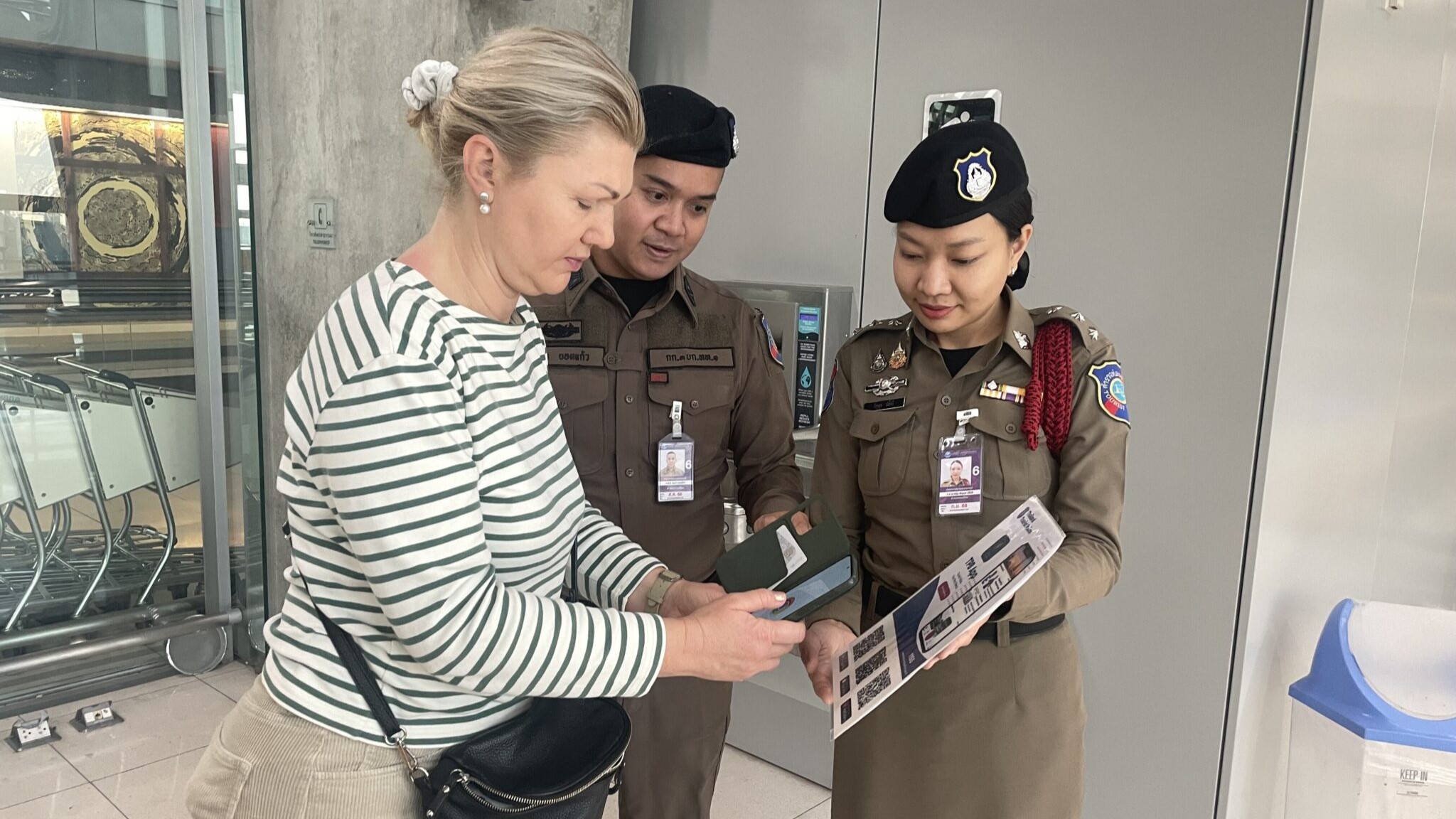
Suvarnabhumi Airport Strengthens Security to Tackle Scams and Protect Tourists. At 1:30 PM on January 27th, 2025, the Thai Immigration Bureau, Suvarnabhumi Airport Authority, and related agencies convened to implement measures enhancing airport safety and combating call center scams. - The Pattaya News

Suvarnabhumi Airport Strengthens Security to Tackle Scams and Protect Tourists

National —

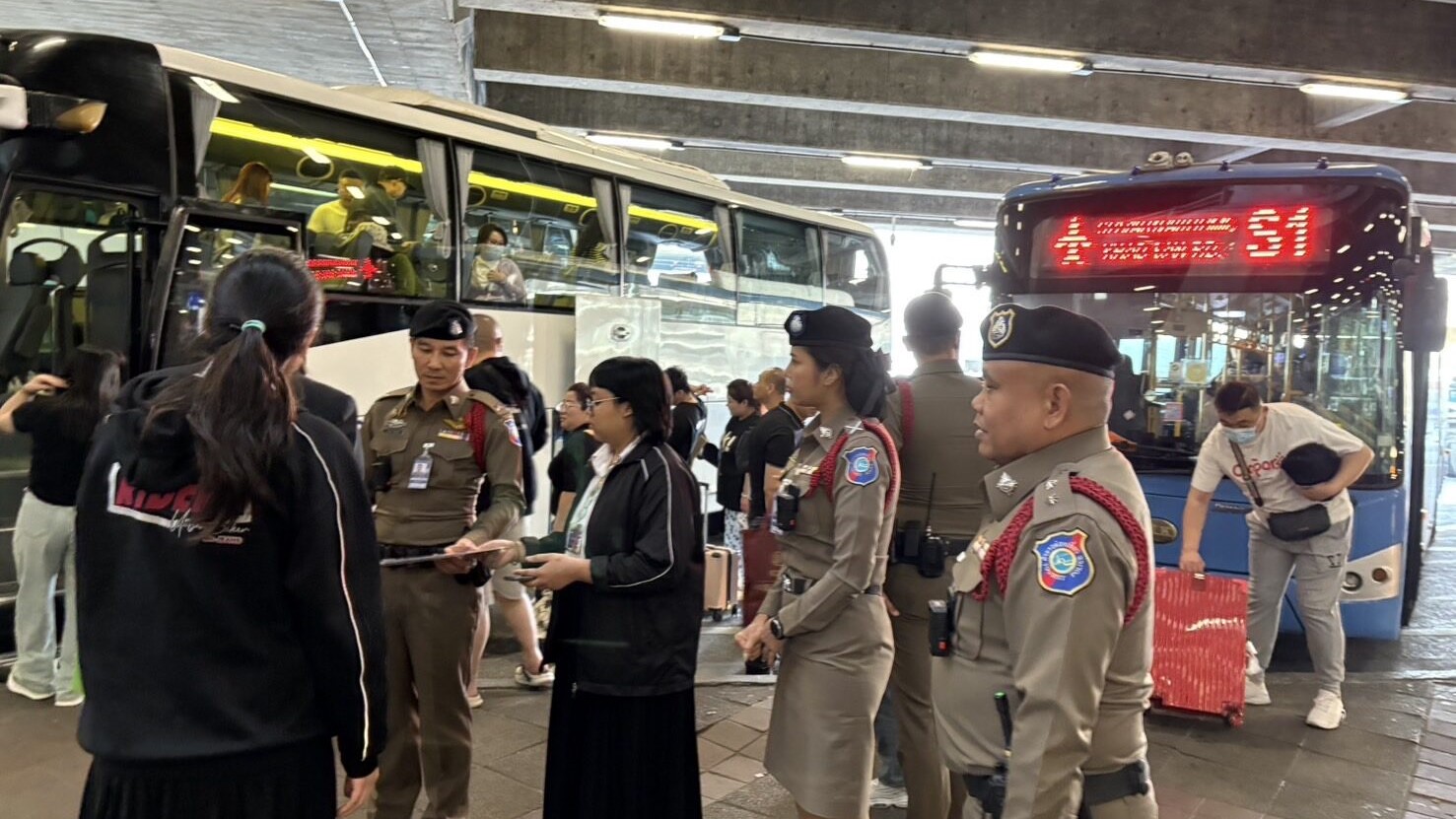
At 1:30 PM on January 27th, 2025, the Thai Immigration Bureau, Suvarnabhumi Airport Authority, and related agencies convened to implement measures enhancing airport safety and combating call center scams. 

The initiative follows directives from the National Police Chief to address rising concerns about tourist safety.

Key measures include thorough checks on foreign arrivals to prevent criminal activities and scams. Authorities will also monitor car rental services and tourist travel data, especially for those heading to border areas, with immediate coordination with local police if risks are detected.

Technology upgrades include AI-powered facial recognition, license plate tracking, and integrated CCTV systems to quickly identify individuals or vehicles involved in suspicious activities. 

Tourist Help Center 1155 has been enhanced to provide round-the-clock support in eight languages, including translation services for tourists and officials. The airport has also reorganized passenger pickup areas and mandated registration for individuals holding signage to prevent exploitation.

These actions aim to create a safer and more welcoming environment for international visitors.


söndag 26 januari 2025

There must be easier ways to admit foreigners into Thailand - Pattaya Mail

There must be easier ways to admit foreigners into Thailand
From May, everyone with a foreign passport will be required to complete an online landing card before departure.

WEEKEND EDITORIAL

The Ministry of Tourism and Sports has announced that all foreign passport holders will need to fill in a pre-departure online TM6 form starting in May. The main reason is likely the introduction of 60 days visa exempt for umpteen millions of tourists which began last July. They can just turn up at the airport or border post without any documentation, a move which critics say is an open invitation to wannabe criminals (notably Chinese) of one sort or another. Presumably the computerized form, not yet available, will ask for Thai address details as well as passport-related information.

The Ministry says that the online TM6 – a replacement for the old manual landing card which was suspended years ago because of the impossible-to-read scribbled writing, is not a visa but just an information card. Immigration officials at airports and borders can still access via their installed computers an individual's travel history, and whether he or she is banned and/or has a previous conviction or is wanted by Interpol. The new part is a statement by the traveller of his or her local address in Thailand. How all this affects other address-related bureaucracies post-arrival, such as TM30 (in theory completed by the hotel or house master) and TM47 (the 90 days report) still remains up in the air.

But the Ministry wants all foreigners, not just the visa exempts, to complete the TM6 computerized form prior to arrival. This is likely to produce some head scratching. Many expats have already provided details of their Thai address to local immigration, including documentary proof such as rental contracts or condominium unit ownership or a blue/yellow house book. But they now find themselves having to duplicate that information if they leave the country and return. A separate issue are the Destination Thailand Visa holders who are in the digital nomad category: many frequently change their address as they are neither retired and settled, nor workers earning money within Thailand.

Apparently, there are further entry procedures under review. An ETA or Electronic Travel Authorization as well as a form to collect 300 baht tourist tax are still being mulled over, even though government publicity last year claimed they would be in force, or at any rate on pilot, by January 2025. It is small wonder that many visitors to Thailand are befuddled by the ongoing confusion, mostly created by the Ministry of Foreign Affairs (in charge of embassies and entry rules) and not by the Immigration Bureau (in charge of processing and monitoring arrivals).

Whilst neighboring Cambodia has about a quarter of the number of visitors to Thailand, she has an entry system which appears simpler and more comprehensive. Most arrivals have applied online for an e-visa and/or be required to obtain one at the airport or border. The required details include a Cambodian address and phone number. If an individual stays longer than 30 days, to apply for an extension or to take advantage of a variety of longstay permits, he or she must ensure inclusion on the computerized data base Foreigner Present in Cambodia System or FPCS. The app must be updated every time the visitor moves home internally. Not a perfect system by any means, but at least it doesn't spread confusion and disenchantment about the host country. Those concerns are all too obvious in the Land of Smiles.


lördag 25 januari 2025

How to welcome the Year of the Snake, the Chinese way. A guide to Chinese New Year traditions in Thailand. The Nation

How to welcome the Year of the Snake, the Chinese way

A guide to Chinese New Year traditions in Thailand

Huge change on May 1 2025 for foreigners visiting Thailand. All – yes all – foreigners hoping to enter Thailand by air, land or sea from the beginning of May will need to complete a digital “landing card” form in advance of making their journey. The online form, known as TM6, is not yet available. It will be free. According to the Ministry of Tourism and Sports, the only exceptions will be those travelling on a Thai passport. - Pattaya Mail

Huge change on May 1 2025 for foreigners visiting Thailand

All foreign passport holders will have a new pre-journey task from May.

What will happen?

All – yes all – foreigners hoping to enter Thailand by air, land or sea from the beginning of May will need to complete a digital "landing card" form in advance of making their journey. The online form, known as TM6, is not yet available. It will be free. According to the Ministry of Tourism and Sports, the only exceptions will be those travelling on a Thai passport.

What information will the TM6 require? 

You will need the usual biographical details on your passport, together with a local telephone number and your initial Thai address. This information used to be collected on the manual TM6 form which was once handed out to tired passengers just before arrival. That pointless paper system was suspended in stages – first for air arrivals and then for land and sea – and is not currently in use. Immigration staff often could not read the scribbled details anyway written in haste after a long flight. The paper on-arrival TM6, in practice a waste of time as the information was not entered into the immigration system, is being replaced by an online version to be submitted prior to your journey to Thailand.

Does it matter whether I am visa-exempt for 60 days or have a visa?

No. The new rule applies to all non-Thais whether they are visa-exempt, visa on arrival, non-immigrant visa holders, Elite, Destination Thailand Visa, Long Term Residence etc etc. All must fill in the online TM6 form separately from any other embassy or immigration bureaucracy. Also irrelevant is whether or not you have a re-entry permit. None of it makes any difference. Tourists from 93 countries who currently obtain 60 days on arrival without any forms will need to complete the TM6 online. But nothing more.

So the online TM6 isn't a visa?

It's not a visa but an entry requirement irrespective of visa status. It is obvious that the key information is for the foreigners to give his or her address in Thailand. In theory, this information is available on a manual TM30 form submitted in paper form soon after arrival. But many tourists and expats do not regularly update their TM30, or have never heard of it, leading to enormous gaps in the immigration data base. The assumption is that the TM30 will disappear and replaced by the online TM6. If foreigners change their address whilst in Thailand, they will presumably be able to update the TM6 on their mobile device.

Why all this fuss about knowing your address in Thailand?

There are lots of reasons: to help track down criminals and unsavory characters, to streamline entry procedures, to reduce manual form filling etc. Embassies for their part are keen that immigration offices know the address of foreigners in Thailand in case of an emergency, eg a relative has died. If foreigners fail to update their Thai address details, and are found out, there will presumably be penalties but that's another wait and see issue.

Is TM6 different from Entry Travel Authorization? 

ETA, a forthcoming pre arrival form for visa exempt categories, has been postponed. They and all other foreigners must use the TM6. Also postponed is the 300 baht entry tax which has been debated for eight years and is still not in operation and won't be any time soon. TM6 is free. It should be noted that most countries now have some kind of computerized bureaucracy which details the foreigner and his or her local address shortly before arrival.

Will there be more details published by the government?

Yes there are ambiguities, some highlighted in the above paragraphs. The final details hopefully will be announced next month after a briefing meeting for stakeholders on January 31. The immigration bureau has already reviewed the upcoming online system. Eventually the government hopes to integrate the TM6 bureaucracy with other immigration screening procedures. Eventually!


torsdag 23 januari 2025

Bangkok Post - Online TM6 form for visitors to Thailand coming on May 1. The Ministry of Tourism and Sports is preparing to promote the online TM6 immigration form, which will be compulsory for all foreign arrivals entering Thailand as of May 1, though the government is reluctant to start collecting the 300-baht tourism fee this year.

Online TM6 form for visitors to Thailand coming on May 1
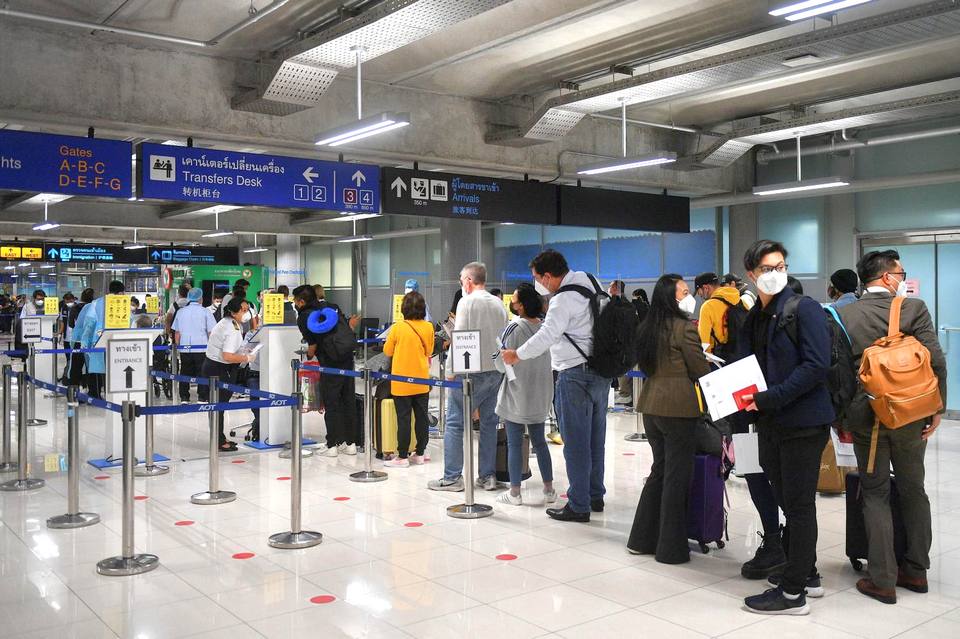
Tourists walk through the arrivals hall at Suvarnabhumi airport. (Photo: Somchai Poomlard)
Tourists walk through the arrivals hall at Suvarnabhumi airport. (Photo: Somchai Poomlard) 

The Ministry of Tourism and Sports is preparing to promote the online TM6immigration form, which will be compulsory for all foreign arrivals entering Thailand as of May 1, though the government is reluctant to start collecting the 300-baht tourism fee this year.

TM6 immigration forms were temporarily suspended by the cabinet on April 15, 2024.

When the suspension period ends on April 30 this year, a digital version of the TM6 will replace the paper-based one, said Natthriya Thaweevong, the ministry's permanent secretary.

She said the online form is expected to help track tourists while they are in Thailand, increasing confidence in safety as the country combats negative perceptions.

This week the ministry held an internal meeting and invited the Immigration Bureau to demonstrate the online system.

It will also hold a meeting on Jan 31 with all stakeholders, including the Ministry of Foreign Affairs, the Tourism Authority of Thailand, airlines, hotels and tour agencies, to learn more about the online form and help to publicise the process to foreigners.

Mongkon Wimonrat, the ministry's deputy permanent secretary, said the government would prioritise the digital TM6 before adopting other types of entry screening planned earlier to prevent confusion among tourists.

He said the online TM6 applies only to foreign arrivals. The free online form will be compulsory for all arrivals by air, land and sea, said Mr Mongkon.

The cabinet is expected to approve the scheme next month to allow related parties to prepare, he said.

A source at the ministry who requested anonymity said that with the online TM6 form coming soon, there is a greater likelihood the 300-baht tourism fee will be postponed.

The government wants the TM6 process to operate without any problems, and it could take months or a even a year until the system runs smoothly, said the source.

As the country copes with news regarding illicit networks using Thailand as a transit hub to neighbouring countries, the government may believe now is an inappropriate time to start collecting the fee, added the source.

Implementing another pre-screening measure, such as an electronic travel authorisation, which some countries have used to enabled visa-free travellers to gain approval prior to arriving in the country, would also be delayed to pave the way for the online TM6 process to operate smoothly, said the source.


måndag 13 januari 2025

Thailand is expected to experience cool weather until mid-February due to a new strong high-pressure system from China, the Thai Meteorological Department (TMD) said in a Facebook post on Monday. . Though the current high-pressure system covering upper Thailand and the South China Sea is weakening, the department forecasts cool to cold weather and morning fog in the North, Northeast and Central regions from Tuesday to Wednesday. The Nation

The State Railway of Thailand (SRT) has opened booking for tourism trips on the Royal Blossom and Kiha 183 trains in January and February. . Demand for the annual trips to beauty spots aboard vintage trains is high, so travellers are advised to book as soon as possible. The Nation

Important: Bar Closure and Alcohol Sales Ban Days in Thailand in 2025 and What to Expect - The Pattaya News

Important: Bar Closure and Alcohol Sales Ban Days in Thailand in 2025 and What to Expect

Pattaya —

In 2025, several alcohol-free days are scheduled in Thailand. On these days, most bars and entertainment venues will be closed to observe religious or local events. Additionally, sales of alcohol, even at restaurants or convenience stores, are forbidden these days. 

Here are the dates to note if you are visiting Thailand in 2025:

  • Chonburi local elections (for people in Chonburi Pattaya): Likely from January 31st at 5 PM to February 1st at 5 PM. This is not yet final as of press time but is nearly certain. In Thailand, by law, election days prohibit alcohol sales for a 24 hour period the night before the election and during voting hours, regardless if one is eligible to vote or not. There may be local elections in other parts of Thailand throughout the year but this is the main election to be concerned about for Pattaya, focused on provincial positions. The Pattaya Mayor position is NOT up for election this year.
  • Religious Holidays 

  • Makha Bucha Day: Wednesday, February 12th.
  • Visakha Bucha Day: Sunday, May 11th. A government holiday will be scheduled for Monday, May 12th, but that will not see bar closures.
  • Asalha Bucha Day: Thursday, July 10th.
  • Buddhist Lent Day: Friday, July 11th.
  • End of Buddhist Lent Day: Tuesday, October 7th.

These days are observed to honor Buddhist traditions or support local elections. Plan your activities accordingly during these dates! It's worth noting that some sports bars or restaurant/bar hybrids may be open but are legally not allowed to sell alcohol on the religious holidays. Generally speaking the closure times are 24 hours in total, from midnight to midnight, but may occasionally differ slightly based on local authorities.