Bangkok, September 3rd, 2025-
Thailand's political landscape erupted today as the opposition People's Party (PP) officially announced its support for Bhumjaithai Party leader Anutin Charnvirakul as the next prime minister, only for the ruling Pheu Thai Party to counter with a controversial bid to attempt to dissolve parliament, which would immediately force new elections.
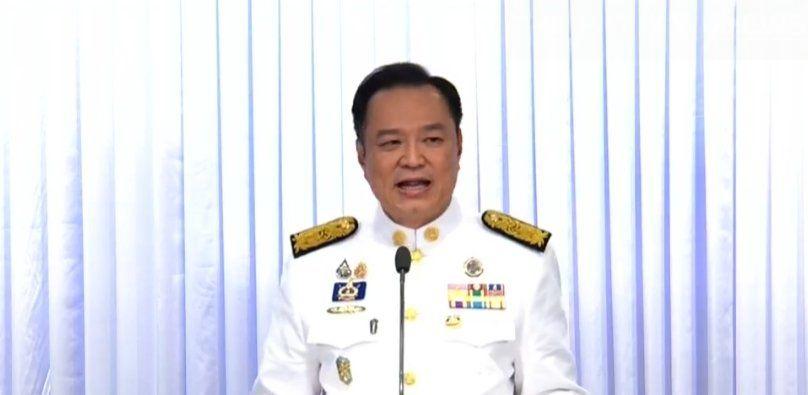
This high-stakes maneuvering comes amid ongoing legal scrutiny of Pheu Thai's caretaker leadership and sets the stage for a parliamentary vote on Friday that could crown Anutin as Thailand's 32nd prime minister. The developments show the fragile balance of power in a nation still reeling from the Constitutional Court's removal of former Prime Minister Paetongtarn Shinawatra last Friday, August 29, for ethical violations related to a leaked phone conversation with Cambodia's former leader Hun Sen.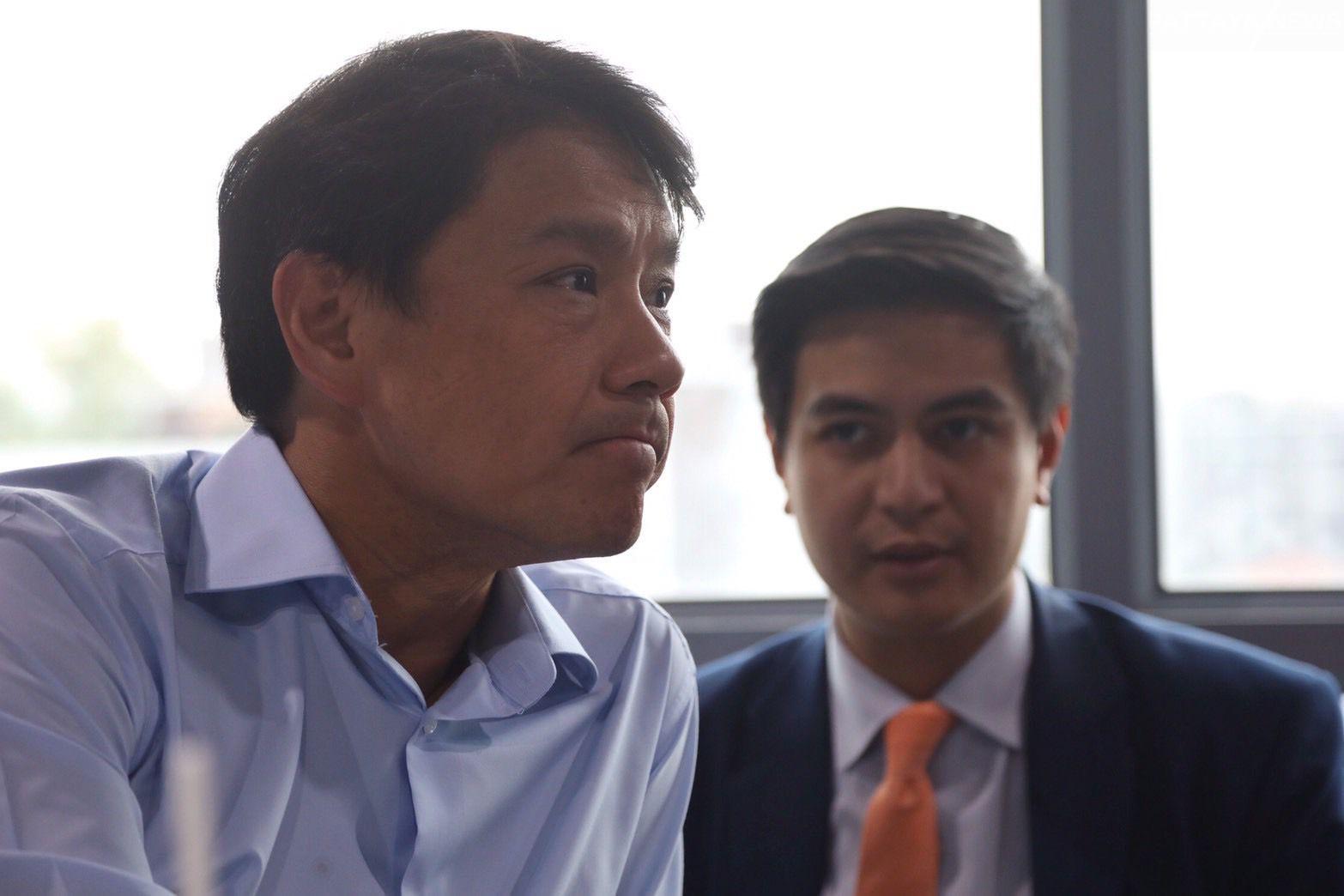 In a morning press conference at Parliament, PP leader Natthaphong Ruengpanyawut declared the party's endorsement of Anutin Charnvirakul, the 58-year-old heir to a construction fortune and former deputy prime minister. The PP, which holds 143 seats in the 500-member House of Representatives and emerged as the largest bloc in the 2023 elections, will provide "confidence and supply" support without joining the cabinet.
This backing is pivotal, as Anutin needs at least 247 votes—half of the House—to secure the premiership.The decision followed days of internal deliberations, including surveys of over 10,000 party members, and reflects the PP's strategy to break the post-Paetongtarn deadlock while advancing its core demands. Natthaphong stated that the alliance aims to prevent "interference by powerful interests outside of politics" and avoid the return of an unstable Pheu Thai-led coalition. He described the move as a "sacrifice for Thailand during a period of crises," prioritizing parliamentary democracy over ideological purity.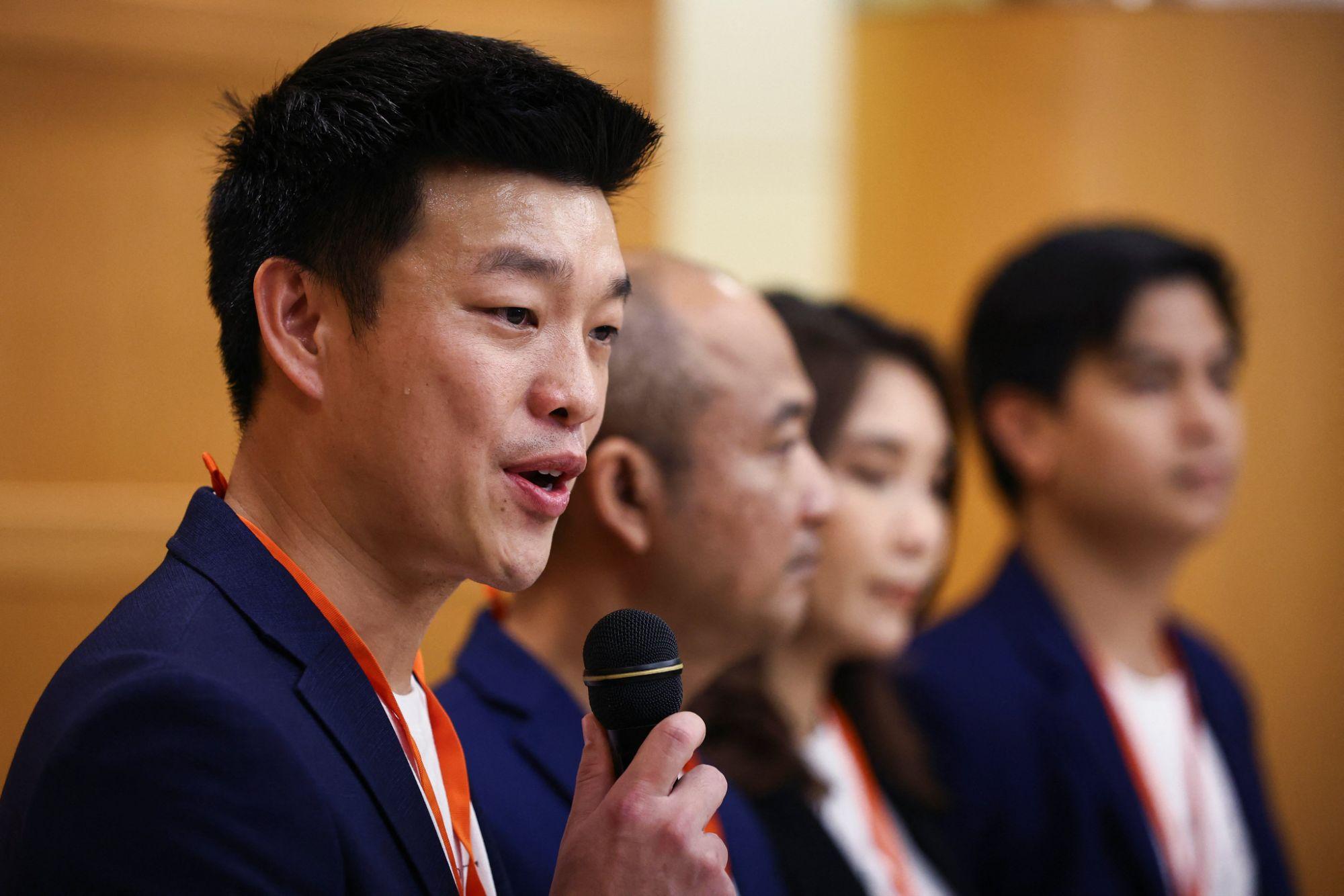 Anutin, speaking separately, expressed gratitude and confirmed he had secured commitments from seven parties and groups totaling 146 seats, including Bhumjaithai's 69 MPs, Palang Pracharath's 20, Thai Sang Thai's 6, and smaller factions. Combined with PP support, this coalition exceeds the required threshold. Bhumjaithai, which withdrew from Paetongtarn's government in June over the border dispute and cannabis policy clashes, positioned itself as a bridge-builder.
Anutin pledged to form a minority government focused on immediate priorities: Resolving the Thai-Cambodia border tensions, economic stabilization, and constitutional reforms. Some, however, also expect him to make a bid for full legalization of cannabis and push for passing final laws to prevent it being continually changed by regulation based on political whim.
The agreement, signed during the press conference, includes three binding conditions from the PP:
– Dissolution of the House within four months of the new government's policy statement to trigger snap elections.
– A referendum on amending the 2017 constitution, potentially leading to a new charter drafted by an elected assembly.
– The PP's stay in their role as opposition, ensuring rigorous scrutiny without ministerial positions.
This deal echoes earlier negotiations post-Paetongtarn's ouster, where Bhumjaithai first accepted PP terms on August 29. Analysts note that while the PP's progressive roots clash with Bhumjaithai's conservative push, the alliance prioritizes short-term stability over long-term governance.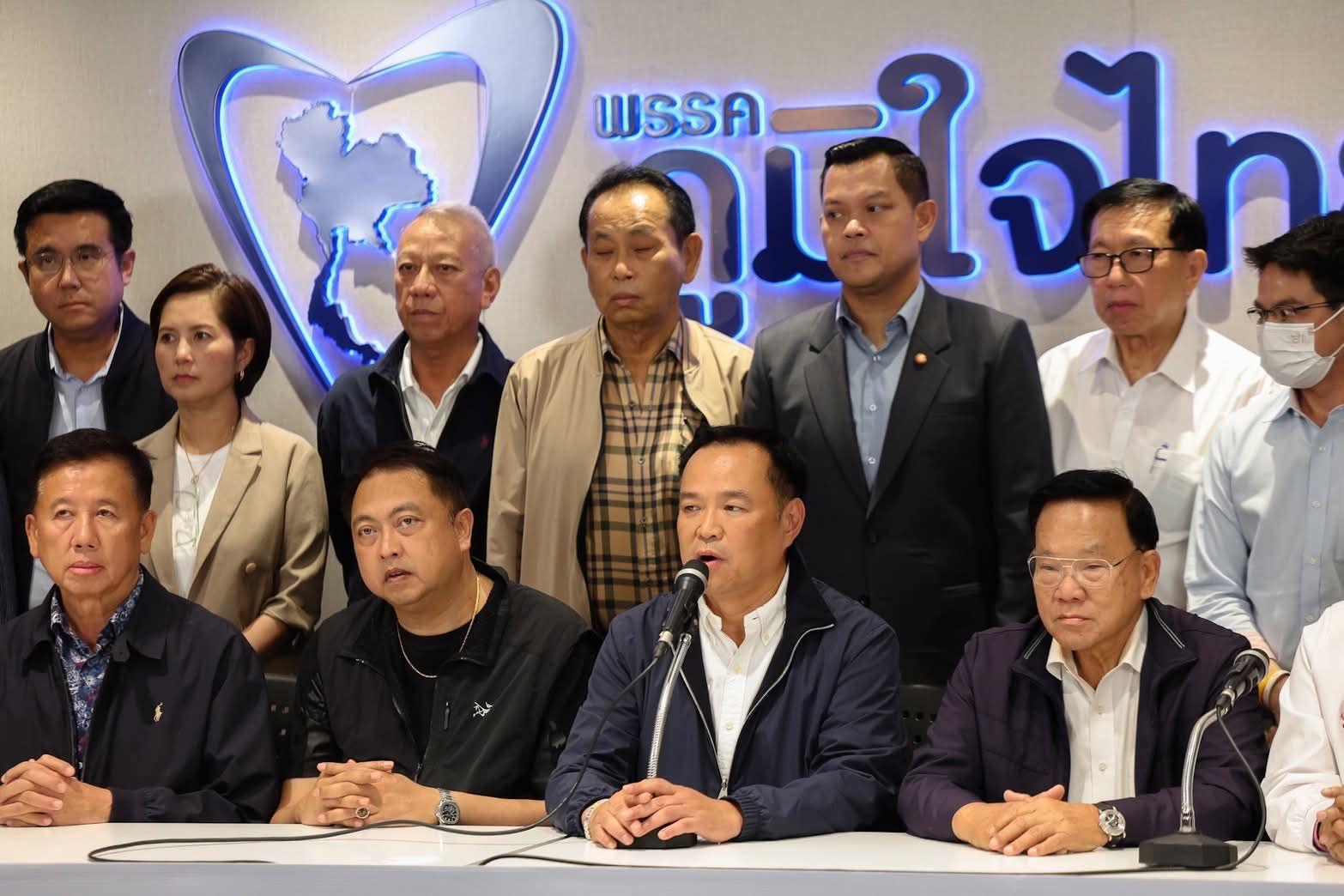 Just hours after the PP's announcement, Pheu Thai secretary-general Sorawong Thienthong revealed that acting Prime Minister Phumtham Wechayachai had submitted a dissolution decree to His Royal Majesty the king on Tuesday night, August 29th, seeking royal approval for snap elections within 45-60 days. Phumtham, who assumed the role after Paetongtarn's suspension on July 1st and dismissal on August 29, framed the move as a return of power to the people amid "chaotic" fragmentation.Pheu Thai, with 141 seats, argued that Anutin's proposed minority government—lacking a stable majority—would increase economic woes, including sluggish growth projected at 2.3% for 2025.
Sorawong insisted a caretaker prime minister holds dissolution authority, citing constitutional ambiguities and past precedents. The party, led behind the scenes by Thaksin Shinawatra, views the dissolution as a firewall against losing influence, especially after hemorrhaging coalition partners like Bhumjaithai.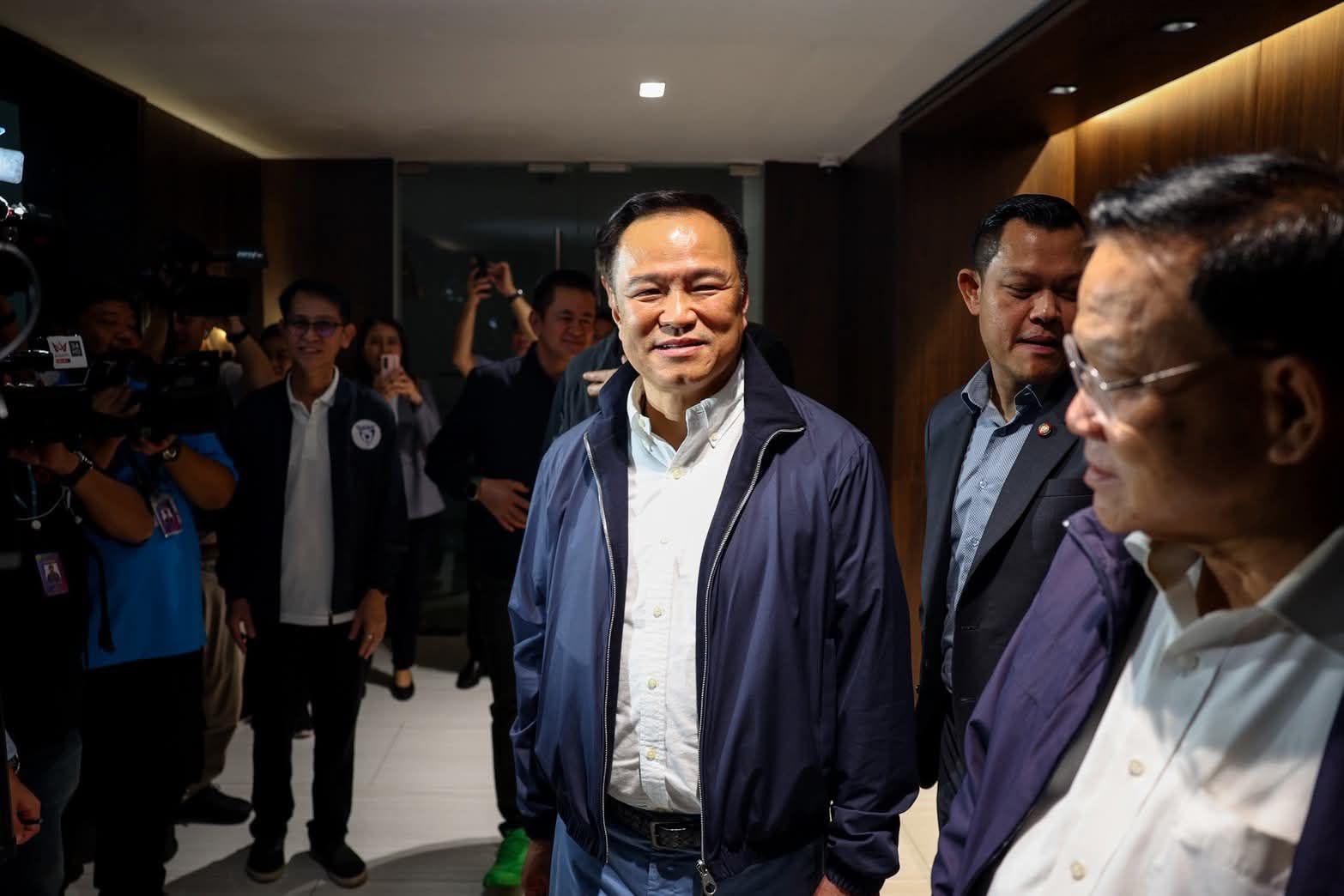 However, the bid appears set to fail. Legal experts are divided, but the government's own Council of State adviser, secretary-general Pakorn Nilprapunt, opined on August 30th that a caretaker lacks such powers, aligning with constitutional scholars like former judge Charan Phakdeethanakul. Pro-government voices, including Pheu Thai deputy leader Chusak Sirinil and Thammasat University lecturer Worachet Pakeerut, counter that no explicit ban exists, leaving the decision to royal prerogative. Yet, with the PP's support tilting toward Anutin and parliament scheduled for a special session September 5th—including a PM vote on Friday—the dissolution faces procedural hurdles. As of press time, the dissolution attempt reportedly already failed due to legal questions, with Pheu Thai stating willingness to become opposition.
Phumtham warned that the PP-Bhumjaithai pact creates a "three-way split" with Pheu Thai in opposition, risking instability. Critics, however, accuse Pheu Thai of politicizing the monarchy by invoking royal approval in a bid to cling to power. Compounding the crisis, legal pressures mounted against Pheu Thai's interim administration. A list MP and activist filed a lèse-majesté complaint against Phumtham today, alleging his dissolution request misused the monarchy as a "political tool," violating Section 112 of the Penal Code. The complaint, submitted to police, claims Phumtham overstepped his caretaker authority, potentially breaching ethical standards.
Additionally, serial petitioner Srisuwan Chanyuan urged the National Anti-Corruption Commission (NACC) to probe Phumtham for ethical violations in submitting the decree, citing Council of State guidance. The NACC had already launched a preliminary investigation into Paetongtarn's ethics breach, which led to her ouster—a case rooted in her June phone call appearing deferential to Hun Sen amid border clashes that killed soldiers. Also, Palang Pracharath MP Ruangkrai Leekitwattana petitioned the Election Commission on September 2nd to dissolve Pheu Thai entirely, echoing earlier probes into the party's alliances.Parliament's secretary-general confirmed a special session September 3-5, with a prime ministerial vote slated for Friday, September 5. Anutin, eligible under 2023 nomination rules, emerges as the frontrunner. His coalition, bolstered by PP's 143 votes, promises a four-month interim term focused on security, economy, and reforms—potentially averting deeper deadlock.
 Pheu Thai's Chaikasem Nitisiri, 77 and a Thaksin loyalist, remains their sole candidate but lacks the numbers without PP support. Analysts like Chulalongkorn University's Stithorn Thananithichot predict Anutin's win could stabilize the interim but risks fragility if dissolution conditions falter. Public sentiment, per recent polls, favors elections, with PP's popularity showing youth frustration over stalled reforms.
With economic stakes high—tourism rebounding but growth lagging—the outcome will test whether alliances endure or fracture further.

 PIN IT