BANGKOK — On November 8th, 2025, Thailand ushered in an overhaul of its alcohol regulations with the enforcement of the Alcoholic Beverage Control Act (No. 2) B.E. 2568 (2025), commonly known as ABCA No. 2. Published in the Royal Gazette on September 9th with a 90 day window to becoming codified, this amendment marks the most substantial revision to the nation's alcohol framework since 2008, aiming to tighten controls on marketing, advertising, and consumption while introducing steeper penalties for violations.
However, as the law takes effect amid the peak tourism season, it has ignited a firestorm of controversy. Businesses are scrambling for clarifications, entertainment districts face renewed scrutiny over late-night operations, and fears are mounting that unwary tourists could bear the brunt of on-the-spot fines especially from possibly corrupt officials. At the same time, ongoing proposals to liberalize certain restrictions and regulations signal a potential pivot toward tourism-friendly reforms.
Key Provisions of the New Act: A Crackdown on Consumption and Promotion
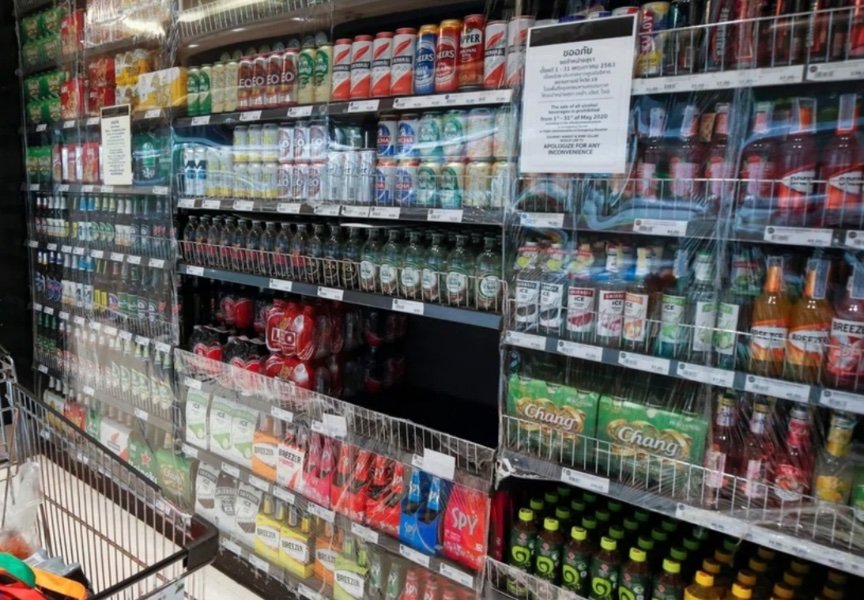
The ABCA No. 2 builds on the original 1972 legislation, which banned alcohol sales at most retail outlets and supermarkets between 2 p.m. and 5 p.m. to allegedly curb daytime workplace drinking (especially at government offices) and accidents. While that core restriction remains, (For now, more below) the amendments shift significant responsibility onto consumers. For the first time, individuals caught drinking or being served alcohol during prohibited hours—now including midnight to 11 a.m.in some contexts—or in banned locations (such as temples, schools, or public transport) face fines starting at 10,000 baht (approximately $300 USD), with potential escalations to 100,000 baht or short jail terms for repeat offenders. Businesses risk even harsher penalties, up to 500,000 baht, for facilitating violations.
The law also clamps down on marketing tactics deemed to "induce consumption." Broadly defined "marketing communications" now encompass any direct or indirect promotion, including sponsorships, social media posts by influencers, and other vague activities that could subtly glamorize alcohol. Exceptions are narrow: Factual or educational content authorized by the Ministry of Public Health is permitted, but using brand logos on non-alcoholic products or tying promotions to public events is explicitly forbidden. This is already being fought by several major alcohol companies who have traditionally used soda water or other non alcoholic products to promote events with their brand name.
These changes, effective immediately, reflect Thailand's dual priorities: safeguarding public health—where alcohol contributes to thousands of annual road fatalities and productivity losses—while nodding to economic realities. As one legal expert from Baker McKenzie noted in a pre-enforcement analysis, "ABCA No. 2 updates and tightens Thailand's alcohol regulatory regime."
Businesses Seek Clarity from the Prime Minister Amid Implementation Chaos
The rollout has been anything but smooth, with hospitality and retail sectors voicing frustration over ambiguities in the new rules. In Thai media outlets reports highlight a surge in appeals from business associations urging Prime Minister Anutin Charnvirakul to intervene as the busiest tourism part of the year begins.
"The law is confusing and counterproductive," lamented a Bangkok restaurant operator in an associated media interview, pointing to scenarios where patrons who order drinks legally before 2 p.m. but linger past the cutoff could still be penalized, along with concerns that unscrupulous law enforcement would specifically target foreign tourists presumed to have money and unaware of the rules to pay fines. Industry groups, including the Thai Restaurant Association, have formally petitioned the PM's office for guidelines on enforcement, fearing a 50% drop in afternoon sales could cripple recovery from pandemic-era losses. The Pattaya Nightlife Business Association, led by Lisa Hamilton, has taken the controversial law to the Senate, asking for codified exceptions and regulations for tourist zones.
These pleas echo broader economic anxieties. Thailand's tourism sector, which accounts for nearly 20% of GDP, is bracing for the "Amazing Thailand Grand Tourism and Sports Year 2026" campaign. Yet, with high-season arrivals from Europe and Australia ramping up, operators worry the fines will deter casual imbibing as international media begins to pick up the story. As Business Today reported on November 8th, "Restaurant owners say the changes could harm their business," with some estimating halved alcohol revenues during peak lunch hours. The PM's office has acknowledged the concerns, promising a review within a few weeks, but for now, businesses are left navigating a patchwork of local interpretations.
Entertainment Zones Under the Microscope: The 4 a.m.Rule Faces Pushback
In bustling entertainment hubs like Bangkok's Khao San Road, Pattaya, and Phuket's Patong Beach, the spotlight has turned to closing times. Under existing zoning rules (not laws) tied to the Entertainment Places Act of 1966, licensed venues in designated tourist areas can operate until 4 a.m., while others must shutter by 2 a.m. The new ABCA No. 2 doesn't directly alter these hours but amplifies scrutiny: venues serving past legal limits now risk not just license revocation but joint liability with patrons for fines. This has prompted outcry from bar owners, who argue the "4 a.m. rule" is under threat from overzealous inspections or officials deciding to fine large groups of unsuspecting tourists. Meanwhile, some anti alcohol groups claim the new amendment bans the sale of alcohol entirely after midnight and the later hours of opening should only be to allow a venue to stay open but not sell or consume alcohol. Hospitality businesses of course say this would be ridiculous as alcohol during these hours is their main product. The Thai Alcoholic Beverage Control Department simply has said this is an amendment, not a new law, and that times remain the same. Regardless, business owners want clear clarity from the government to avoid possible unjust fines.
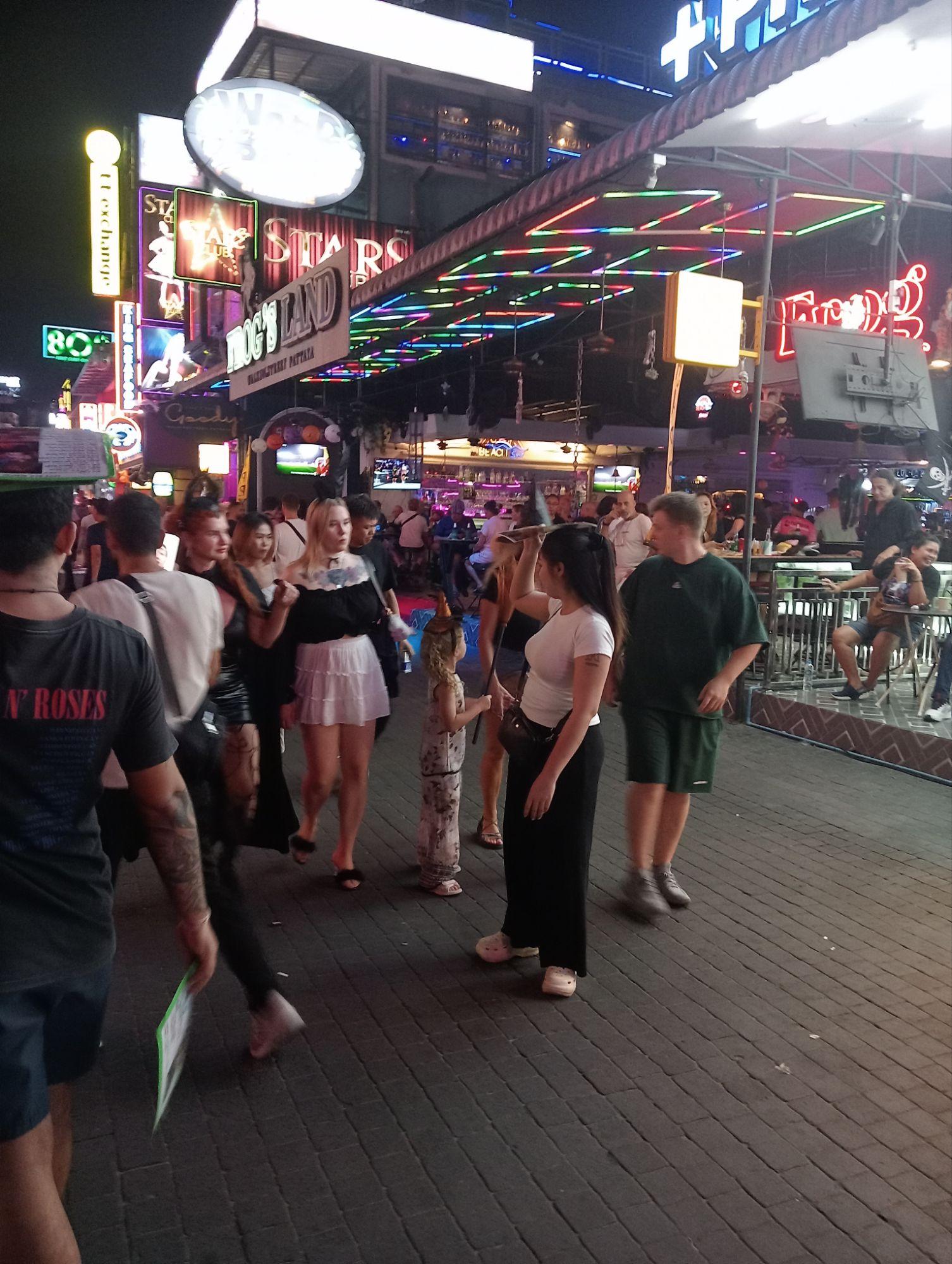
Thai-language coverage in Matichon and Thai PBS describes a "backlash wave" with venue associations decrying the policy as a "tourism killer". One Phuket operator told the Thai media "Extending to 4 a.m. was meant to compete with Singapore and Bali—now it's all at risk. If we are forced to stop selling alcohol at midnight tourists will go elsewhere."
Anti-alcohol NGOs, however, unsurprisingly, applaud the scrutiny, rallying against further extensions or any codification of legal later drinking hours, even in tourist areas, to 4AM. A coalition of drunk-driving victims and health advocates protested at Government House on October 23rd, warning that nationwide 4 a.m. allowances could spike accidents by 25%, citing data from pilot programs in Chon Buri and Chiang Mai. They are also against proposals to end the afternoon alcohol sales ban, claiming it will cause widespread drinking at work and accidents.
Official Stance: Alcohol Control Department's Call for Compliance
The Department of Provincial Administration (DOPA), under the Ministry of Interior and tasked with enforcing the ABCA, has issued measured statements ordering every province and leader to focus on education over punishment. In a November 8th press release translated from Thai, department director Thira Watcharapranee stressed, "The amendments promote responsible consumption to protect public health, but we will prioritize awareness campaigns in tourist areas without resorting to immediately fining tourists." DOPA verified the 10,000-baht consumer fines as a "necessary deterrent," shifting from vendor-only penalties to build personal accountability. Officials plan intensified patrols in hotspots like Sukhumvit and Silom, with on-site seizures and fines, but exemptions for hotels, international airports, and certified tourist venues remain intact. However, the exact definition of a certified tourist venue is legally shaky which also concerns business owners.
Critics, including opposition MP Taopiphop Limjittrakorn, lambast the approach as "pandering to anti-alcohol lobbies," arguing it ignores global norms where 24/7 sales thrive without catastrophe like anti-alcohol NGOs claim locally.
Tourist Fears: A $300 Sting in Paradise?
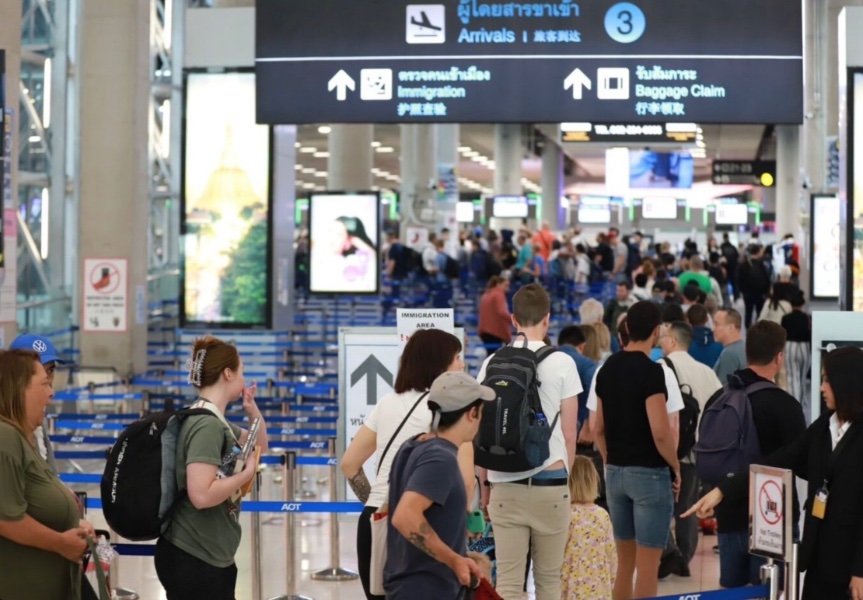
For the millions of visitors flocking to Thailand's beaches and bars, the new rules evoke dread of "tourist traps." Social media is ablaze with warnings with expats and influencers sharing tales of hypothetical fines for "innocent" sips. Travel and Tour World reported on November 7th that "tourists may be fined simply for holding an alcoholic beverage," even if ordered legally, amplifying perceptions of selective enforcement. In Khao San Road's backpacker scene, where afternoon beers are de rigueur, operators predict a chill on spontaneous revelry.
On the other hand, many calmer voices on social media predicted the amendment would be ignored or not enforced at all, especially in tourist areas, claiming that allegedly many other laws on the books are also not enforced strictly. They called for people to stop freaking out and relax.
Looking Ahead: Proposals for Ditching the Afternoon Ban and Codifying 4 a.m. Closures
Amid the uproar, glimmers of reform persist. Earlier in 2025, the Prime Minister ordered a February review of the 2-5 p.m. ban, heeding business pleas for tourism boosts. By October, New PM Anutin Charnvirakul floated ministerial regulations to scrap zoning limits, allowing uniform 4 a.m.closures nationwide and lifting the afternoon prohibition outright—a move projected to inject 8.7 billion baht into nightlife revenues. These proposals, under parliamentary debate since March, aim to "align with international norms" while mandating stricter DUI penalties and age checks. These are later proposals than the existing amendment that had already worked through Thailand's law system over the course of several years under prior regimes, and would change things once again.
Health advocates decry the push as reckless, but proponents like the Khao San Business Association hail it as overdue modernization. As Thai PBS noted in Thai dispatches, "Ongoing talks could see changes by mid-2026," balancing economic revival with safety nets like late-night cultural alternatives. However, for now, the current amendment is technically on the books. It remains unclear how well it will be enforced, if at all, and with the government itself calling for education versus punishment, especially with foreign tourists, is a sign of the direction so far.
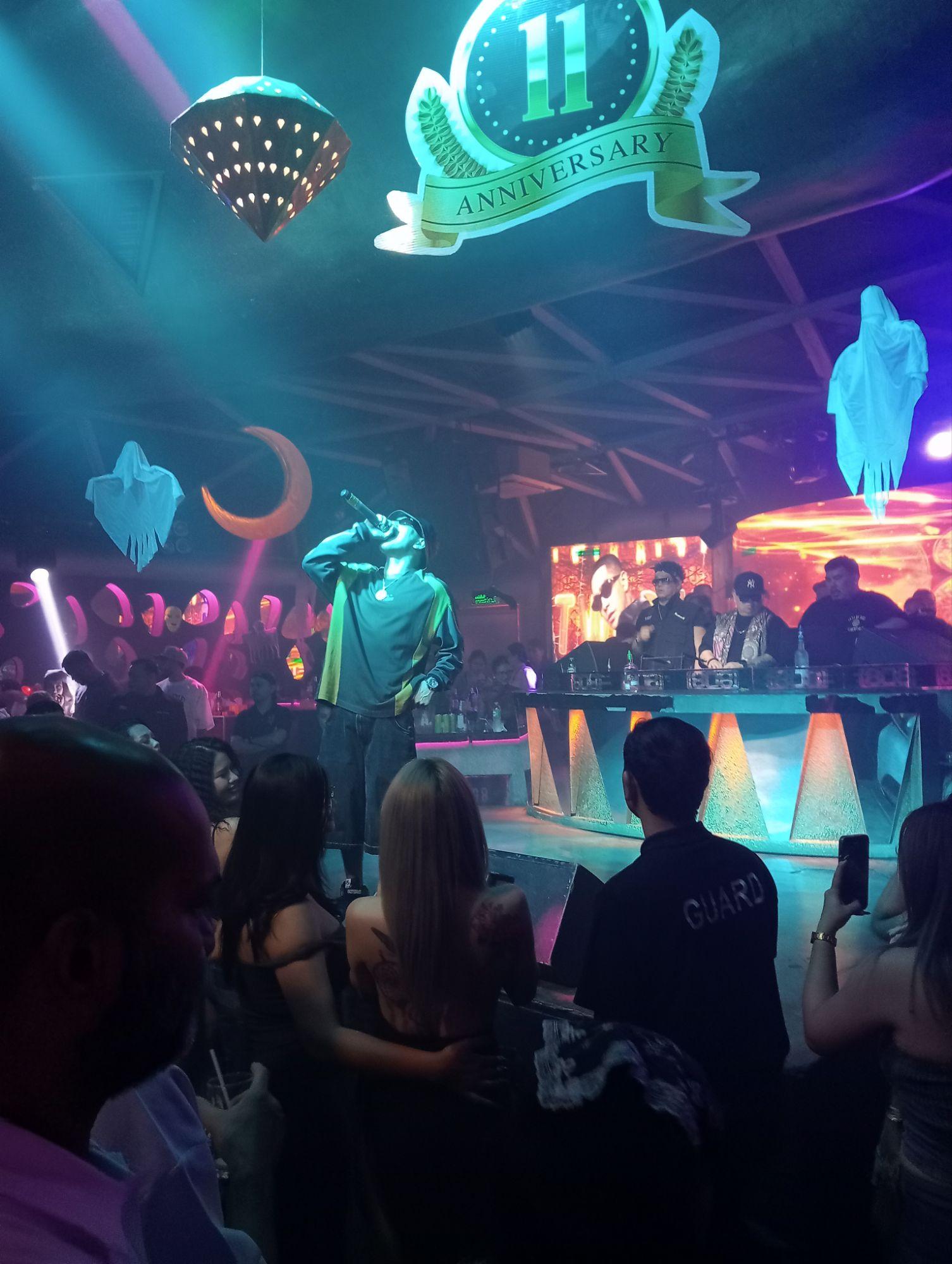
Photos: Recent shots and tourist events in Pattaya by Adam Judd for The Pattaya News