
The Cambodia-Thailand border dispute is a long-standing issue rooted in historical territorial claims, colonial-era mapping, and nationalist sentiments. The conflict, centered around areas like the Preah Vihear Temple and other border regions, has flared up periodically, with the most recent escalation occurring in May and June of 2025. This article provides a clear and factual overview of the dispute's history, what triggered the latest tensions, and the situation as of June 8, 2025, for readers unfamiliar with the topic.
Historical Background
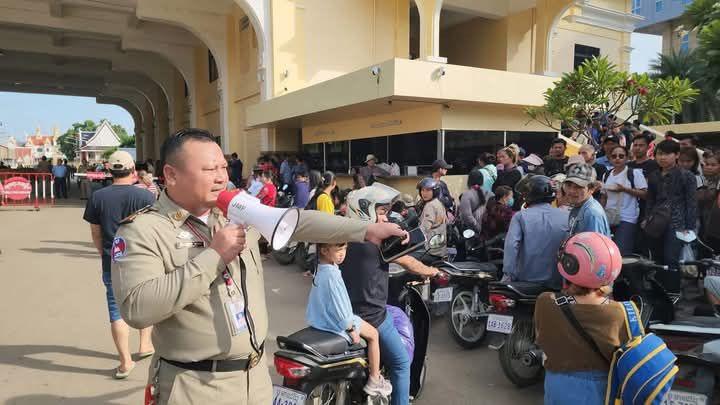
The Preah Vihear Temple, an 11th-century Khmer Hindu temple in the Dângrêk Mountains, is at the heart of the dispute. Built during the Khmer Empire, which once controlled parts of modern Thailand and Cambodia, the temple's ownership has been contested due to its cultural and historical significance. In 1962, the International Court of Justice (ICJ) ruled that the temple and a small surrounding area belong to Cambodia, a decision Thailand disagreed with and continues to dispute regarding adjacent lands. The ICJ reaffirmed this in 2013, ordering Thai troops to withdraw from the area. However, believing the ICJ is biased to Cambodia, due to the France involvement, Thailand has essentially not recognized their authority or jurisdiction since 1960.
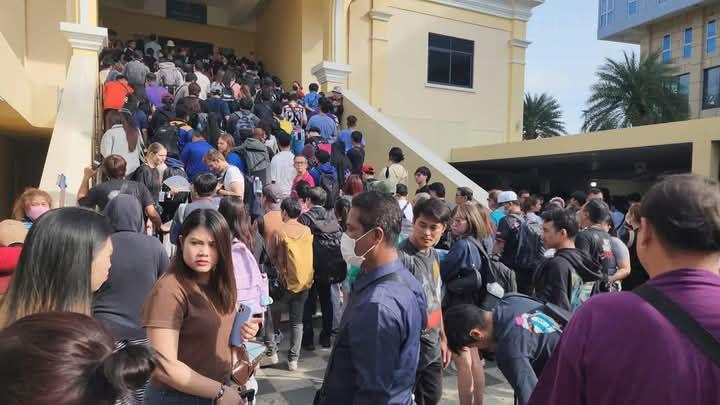
Tensions escalated significantly in 2008 when Cambodia successfully registered Preah Vihear as a UNESCO World Heritage Site, prompting Thai protests and military buildup. Between 2008 and 2011, clashes in the region killed around 40 people, including civilians, with a notable weeklong artillery exchange in 2011. Despite a 2000 Memorandum of Understanding establishing a Joint Boundary Commission (JBC) to resolve border issues peacefully, progress has been slow, with only 13 of 24 border segments demarcated as of 2022.
What Triggered the Latest Conflict?
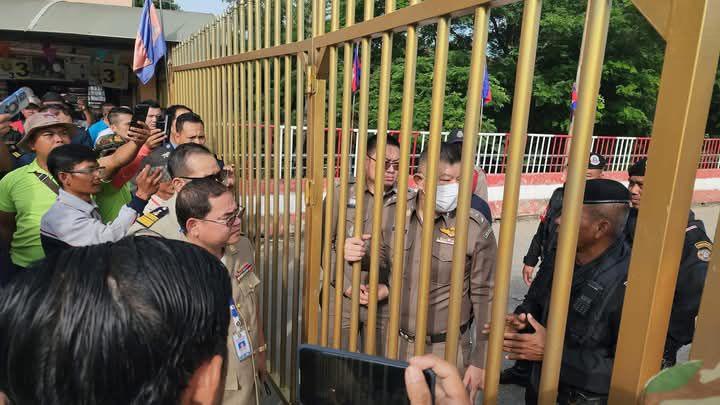
This incident followed earlier tensions in February 2025, when Cambodian troops and their families entered the Ta Moan Thom temple, sang the Cambodian national anthem, and clashed verbally with Thai forces. Additionally, Thai sources reported that Cambodian soldiers burned a Thai-built pavilion in the Chong Bok area in March 2025, further escalating friction. These events, combined with ongoing disagreements over undemarcated border areas, set the stage for the May clash.
Current Situation (June 8, 2025)
As of June 8, 2025, the situation remains tense but has not escalated into large-scale conflict. Both countries have reinforced their military presence along the disputed border, with Thailand citing "worrisome" signs of Cambodian military buildup. The Thai military has stated it is prepared for a "high-level operation" to defend its sovereignty, while Cambodia stresses its defensive stance and commitment to international law.

Cambodian Prime Minister Hun Manet has called for calm and respect for international legal frameworks, while Thailand's Prime Minister Paetongtarn Shinawatra has expressed a commitment to peaceful resolution despite domestic pressures from nationalist groups.
On June 7, 2025, Thailand closed two border crossings to tourists as a safety measure, tightened hours at six others, and banned six-wheeled vehicles at some checkpoints, though trade and worker crossings remain unaffected. Social media posts reflect heightened nationalist sentiments, with images of military exercises circulating, but both governments continue to pledge peaceful resolutions.
Key Points to Understand
Historical Context: The dispute originates from colonial-era mapping and competing claims over culturally significant sites like the Preah Vihear Temple, awarded to Cambodia by the ICJ in 1962 and 2013, though Thailand disputes surrounding areas.
Recent Trigger: A May 28, 2025, clash in the Chong Bok/Morokot village area, resulting in a Cambodian soldier's death, reignited tensions, fueled by earlier incidents like the February 2025 Ta Moan Thom event.
Current Status: Both nations are reinforcing troops but engaging in diplomatic talks, with a JBC meeting planned for June 14. Cambodia seeks ICJ intervention, while Thailand favors bilateral solutions, and border crossings face restrictions.
The Cambodia-Thailand border dispute remains a complex issue driven by history, nationalism, and unresolved territorial claims. While both sides express a desire for peace, the risk of further clashes persists due to the sensitive nature of the disputed areas.


Inga kommentarer:
Skicka en kommentar