fredag 1 augusti 2025

ASEAN Foreign Ministers Back Peaceful Resolution to Thai-Cambodian Tensions, Support Ceasefire Monitoring - Thai Enquirer Current Affairs

ASEAN Foreign Ministers Back Peaceful Resolution to Thai-Cambodian Tensions, Support Ceasefire Monitoring

Listen to this story

ASEAN foreign ministers issued a joint statement following a special meeting in Putrajaya, Malaysia, chaired by Malaysian Prime Minister Anwar Ibrahim in his capacity as ASEAN Chair. The meeting focused on the ongoing situation between Cambodia and Thailand.

The ministers welcomed the outcome of the meeting and commended Malaysia's role in facilitating bilateral dialogue that led to a ceasefire agreement. They also acknowledged the United States for co-organizing the meeting and China for its active participation in supporting a peaceful resolution.

ASEAN urged both countries to resolve the issue amicably and in accordance with international law, the UN Charter, ASEAN Charter, and the Treaty of Amity and Cooperation in Southeast Asia. The bloc emphasized the importance of good faith in implementing the ceasefire and called for adherence to ASEAN principles of unity and good neighbourliness.

ASEAN also supported Malaysia's proposal to coordinate a neutral observer team of ASEAN member states to impartially monitor and verify compliance with the ceasefire.


Thailand has successfully negotiated a reciprocal tariff agreement with the United States, resulting in a substantial reduction in import duties on Thai goods from 36% to 19%, Government Spokesman Jirayu Huangsap announced on Friday (August 1). The Nation

The new rate, effective from August 1, 2025, positions Thailand competitively alongside key regional economies such as Vietnam, the Philippines, and Japan, which already enjoy similar tariff levels.

"This breakthrough deal reflects a major success for Team Thailand in securing a win-win outcome that safeguards our export base and supports long-term economic stability," Jirayu said. "It also highlights Thailand's capability to assert itself in global trade amid shifting international trade policies."

The tariff reduction was confirmed by US President Donald Trump, who announced the final list of countries subject to the new reciprocal tariff structure under the so-called "Annex I" group. Thailand's new rate of 19% marks a significant improvement from the previously announced 36%.

Other ASEAN countries also saw revised rates under the same framework:

Brunei: 25%

Cambodia: 19%

Indonesia: 19%

Laos: 40%

Malaysia: 19%

Myanmar: 40%

Philippines: 19%

Vietnam: 20%

The agreement is seen as a strategic victory for Thailand, preserving its export competitiveness in the US market while avoiding the harshest tariff penalties imposed on some of its neighbours.


Thailand's Future at Risk: Education and Job Woes Loom. Thailand's development faces a critical test, as a recent report highlights alarming issues in education, health, and job readiness. ASEAN NOW

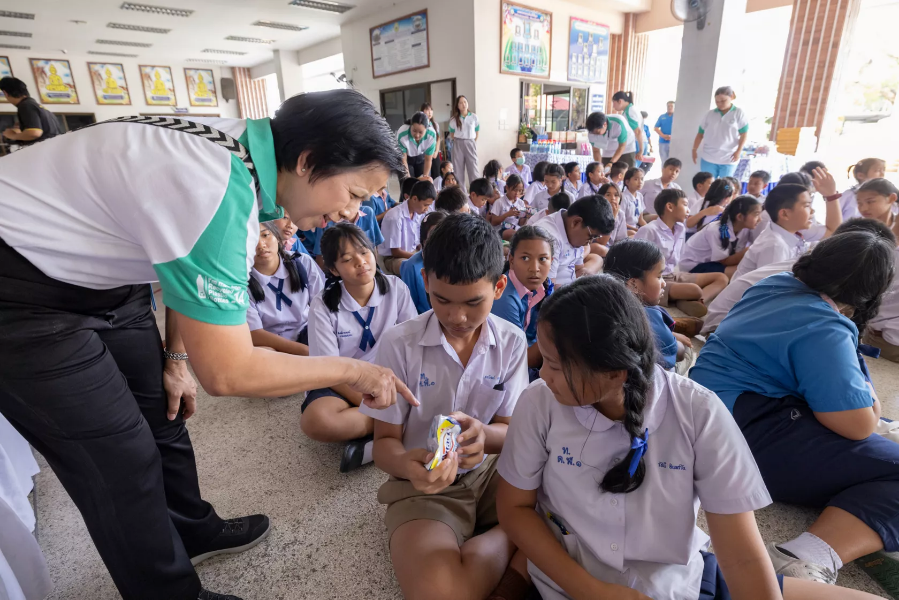
File photo for reference only


Thailand's development faces a critical test, as a recent report highlights alarming issues in education, health, and job readiness. The Human Capital Development in Thailand report, jointly released by the National Economic and Social Development Council (NESDC), UNICEF, and the Thailand Development Research Institute (TDRI), signals that the nation's long-term economic prospects may be jeopardised without urgent intervention.


Despite widespread access to basic services, the report reveals that many Thai children lack essential skills, health, and support. Kyungsun Kim, UNICEF Representative for Thailand, emphasised the significance of investing in youth, stating, "Thailand stands at a pivotal moment. This ambition must be matched by investment in people, especially children and youth."


One of the critical health issues noted is malnutrition, with problems such as stunting, wasting, and obesity affecting young children. Shockingly, only 75% of children aged two to nearly five years are developmentally on track, with disadvantaged families at a higher risk.


Education is another worrying area. While a majority of children complete compulsory schooling, only 42% of Grade 2 students meet the expected literacy and numeracy standards. The 2022 PISA results further highlight poor performance in maths, science, and reading, particularly in rural regions and among non-native Thai speakers.


The educational disparities extend into adulthood. Only 59% of Thais aged 25–34 have completed upper-secondary education, with young men, individuals with disabilities, and low-income youth being most prone to dropping out. Alarmingly, less than 3% of working adults receive further training, and just 39% find employment after completing courses.


Additionally, The Nation reports a concerning trend: 12.5% of young individuals aged 15–24 are not engaged in education, employment, or training, a situation most prevalent among the low-income and marginalised.


NESDC Secretary General Danucha Pichayanan commented on the workforce challenges, stating, "There are serious mismatches between education and job market needs. Investment in human capital isn't just smart—it's essential."


The report advocates for comprehensive reforms, including increased education funding, inclusive social protection, and aligning school curricula with job market demands. It also calls for greater investment in mental health and learner well-being.


Kim echoed the urgency for decisive measures, stating, "The evidence is clear, and the solutions are within reach. What Thailand needs now is bold, inclusive policy action."


As these findings underscore the urgency of the situation, Thailand's government and society face a crucial opportunity to reshape the future by prioritising human capital development. Addressing these challenges is not just vital for the nation's economic ambition but for building a robust, inclusive society.


  Adapted by ASEAN Now from The Thaiger 2025-07-31


torsdag 31 juli 2025

Ceasefire Fails to Reassure Foreign Tourists Amid Thai Border Violence. Thailand’s tourism sector faces turmoil as border clashes with Cambodia continue to escalate. Despite a ceasefire agreement on Sunday, the Royal Thai Army reported further attacks in contested areas as recently as Wednesday, putting the travel plans of foreign tourists at risk. ASEAN NOW

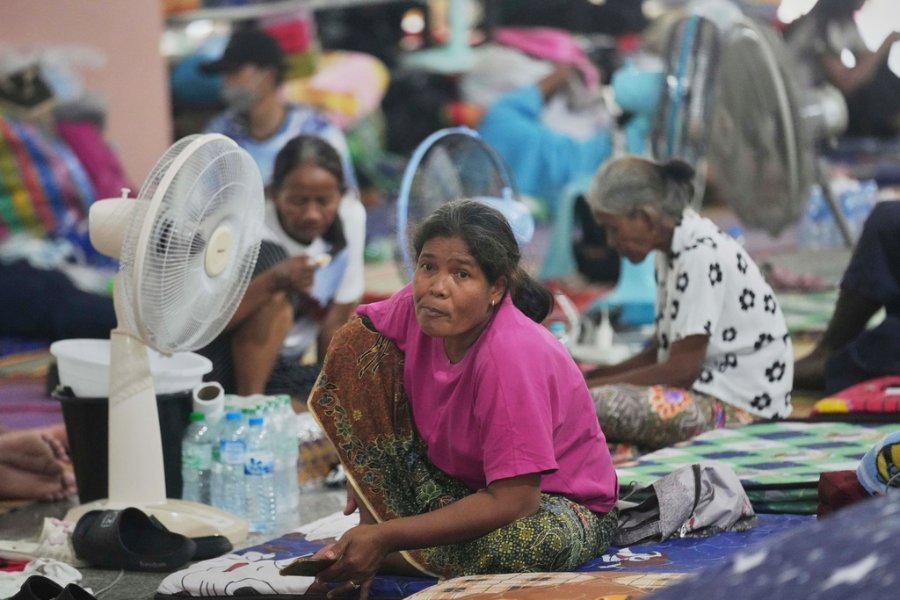
Thai residents who fled homes following the clashes between Thai and Cambodian soldiers rest at an evacuation centre in Surin province, Thailand, Wednesday, July 30, 2025. (AP Photo/Sakchai Lalit)


Thailand's tourism sector faces turmoil as border clashes with Cambodia continue to escalate. Despite a ceasefire agreement on Sunday, the Royal Thai Army reported further attacks in contested areas as recently as Wednesday, putting the travel plans of foreign tourists at risk.


The Foreign Affairs Ministry confirmed that Thai military positions at Phu Makua were targeted by Cambodian forces using small arms and grenades late Tuesday.


The ongoing violence, happening just a day after the ceasefire, highlights the struggle authorities face in maintaining peace.


Teerasak Tanavarakul, head of research at CGS International Securities, expressed concerns over the situation. He warned that if fighting does not cease within two weeks, foreign and local tourists might fear for their safety and question the ceasefire's validity.


Such an outcome could impact confidence significantly, especially if the General Border Committee meeting scheduled in Cambodia on August 4 does not occur.


Maybank Securities, based in Kuala Lumpur, described the current border situation as an "uneasy peace." The neighbouring countries' economic interdependence is notable: Cambodia relies on Thailand for trade, fuel, and tourists, while Thailand benefits from Cambodian labourers, officially numbering half a million but possibly up to 2 million and accounting for nearly 5% of Thailand's workforce.


If the ceasefire holds, the conflict's economic impact is expected to subside over the next two months. However, sectors such as tourism, retail, and air transport could feel the strain more acutely.


Maybank warns that if the ceasefire fails for the remainder of the year, Thai GDP might shrink by 0.7 percentage points and Cambodian GDP by 2 percentage points in the latter half of 2025.


In summary, the situation remains tense as both nations strive for stability. The tourism sector, a vital component of Thailand's economy, anxiously awaits resolution as the implications of prolonged conflict loom large.


  Adapted by ASEAN Now from Bangkok Post 2025-07-31


onsdag 30 juli 2025

Summary of Press Briefing on the Thailand-Cambodia Border Situation on 30 July 2025 by the Minister of Foreign Affairs. NNT Thailand

Summary of Press Briefing on the Thailand-Cambodia Border Situation on 30 July 2025

by the Minister of Foreign Affairs

1. Thailand's measures in response to violations of the ceasefire agreement by Cambodian forces
Since the time of the ceasefire agreement between Thailand and Cambodia from 00.00 hrs. on 28 July 2025 until the morning of 30 July 2025, Thai security agencies have clear evidence that the Cambodian side has flagrantly violated the ceasefire agreement on multiple occasions and in various areas. These violations include the use of small arms fire and grenade assaults launched into Thai territory, as well as reinforcement of troops in Cambodian-controlled areas.

Thai security agencies have also founded further violations of the ceasefire agreement by the Cambodian side. In response, the Ministry of Foreign Affairs issued a formal statement addressing these violations. This was carried out in parallel with a press conference by the Royal Thai Army, as well as an official statement released by the Thai Armed Forces.

Thailand takes these developments seriously. Upon observing violations of the ceasefire agreement by the Cambodian side, on 29 July 2025, Thailand had submitted protest letters to Malaysia, as ASEAN Chair; to the United States and China, as witnesses to the ceasefire negotiations; and to the Secretary-General of the United Nations. The Foreign Minister also provided the media with a comprehensive briefing on Thailand's course of action regarding this matter.

On the same day, the Foreign Minister had a bilateral discussion with H.E. Mr. Bui Thanh Son, Deputy Prime Minister and Minister of Foreign Affairs of Viet Nam, and on 30 July 2025, he also had a phone call with Mr. Iwaya Takeshi, Minister for Foreign Affairs of Japan, regarding this issue. He informed and updated both Foreign Ministers on Thailand's stance and the facts on the ground. Thailand received support from both Vietnam and Japan on the measures that aim to find a peaceful solution through bilateral mechanisms.

Thailand's commitment to fully upholding the ceasefire agreement and to peacefully resolving differences with Cambodia. However, the continued and repeated violations of the agreement by the Cambodian forces reflects a lack of good faith. In this regard, Thailand calls on Cambodia to immediately cease all forms of violations and to return to full compliance with the said ceasefire agreement.

Since 28 July 2025, Thailand has remained fully committed to the ceasefire agreement without a single violation. Not even once. Thailand stands firmly by our word and implement the agreement with sincerity and good faith. For Thailand, adhering to the agreement means more than just words. It means taking consistent actions. This has always been the principle that guides our conduct.
 

2. Pressure on the Thai side to ensure the welfare of Cambodian workers
Thailand has seen the recent statement issued by the Ministry of Labour and Vocational Training of Cambodia, expressing concern over alleged intimidation, assault, and discrimination against Cambodian workers in Thailand, as well as calling on importers and consumers of Thai products to pressure Thailand to ensure decent work and non-discriminatory practices.

In this regard, Thailand affirms its respect for the rights of all migrant workers residing in the country, including Cambodian nationals. All migrant workers are treated equally and equitably under Thai law, and in accordance with Thailand's international obligations, whether under the International Labour Organizations (ILO) or the International Organization for Migration (IOM), and other relevant international human rights treaties to which Thailand is a party.

The current tension between Thailand and Cambodia is an issue between two governments not the peoples, and that Thailand does not have any policy of retaliating against Cambodian nationals living and working in the country. The government will not allow the burden of this issue to fall upon the people of either country.
 

3. The Dissemination of Misleading or Distorted Information by the Cambodian Side
Thailand expresses our deep disappointment over the disinformation campaign by the Cambodian side, particularly through the public communications of the Cambodian Ministry of Defense. This effort aims not only to conceal the facts on the ground but also to undermine Thailand's stability, credibility, and image in the international arena.

Cambodia's continued violations of the ceasefire agreement, while portraying itself as the victim to the international community, clearly demonstrate a deliberate distortion of facts. This inconsistency between Cambodia's actions and words reflects a lack of sincerity and good faith in working together to resolve the issue.

Such actions risk undermining the trust between both countries and the joint efforts to restore peace and foster a conducive environment for dialogue. They also pose a significant challenge to achieving a sustainable return to normalcy.
 

4. The role of the Royal Thai Embassies and Consulates-General in clarifying the situation along the Thailand - Cambodia border
Amid the current heightened tensions, Thai Embassies and Consulates-General around the world are actively engaging with their host countries and accredited jurisdictions to provide accurate information and clarify Thailand's position.

The Embassies and Consulates have always been consistently disseminating up-to-date and factual information regarding the situation, which includes information on what is happening on the ground and our principled positions. They have also reached out to the governments, organisations, local media, and Thai communities in different countries to ensure access to accurate information and prevent further misinformation and disinformation. This is to ensure that the international community does not only understands Thailand's stance, especially our commitment to resolving the tensions peacefully, through bilateral negotiations with sincerity and in good faith.

In addition, Thailand has 4 Permanent Missions to the United Nations (New York, Geneva, Vienna, Nairobi), the Permanent Mission to ASEAN, and various Embassies that have a role in international frameworks and organisations. These Agencies have been actively conveying Thailand's position to the world, and to highlight our constructive role and unwavering commitment to our international obligations.

Thailand reaffirms its commitment to resolving disputes through peaceful means, based on universal principles and international law. Thailand stands ready to cooperate with the international community in preserving peace and stability, and urges Cambodia to cease actions that violate the ceasefire agreement and to return to the negotiation process with sincerity and in good faith.


tisdag 29 juli 2025

What next in Thai-Cambodian border issues? - Pattaya Mail

What next in Thai-Cambodian border issues?

The hope is that the spirit of cooperation between Thailand and Cambodia is a new dawn.

EDITORIAL

There is universal relief that the first, if tiny, steps have been taken in the troublesome Bangkok versus Phnom Penh de-escalation.  The initial statement confirms an immediate ceasefire (technically from midnight), to be followed on the morning of July 29 by an informal meeting of army generals on both sides, plus possible involvement of Asean defence attaches.  There will be Asean monitoring of the ceasefire according to most recent reports in Bangkok.

A meeting of the "General Border Committee" has been set for August 4.  Whether this is the same two-nation body as the hitherto named "Joint Boundary Commission", or some kind of reincarnation with a third-party chairman, remains unclear.  This body last met in June and failed to make any progress on four areas of Emerald Triangle with their ancient and hotly disputed temple sites.

An encouraging feature of the acceptance speeches by acting Thai prime minister Phumtham Wechayachai and Cambodian premier Hun Manet was their thanks to both the United States and China in setting up the meeting.  As expected, the White House press secretary was quick off the mark in praising Donald Trump and suggesting he be given the Nobel Peace Prize.  China has yet to comment publicly about any detail.

It is clear from Malaysian prime minister Anwar Ibrahim's remarks that the 10-nation Asean bloc will operate a watching brief.  Although Asean will not be directly involved in the nitty-gritty, it will act as in a quasi-independent role which neither Cambodia nor Thailand can ignore.  Thus the mention of third party Asean defence attaches in the joint ceasefire communique is a positive sign.

But now the hard work has to begin.  There is the extremely thorny issue about procedure as Thailand believes only in two party resolution, whereas Cambodia has already referred the issue of the ancient Hindu temple of Preah Vihear to the UN's Court of International Justice in The Hague for the third time.  This now begs the question whether or not Cambodia will withdraw its request, especially as the ICJ has twice supported Cambodia over border disputes in 1962 and 2013.  If not, it is difficult to see how Thailand can accept UN-related arbitration especially as she withdrew from recognizing ICJ rulings as early as 1960.

The lines of control in some border regions are not precisely as they were two months ago.  The Thai military has expanded its territory by occupying several mountain peaks or hills very close to disputed temples, whilst Cambodia appears to have occupied some rural districts whose ownership has been unclear for over a hundred years.  A basic problem is that the two sides use different maps, some dating back to 1904 and 1907, to identify their own territory.  Thus the two parties will need to agree very precisely on the removal of artillery and the withdrawal of personnel from districts which have not yet been discussed, let alone agreed on.

Some will look to America and China to arbitrate if the territorial debates start becoming bitter again.  But neither superpower will want to wade into the quagmire.  Trump's sole interest now will be whether the agreement sticks in the context of his warnings about 36 percent tariffs on both Thailand and Cambodia.  He is not particularly close to Thailand which he has said is "drifting" towards the Chinese orbit, whilst he is intensely suspicious of China's strong influence in Cambodia which he sees as a client state of Beijing.  China won't want the inevitable regional unpopularity if she shows bias in favour of Phnom Penh.  So the best way forward is non-partisan and delicate neutrality by the Malaysian premier.

As history appears to show, many ceasefires soon break down: Israel versus Hamas or Armenia versus Azerbaijan are recent examples.  On the other hand, a 2025 ceasefire between nuclear states India and Pakistan has held well and there is always the example of the Korean peninsula which has avoided a full-blown wear since a 1953 ceasefire.  Both Thailand and Cambodia have lots in common culturally, economically and even politically. But if historical grievances, political instability and stiff pride are centerstage, the outlook is indeed dark.  Success will require compromise on both sides.  Leaders of the two countries must be determined not to repeat 33 dead, 200 injured and 300,000 displaced persons.  Next time, if there is one, will be much worse.


måndag 28 juli 2025

Thailand–Cambodia border conflict the true cost behind the bombs. While the headlines focus on the border skirmishes and political rhetoric, the true impact of the Thai-Cambodian clash lies deeper within the intricate web of regional trade, taxation policy, supply chains, and foreign investor confidence. - Pattaya Mail

Thailand–Cambodia border conflict the true cost behind the bombs

While headlines highlight border skirmishes and political rhetoric, the true impact of the Thai-Cambodian clash runs deeper — within the complex web of regional trade, taxation policy, supply chains, and foreign investor confidence.

While the headlines focus on the border skirmishes and political rhetoric, the true impact of the Thai-Cambodian clash lies deeper within the intricate web of regional trade, taxation policy, supply chains, and foreign investor confidence. As of July 24, 2025, what began as a localized military engagement has swiftly evolved into a transnational economic risk affecting not only border communities but the entire Eastern Economic Corridor (EEC), ASEAN logistics networks, and Thailand's export-import architecture.

Border Bombs, Broken Borders Logistics at Risk
The immediate economic casualty is cross-border trade. The Thai-Cambodian border sees an average of 16 billion baht in bilateral trade per month, with Surin, Sa Kaeo, and Ubon Ratchathani acting as key logistics nodes for agricultural commodities, construction materials, and consumer goods. As of now:

  • All checkpoints have been closed indefinitely, disrupting overland cargo shipments.
  • Thai SMEs relying on raw materials (e.g., timber, cassava, garments from Cambodia) now face delayed production.
  • Cambodian exporters of low-cost labor-intensive goods especially to Thai border processing zones are cut off.

This disruption may cause a 2–3% quarterly contraction in border-dependent industries if tensions continue past August.

Tax Revenue and Customs Fallout
Thailand's Customs Department collects substantial excise and import duties from overland trade with Cambodia mainly on fuel, alcohol, processed food, and machinery.

  • With cross-border movement halted, an estimated loss of 1.2–1.5 billion baht per month in customs revenue is projected.
  • VAT refund delays are expected to increase for exporters operating under AFTA and bilateral trade agreements, affecting liquidity of Thai traders.
  • Special Economic Zones (SEZs) along the border, granted incentives under BOI and IEAT regulations, face operational paralysis and possible downgrade in investment attractiveness.

Investor Confidence and Capital Flight
The Stock Exchange of Thailand (SET) experienced a minor dip on the morning of July 24, particularly in logistics, retail, and regional banking sectors. But the real risk is foreign direct investment (FDI)

  • Cambodia has increasingly been part of Thailand's "China+1" strategy, where Thai firms establish low-cost factories in Cambodia to serve as subcontracting arms.
  • Multinationals, especially in textiles and electronics, are now reconsidering Cambodian operations, while risk-averse capital may pivot to Vietnam or Indonesia.
  • Thailand's Eastern Economic Corridor (EEC), which banks on regional connectivity and multimodal logistics, now faces reputational risks as a "frontline logistics hub."

Tariff and Trade Policy Implications
Beyond physical disruption, the conflict undermines trust in long-term tariff cooperation under ASEAN Trade in Goods Agreement (ATIGA) and Cambodia-Thailand Bilateral Framework.

  • Cambodian authorities are likely to impose retaliatory import restrictions or delay cargo clearance of Thai goods.
  • Thai exporters of construction materials, processed food, and household items may lose market share to Vietnamese and Chinese competitors in Phnom Penh and Siem Reap.
  • Longer term, trade facilitation policies such as "National Single Window" integration and preferential duty waivers may be paused or revised.

Conclusion: Short-Term Volatility, Long-Term Realignment
While central banks and finance ministries may downplay the macro impact, the Thai-Cambodian conflict exposes the fragility of regional trade interdependence without robust conflict buffers. If the situation escalates beyond two weeks, Thailand risks:

  • Losing ground as a preferred hub for regional value chains.
  • A downgrade in ease-of-doing-business metrics, particularly for border-related sectors.
  • Postponement or redirection of FDI flows, especially from Japanese and Korean firms.

In a world where "geopolitical risk" is now embedded into financial modeling, the lesson is clear: bombs may explode at the borders, but the real damage detonates in spreadsheets, tax ledgers, and investor dashboards.

Victor Wong (Peerasan Wongsri)

Victor Law Pattaya/Finance & Tax Expert


Thailand and Cambodia Leaders to Meet in Malaysia for Discussions Around Border Conflict. The meeting is scheduled for tomorrow (Monday, 28 July 2025) at the Prime Minister’s Office in Kuala Lumpur. The Thai delegation will depart from the Royal Thai Air Force Base at approximately 10:30 a.m., and the meeting is set for 3:00 p.m. Malaysian time.- The Pattaya News

Thailand and Cambodia Leaders to Meet in Malaysia for Discussions Around Border Conflict

Mr. Jirayu Houngsub, Thai Government Spokesperson and Member of the Ad Hoc Centre for the Thailand-Cambodia Border Situation, revealed that the Thai Government has received an official invitation from Mr. Anwar Ibrahim, Prime Minister of Malaysia and current ASEAN Chair, to participate in a consultation on regional peace efforts.

The meeting is scheduled for tomorrow (Monday, 28 July 2025) at the Prime Minister's Office in Kuala Lumpur. The Thai delegation will depart from the Royal Thai Air Force Base at approximately 10:30 a.m., and the meeting is set for 3:00 p.m. Malaysian time.

The Thai delegation will be led by Mr. Phumtham Wechayachai, Acting Prime Minister, and include Mr. Maris Sangiampongsa, Minister of Foreign Affairs; General Nattaphon Narkphanit, Deputy Minister of Defense; Dr. Prommin Lertsuridej, Secretary-General to the Prime Minister; and Mr. Jirayu himself, as a committee member of the Ad Hoc Centre.

It has been confirmed that the ASEAN Chair has also invited representatives of the Cambodian government. Cambodian Prime Minister Hun Manet is expected to attend in person.

Mr. Jirayu went on to clarify that recent reports in certain Thai media outlets, citing anonymous sources, claiming that Thailand would agree to use Cambodia's 1:200,000-scale map in a ceasefire negotiation, are completely false and entirely unfounded. The Thai Government has consistently adhered to the 1:50,000-scale map.

"No government or individual would ever sell out their own country. At a time when the nation faces threats, spreading such misinformation must be approached with extreme caution," Mr. Jirayu added.

He also added that the upcoming consultation is intended to listen to all proposals that could contribute to restoring peace. The Thai Government remains committed to defending the nation's sovereignty and territorial integrity. Every square inch of it.

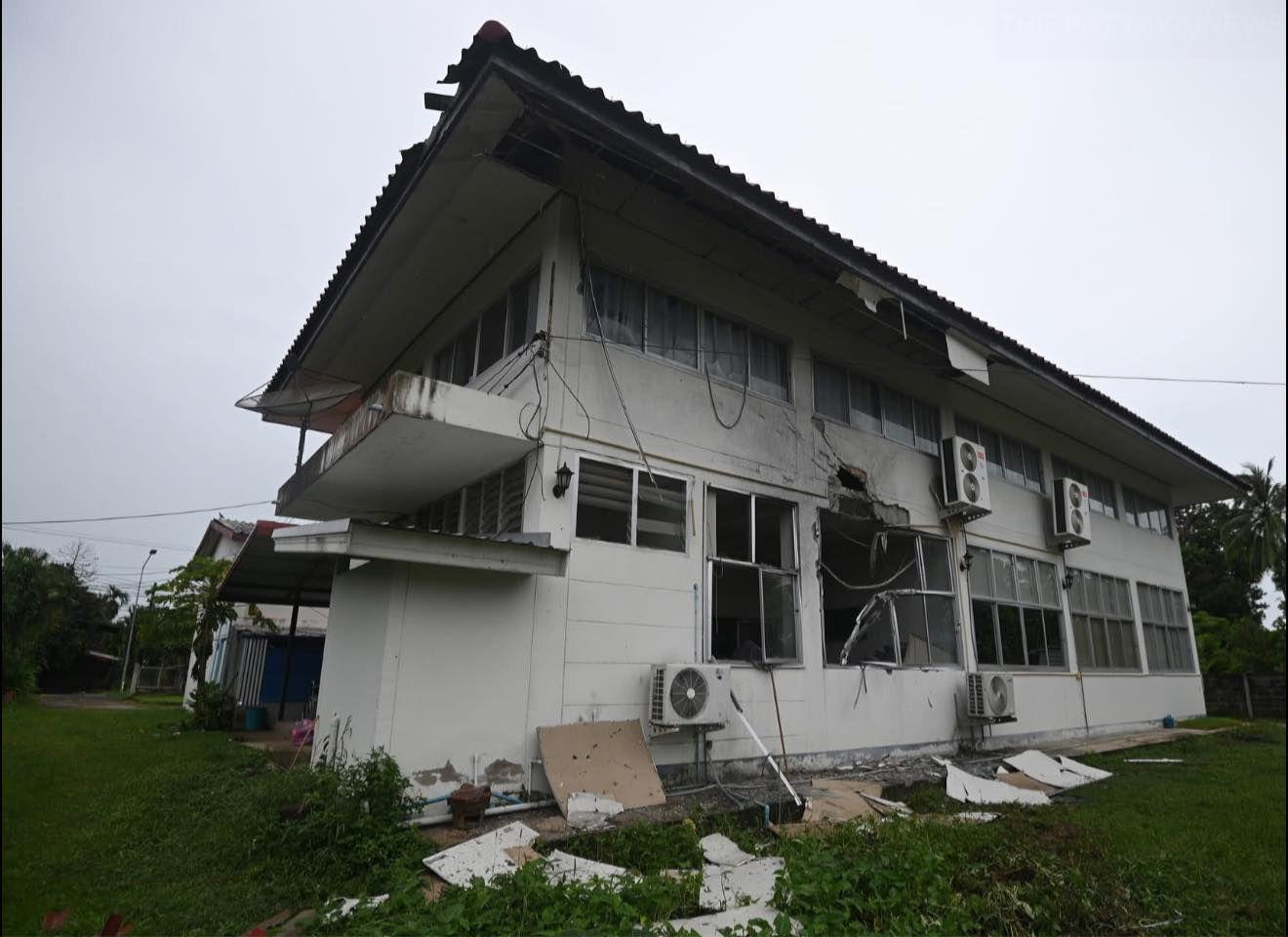
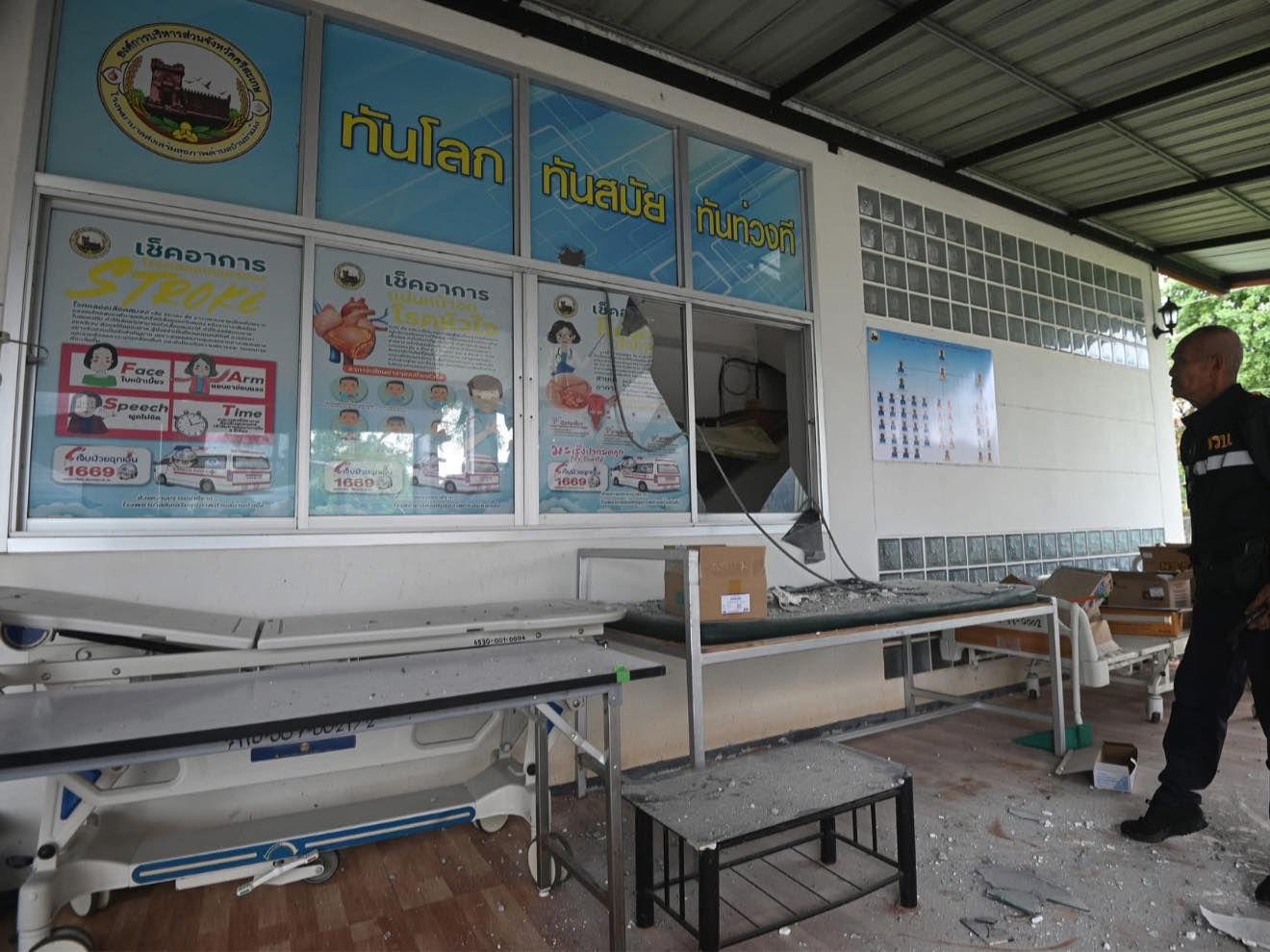
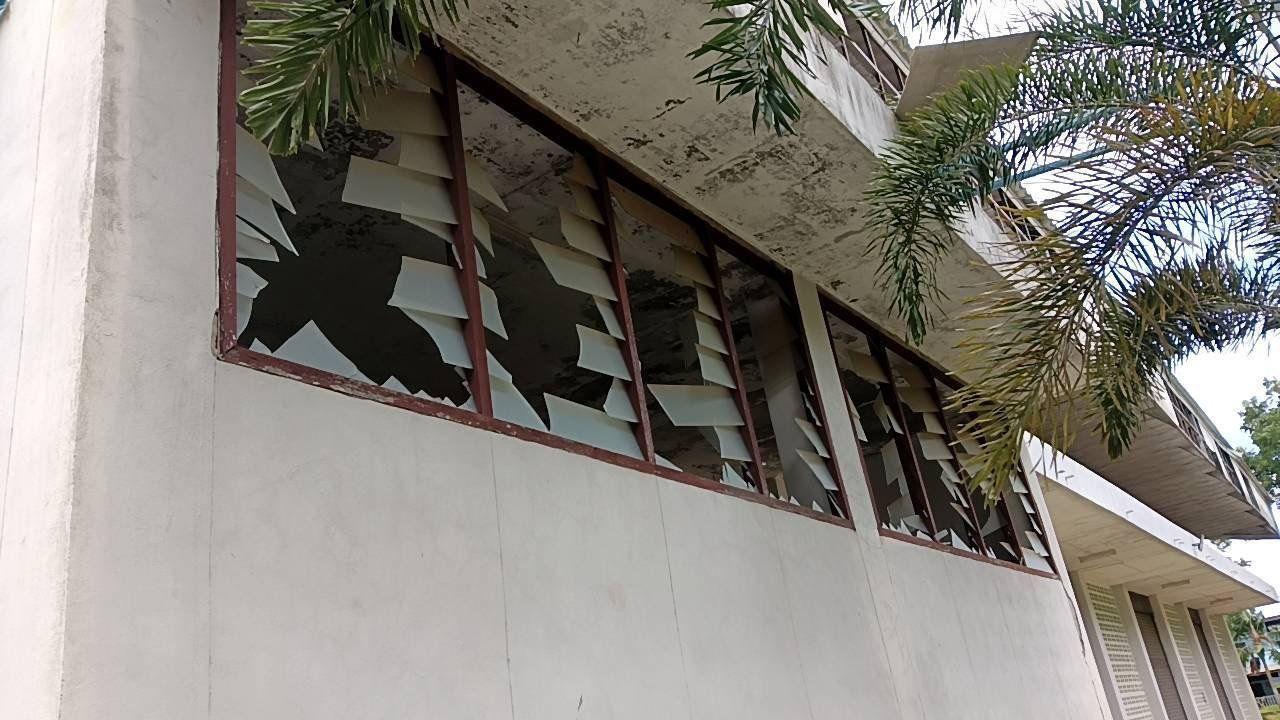
Photos: Various damage to civilian buildings from the recent conflict in Thailand. 


söndag 27 juli 2025

Bangkok Post - Pheu Thai blames scam crackdown, not family feud, for border hostilities. The Pheu Thai Party has dismissed allegations that the Thai-Cambodia border dispute stems from personal or political rivalries between the Shinawatra and Hun Sen families, instead attributing it to Phnom Penh’s dissatisfaction with Thailand’s aggressive crackdown on Cambodia-based online scam centres.

Thai blames scam crackdown, not family feud, for border hostilities
Pheu Thai Party spokesman Danuporn Punnakanta (Bangkok Post file photo)
Pheu Thai Party spokesman Danuporn Punnakanta (Bangkok Post file photo) 

The Pheu Thai Party has dismissed allegations that the Thai-Cambodia border dispute stems from personal or political rivalries between the Shinawatra and Hun Sen families, instead attributing it to Phnom Penh's dissatisfaction with Thailand's aggressive crackdown on Cambodia-based online scam centres.

Pheu Thai Party MP and spokesman Danuporn Punnakanta said on Sunday that the root of the issue lies in Cambodian leaders' discontent over Thailand's efforts to dismantle cross-border online scam operations based in Cambodia. He pointed to Phnom Penh's refusal to join a planned trilateral mechanism involving Thailand, Laos, and Myanmar to jointly tackle transnational cybercrime, claiming that it would handle the matter independently.

"It's not a conflict between individuals or political dynasties like the Shinawatra and Hun Sen families," Mr Danuporn said. "It's about the fallout from cybercrime suppression. Key figures in Cambodia are being affected, and there is growing evidence to support this."

He cited the Thai arrest warrant issued for Kok An, an alleged Cambodian scam-backer and casino owner who was reportedly close to Cambodian Senate President Hun Sen. Authorities have also frozen significant assets and are working with Interpol to pursue international legal action against those involved.

Mr Danuporn said although the situation along the Thai-Cambodian border remains tense, Thai security agencies are in full control and have put in place comprehensive measures to ensure public safety and defuse the situation.

He stressed that the government remains committed to resolving the issue peacefully through established bilateral channels. The Foreign Ministry has set up a task force to assess international impacts, coordinate with embassies, and prepare humanitarian measures should the fighting linger.

"The government places great importance on diplomacy in easing tensions, and we want the public to rest assured that we are addressing the issue on all fronts—security, military, diplomatic, and the protection of people's lives and property—all of which are top priorities for the government," said the Pheu Thai spokesman.


United Nations comes out neutral on Thai-Cambodian conflicts. The decision has been received with relief in Bangkok. Cambodia initiated the UNSC meeting held in New York on July 26 and several of the current members (5 permanent and 10 temporary) were thought to have closer ties with Cambodia than Thailand has.- Pattaya Mail

United Nations comes out neutral on Thai-Cambodian conflicts

The UN Security Council debates the ThaI-Cambodian border violence. (UN file photo)

The United Nations Security Council (UNSC) has drawn a non-partisan conclusion about the ongoing Thai-Cambodian border rows. Thai foreign affairs minister Maris Sangiampongsa, returning from New York, said the 15 UNSC members had advocated neighborly dialogue and peace, but had not issued a formal declaration nor taken sides. They had expressed support for Asean's role in enabling dialogue under the charter of the 10 grouped states in southeast Asia. But Asean is customarily very reluctant to become involved in the detail of territorial disagreements between members, many of which hark back to rulings by colonial powers 100 years or more ago.

The decision has been received with relief in Bangkok. Cambodia initiated the UNSC meeting held in New York on July 26 and several of the current members (5 permanent and 10 temporary) were thought to have closer ties with Cambodia than Thailand has. UNSC has the power actually to order a fact-finding mission, or to deploy its military forces to troubled areas or to fast-track the dispute to the International Court of Justice (ICJ) at The Hague, but has evidently not taken any such course. The ICJ in 1962 and in 2013 previously voted to endorse Cambodia's position on some border issues, especially the Preah Vihear temple, but left ambiguous ownership of surrounding land. However, Thailand had declined to accept ICJ rulings as early as 1960.

In fact, many countries have opted out of ICJ verdicts. Israel and China have both refused verdicts against their national interests, whilst the US has done so on multiple occasions. Only last week the US State Department said that an ICJ ruling that all states were obliged under international law to tackle climate change was no more than advisory. Donald Trump's administration has embraced a fossil-fuel agenda under the slogan Drill Baby Drill. The British government has also indicated it will study the international decision before deciding whether or not to accept it.

Associate professor Panitan Wattanayagorn, a security expert, said the UNSC outcome was promising for Thailand but was only the beginning of a long diplomatic struggle. Cambodia has already appealed independently to the ICJ, although the matter could take years without UN backing. The ICJ is already deluged with depressing cases including Haiti, the Congo, Syria and the Red Sea. Dr Panitan advised proactive engagements with third party countries and providing comprehensive information on Cambodia's alleged violations of Thai sovereignty. These include landmine placements, artillery shelling of hospitals, schools and civilian targets. These actions could even be classified as crimes against humanity.

Meanwhile, Thai activists at the border regions told reporters that it was obvious Cambodia had started the violence last week. Their evidence was that, whilst Thai children were at their desks when the trouble began, Cambodian youngsters had already been sent home in order to avoid any gunfire retaliation. It has also been suggested that satellite data imaging also shows that Cambodian forces attacked first, although this information was not presented to the UNSC.


”Opinion”. @Cambodianess

 Cambodianess reports on Sunday afternoon, July 27, 2025,  that the conflict between Cambodia and Thailand goes back to the 13th century, cting a Cambodian expert saying that, "following the decline of the Angkorian Empire. Thailand, as the successor to the Sukhothai and Ayutthaya Kingdoms, gradually encroached upon Khmer territory. Facing potential extinction, Khmer leaders sought French protection in the late 19th century, preserving their territory through the Franco-Siamese Treaties of 1904-1907, which resulted in the return of three provinces: Battambang, Siem Reap, and Sisophon." 
Khaosod English's Pravit Rojanaphruk initial take: This is an important admission, reflecting how history is dragging the two nations into endless conflicts and animosity.
Thailand, if you look beyond a narrow ultranationalist lense, is also an heir to the great Angkorian civilisation. We can choose our own favourite timeline to suit our nationalistic ideology, and some Thais still yearn for the days when Siam Reap, including Angkor Wat, was part of Thailand (Siam), before the French colonialists took it away from Thailand. 
While it's imperative to remember the pasts, in which we cannot change, our focus should be on how to put an end to the current senseless undeclared war between the two nations.
#Thailand #Cambodia #ThailandCambodia #ไทยกัมพูชา #ไทย #กัมพูชา

The Royal Thai Army Clarifies the Use of Cluster Munitions, Stating Consideration for Use as Necessary to Enhance Capabilities Against Military Targets Only. Regarding the Convention on Cluster Munitions (CCM), which prohibits parties from using, producing, or stockpiling this type of weapon, it is not binding on Thailand, as Thailand is not a party to that convention, similar to many other countries, such as the United States, Russia, and others.- The Pattaya News

The Royal Thai Army Clarifies the Use of Cluster Munitions, Stating Consideration for Use as Necessary to Enhance Capabilities Against Military Targets Only

Thailand-

On 25 July 2025, Major General Winthai Suvaree, Army spokesperson, clarified the case regarding Cambodia's statement about the Thai side's use of cluster munitions, stating that the Royal Thai Army will consider its use as necessary against military targets to enhance target destruction capabilities.

With cluster munitions, when the main projectile impacts the target, the submunitions contained within will detonate continuously. Such munitions are not anti-personnel landmines and have no long-term residual effects on civilians following their use.

Regarding the Convention on Cluster Munitions (CCM), which prohibits parties from using, producing, or stockpiling this type of weapon, it is not binding on Thailand, as Thailand is not a party to that convention, similar to many other countries, such as the United States, Russia, and others.

The Royal Thai Army affirms that its military operations adhere to the principle of "proportionality," whereby cluster munitions will be employed to enhance explosive destruction capabilities against military targets only.

………………………………………………………………………… Royal Thai Army Public Relations Center, Army Spokesperson Team,


lördag 26 juli 2025

Thailand’s holiday resorts unaffected by border crisis with Cambodia. Although several governments have issued travel warnings, none has advised against visiting Thailand and Cambodia. The British Foreign, Commonwealth and Development Office simply warns travellers not to go within 50 kms of the border in the at-risk provinces.- Pattaya Mail

Thailand's holiday resorts unaffected by border crisis with Cambodia

Thai citizens shelter in emergency accommodation after a Cambodian rocket attack in a disputed zone.

Although several governments have issued travel warnings, none has advised against visiting Thailand and Cambodia. The British Foreign, Commonwealth and Development Office simply warns travellers not to go within 50 kms of the border in the at-risk provinces. The most popular destinations – Bangkok, Pattaya, Phuket, Chiang Mai, Hua Hin – are hundreds of miles from the scene of any shootings or panic. Cambodia's main attractions in Phnom Penh and the famous archaeological site at Siem Reap are similarly free from border-related violence.

Few western vacationers to Thailand include border regions in their holiday itinerary, except to see the remains of 1,000 year-old temple ruins such as the magnificent Preah Vihear. These are closed anyway from either side for the duration of the conflict. Most of the land border's 800 kms are not under dispute. There is separately a longstanding warning by British authorities not to visit three deep-south Thai provinces with Muslim secessionist movements. They are rarely visited by holidaymakers and irrelevant to the current crisis.

Travellers intending to visit both Thailand and Cambodia should bear in mind that all land border crossings between the two countries are currently sealed. Although they occasionally open to let through emergency cases, such as the sick or young students, international tourists are banned from crossing. Air schedules between the two countries are reported as normal, but flights are said to be heavily booked. If the ongoing conflict were to get worse, air travel between the protagonists could be compromised in tat-for-tat name calling.

Thai citizens shelter in emergency accommodation after a Cambodian rocket att

Pattaya immigration lawyer Jessataporn Bunnag said, "Most western tourists coming to Thailand, including all Brits, now receive 60 days visa-exempt on arrival with the offer to extend a further month at local immigration. Thus there is no need for them to go on border hops or visa runs to neighboring Cambodia." He added that all international visitors should fill in the online form Thailand Digital Arrival Card not more than three days before arriving.

Border rows between the two neighbors go back over 100 years when disputed maps were drawn up by French colonialists who then ruled Cambodia but not Thailand. Over the years, 200 people have been killed or injured in periodic flareups at sensitive spots which mostly include temple ruins. Whilst Cambodia invariably seeks international rulings in its favour, Thailand's position is that territorial disputes should be settled by the two parties alone.

Both countries are members of the regional trading block ASEAN, but the organization almost never becomes seriously involved in disputes between members. Both the United States and China have offered to mediate the current issue, but there is unease in both countries and beyond about appealing to divergent superpowers. The most likely outcome at present seems to be a mutual withdrawal to perceived lines of control. Thailand and Cambodia have too much in common, economically and culturally, to declare war. Assuming, of course, that insanity doesn't break out.